Introduction: A Little Nighttime Science (and Muscle Soreness)
I once woke up after leg day feeling like I’d run a marathon in my sleep — we’ve all been there. In my search for faster repair I poked around infrared beds and the broader red-light scene, mostly out of curiosity and a dash of impatience. Recent small studies report that targeted light (630–850 nm wavelengths) can cut recovery time by measurable amounts — think single-digit percentage gains in soreness and function in controlled trials — so the question that kept nagging me was: can these devices actually make a real-world difference for someone like me, or are they just shiny therapy toys? (Also — why do gyms always pair foam rollers with motivational posters?) Let’s unpack what’s under the hood and what you should really care about next.
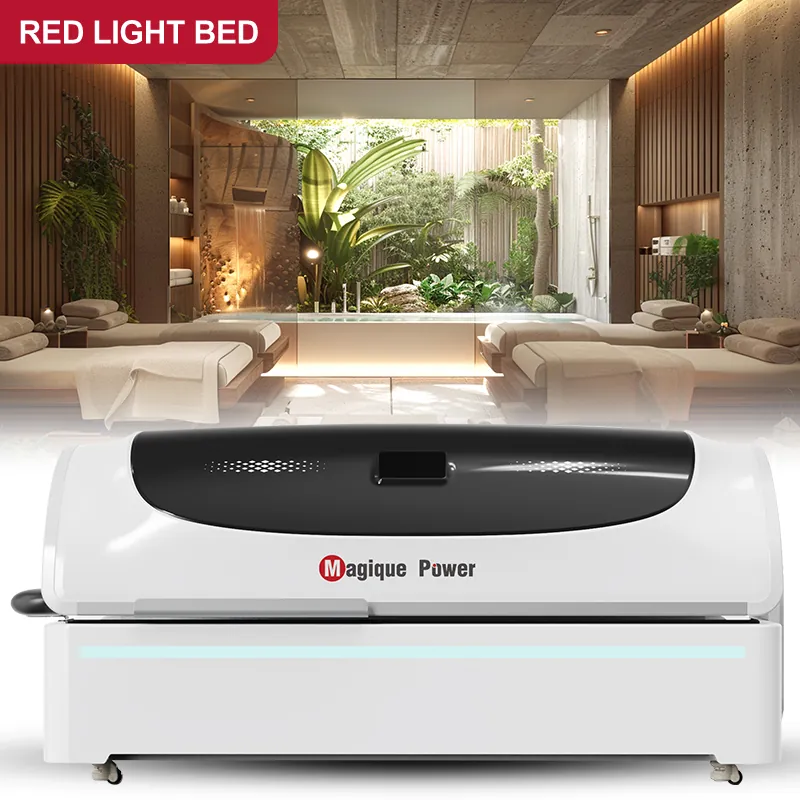
Where Red Light Pods (and Infrared Beds) Fall Short
red light pod systems look great in photos, but I’ve seen a few repeats of the same problems up close. Direct: many units advertise power and spectrum but skip details that matter — irradiance at skin level, uniformity of the LED array, and how thermal sensors manage heat. Without that data, a session can feel helpful yet deliver inconsistent results. Look, it’s simpler than you think: if the beam intensity drops across the surface, some muscles get the dose they need while others get… well, nothing.
From a user’s side, the pain points are subtle but real. People expect quick wins and then blame the technology when progress stalls. I’ve talked to athletes who complain about session length, unclear dosing (joules/cm²), and devices that run hot because power converters aren’t optimized. Those are engineering and UX failures combined — not a therapy failure per se, but close enough to feel disappointing. And yes — I’ve noticed the same brands keep recycling buzzwords without answering basic technical questions. That’s frustrating.
Why should you care?
Because these design and data gaps change outcomes. If you want steady gains, you need consistent irradiance, verified wavelengths, and reliable thermal control. Otherwise you’re guessing — and that rarely leads to peak performance.
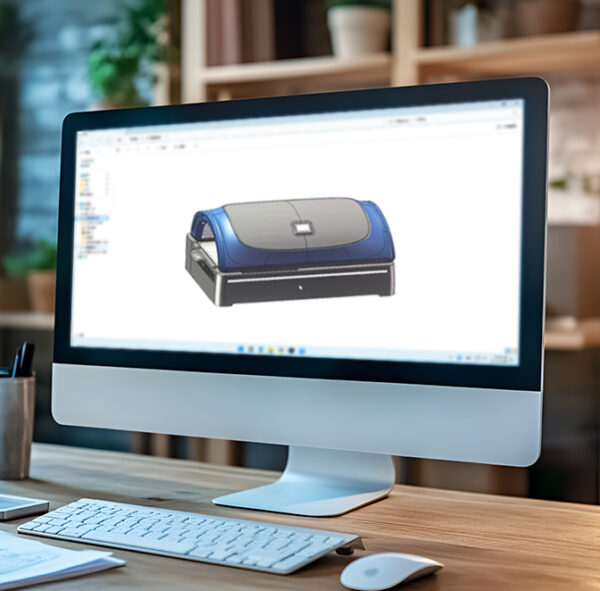
Future Moves: New Tech Principles and What to Watch For
What’s next feels promising. Manufacturers are moving from slabby LED panels to smarter systems that combine refined LED arrays, embedded thermal sensors, and feedback loops that adjust output in real time. When a red light pod can report actual dose delivered (not just runtime), we get closer to clinical-grade photobiomodulation at home or in a clinic. I find that exciting — it’s not magic, it’s measurement and control. — funny how that works, right?
In practice, anticipate better software dashboards, clearer dose labels (joules and irradiance), and modest integration of edge computing nodes to manage sessions across units. That will let coaches and clinicians compare outcomes with real numbers, not gut feel. For end users, it means fewer wasted sessions and less guessing. I predict a steady shift from hype to accountability, and that will help the serious athletes and casual users alike.
What to watch for
As you evaluate options, keep these three metrics front and center: delivered irradiance at the skin, wavelength accuracy across the LED array, and thermal management efficiency. I use those criteria when I test devices, and they separate the useful from the pretty. Pick a unit that publishes those numbers, and you’ll thank yourself later.
To wrap up: I’ve learned to be skeptical of glossy claims and to favor devices that share hard data. If you look for proven irradiance, controlled wavelength output, and smart thermal regulation, you’ll avoid the common traps and get better results faster — measurable gains, not wishful thinking. For further practical gear choices and reliable products, I recommend checking reputable suppliers like Magique Power.