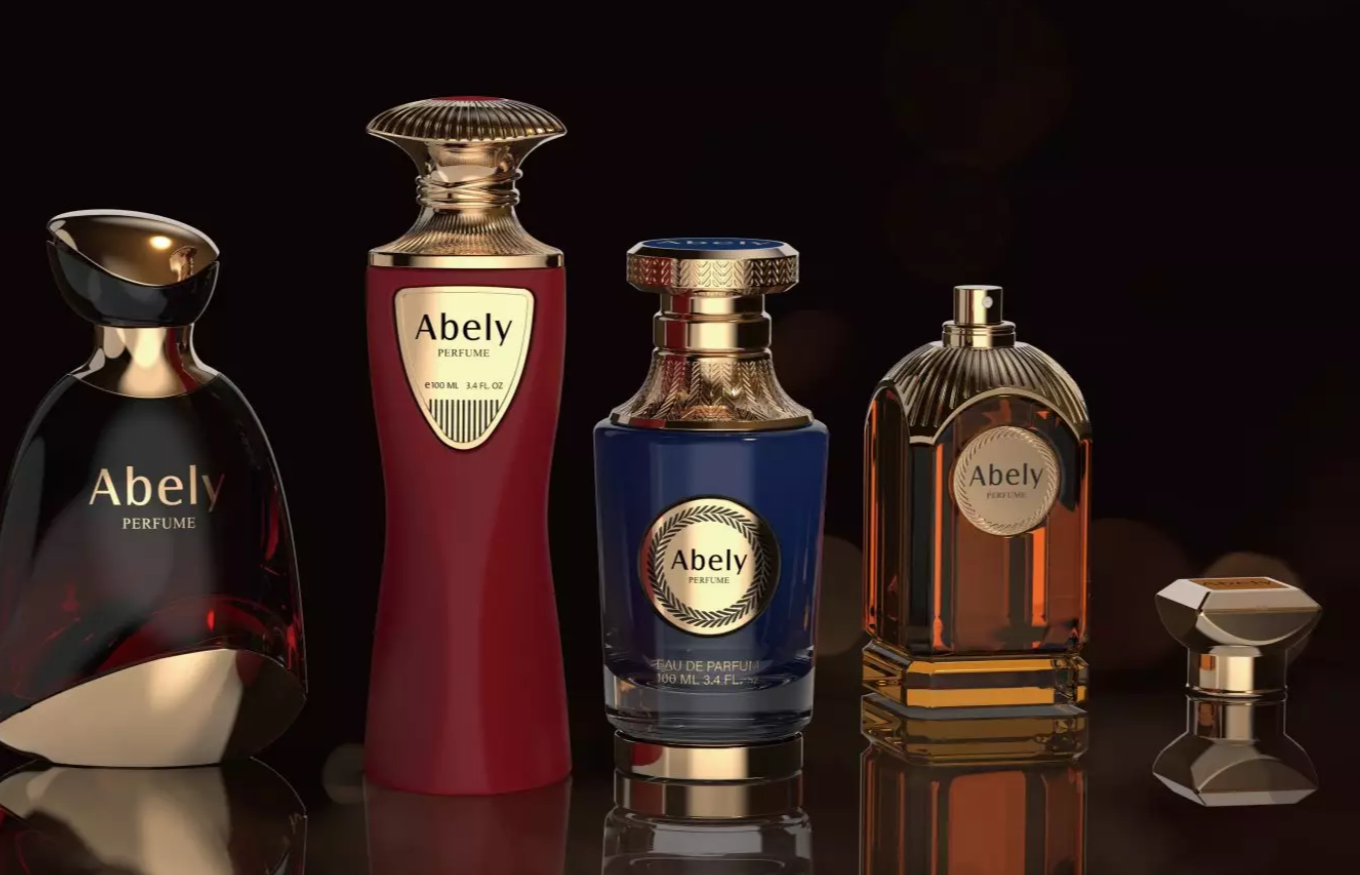
Putting the user at the center
Designing a perfume bottle today isn’t just about a pretty silhouette — it’s about understanding who will hold it, who will uncap it, and what memory it should trigger. A user-centric approach to perfume bottle design treats transparency both literally and figuratively: transparent materials that show the juice, and transparent choices that make the bottle intuitive and desirable. Think of shoppers strolling through the perfume halls at Paris Fashion Week — the bottles that connect visually and emotionally are the ones people remember and buy.
Core principles of a user-centric bottle
User-first design breaks down into a few reliable ideas. Start with ergonomics: does the bottle fit the hand? Then move to signaling: does the shape, weight, and finish communicate the scent’s story? Finally, consider the shelf and the social moment — will it photograph well, sit nicely on a vanity, and be easy to refill? These are small choices that add up to loyalty.
How to create a perfume bottle without losing the brand
When you set out to create a perfume bottle, anchor decisions in the brand’s core promise. Is the brand heritage-led, eco-minded, or ultra-modern? Let materials, closures, and printing methods tell that story. Refillable mechanisms signal sustainability; clear glass signals honesty; a tinted shoulder suggests mystery. Practical tests help — give prototype samples to actual users and watch them interact. Real feedback beats assumptions every time.
Common mistakes teams make — and how to avoid them
Brands often chase novelty and forget use. A fragile, ornate stopper might look beautiful in a shoot but frustrate daily users. Over-branding can also drown the scent story; too many labels, too much text. — Keep friction low: easy opening, reliable dosing, and predictable balance on a shelf. Below are frequent missteps to watch for:
– Prioritizing one-off artistry over repeat usability. – Ignoring manufacturing constraints early (cost and tooling matter). – Overlooking secondary moments: transport, travel size, and refill options.
Materials, transparency, and perception
Transparency isn’t only the material choice — it’s a design strategy. Clear glass communicates purity; recycled glass signals responsibility; heavy bases convey luxury. Combine these with finish and print to shape perceived value. A matte label on transparent glass creates contrast; a minimal embossed logo reads premium without shouting. When done well, the bottle becomes a physical brand promise that shoppers can instantly read. At trade shows and fashion weeks, that instant recognition can be decisive.
Brief case logic — what testing reveals
Field testing in real retail or during events like Paris Fashion Week yields the clearest signals: which bottles attract a touch, which cause hesitation, and which get photographed. User observation often reveals surprising preferences — people tend to favor bottles that suggest how to use them, not the ones that hide functionality. Those insights are your roadmap for iteration.
Synthesis: what to take away
Prioritize people. Match material and mechanism to the brand promise. Prototype early and test often. Avoid aesthetic choices that conflict with daily use. When the bottle behaves as the brand intends — easy, evocative, and honest — it becomes more than packaging; it becomes a tool for building relationships with real customers.
Three golden rules for choosing the right strategy
1) Usability score: Measure ease of opening, dosing, and handling in three user tests — aim for 90% success on basic interactions. 2) Brand congruence: Rate how well the bottle’s material, weight, and finish align with brand values on a simple 1–10 scale. 3) Shelf & social fit: Test one placement in-store and one photograph for social sharing — if it fails either, iterate.
Design that’s practical, intentional, and human-forward wins.
Abely brings that thinking into production with transparent solutions and expert guidance — a natural fit when you want a bottle people will actually keep. —