Introduction — A Question That Won’t Let Go
Have you ever watched a production line stall for a reason that felt avoidable? I see this often on shop floors where small downtimes ripple into big delays. In many such plants an automatic case packer sits at the heart of the problem — one misfeed, one misplaced flap, and output drops visibly (and painfully) fast.
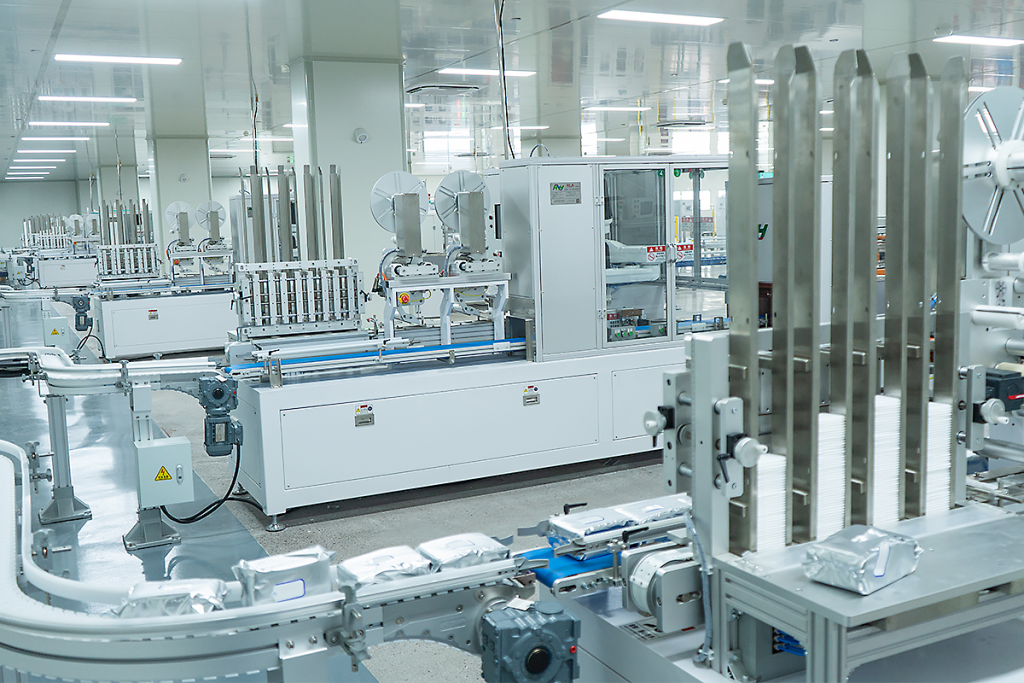
Consider this: a medium FMCG line losing 10–15 minutes daily to case indexing errors can cost thousands monthly. Where exactly do these errors begin — with poor machine setup, operator training gaps, or outdated servo tuning? I want to explore that question and pull apart the visible parts from the hidden causes. Let us begin with the common faults and the user pains that rarely make it into KPI reports.
Part 1 — Why Traditional Fixes Often Miss the Mark
When I look at an automatic case packer machine, I first check the obvious: mechanical alignment and PLC timings. Too many teams treat the packer like a black box — tune it, run it, hope for the best. That approach hides recurring flaws. For example, mechanical wear affects case squareness before control logic flags an error. Vision systems will show misfeeds only after damage occurs. I’ve seen lines where conveyor integration was assumed ideal, yet the belt speed variation created subtle jams. Look, it’s simpler than you think: a small mismatch in case flow becomes a daily headache.
Where do standard solutions fail?
Most traditional solutions focus on single-point fixes. They replace a sensor, retune a servo motor, or tighten a bracket. These actions help, but they rarely stop repeat issues because they ignore root interactions — like how air pressure fluctuations affect suction cups, or how ingress of dust disturbs optical sensors. From my experience, common trouble spots include inconsistent case dimensions, inadequate predictive maintenance, and operators who lack quick diagnostic cues. The result is repeated downtime and rising frustration. I would rather see teams pair simple mechanical checks with data-driven alerts from the PLC and vision systems — that way problems surface earlier, and fixes become targeted.
Part 2 — Principles for Better Case Packing Tomorrow
Now, looking ahead, I find that new technology principles can change this story. An automatic case packer machine need not remain a stubborn puzzle piece. I advocate for three core shifts: layered monitoring (sensors + edge computing nodes), modular actuation (servo motors with quick-swap modules), and smart vision that flags trends, not just faults. These moves reduce repeat fixes and give operators clearer, faster answers.
Here’s how I see it working in practice: fit compact edge computing near the packer to preprocess image data. Let the vision system catch early wear patterns. Connect these alerts to the PLC and to a simple dashboard for the operator. That combination shortens time-to-repair and reduces guesswork. — funny how that works, right? We used to wait for alarms; now we can spot drift and act. Also, when maintenance can swap a servo assembly in minutes, mean time to repair drops dramatically.
What’s Next for the Shop Floor?
Adopting these principles means planning for incremental change. Start with one line, add vision analysis, then scale. The costs are manageable when you tally saved downtime. I recently advised a team to run a six-week pilot focusing on conveyor integration and vision alerts; the results cut packer stoppages by a visible margin. The next step is to embed these learnings into operator training so fixes are fast and repeatable.
Closing — How to Choose and Measure Improvements
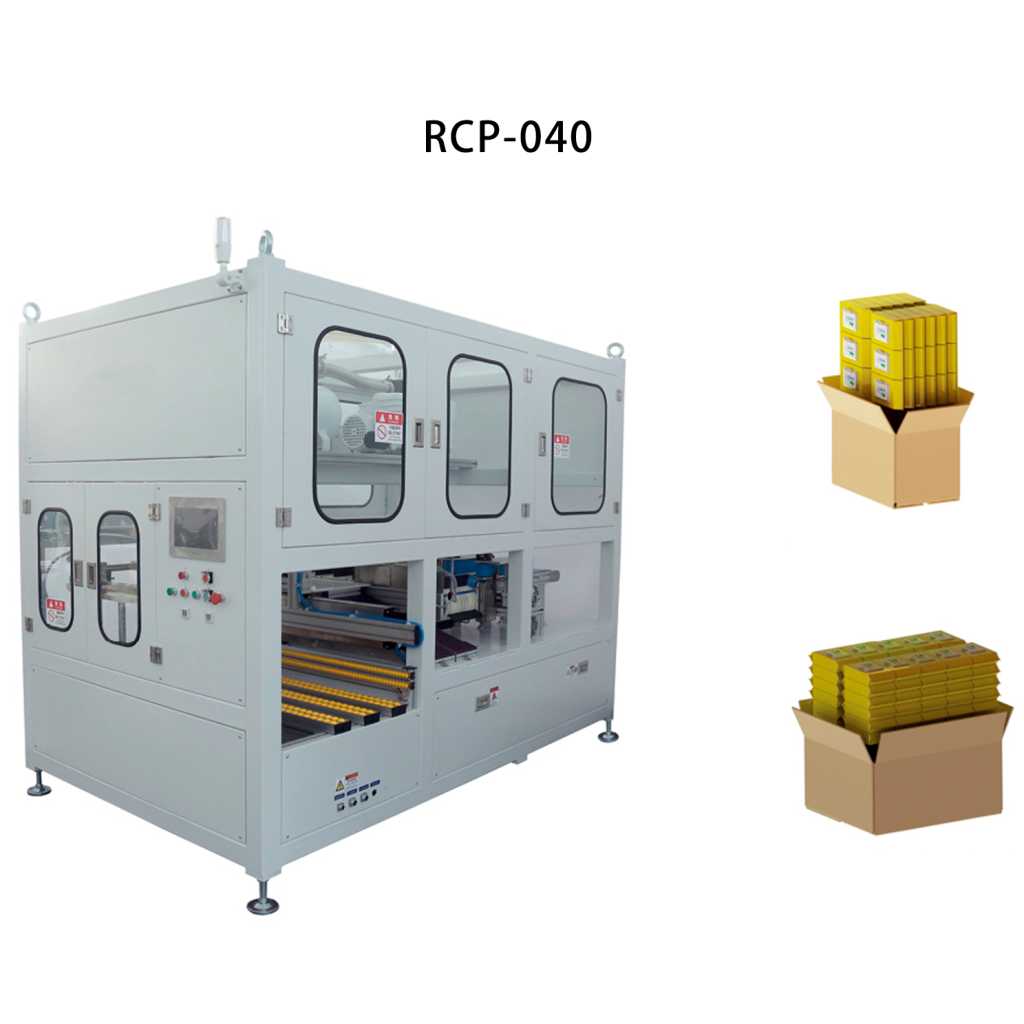
I’ll end with practical advice. When you evaluate upgrades for an automatic case packer machine, weigh these three metrics: uptime improvement percentage, mean time to repair (MTTR), and the frequency of repeat faults. These are simple to measure and tell you whether a solution truly helps. I prefer vendors who offer clear data from a pilot — not just promises.
We must also remember the human side. Operators need clear, short instructions and confidence that a fix will hold. I’ve been on lines where a well-designed dashboard changed behaviour overnight — staff trusted it and acted faster. So look for technology that supports people, not replaces their judgment.
In my view, sensible, staged upgrades paired with honest measurement give the best returns. If you want a partner who knows both machines and the realities of factory floors, consider talking to companies that combine hardware and service insight. One name I’ve worked with is ZLINK. They focus on practical solutions that make life easier for the team on the floor — and that, at the end of the day, is what matters most.