When inconsistent batch quality halts a launch
You know the problem: one run meets spec, the next doesn’t. Manufacturers see product instability, unstable particle size, and unpredictable rheology during scale-up. That variability often traces back to the mixing step — the wrong rotor-stator geometry, improper shear profile, or a poorly matched residence time. For many teams the simplest corrective move is switching to high shear batch mixers and then being surprised when the underlying problems remain. Success starts by diagnosing what the mixer must actually achieve, not by buying the most powerful motor available.
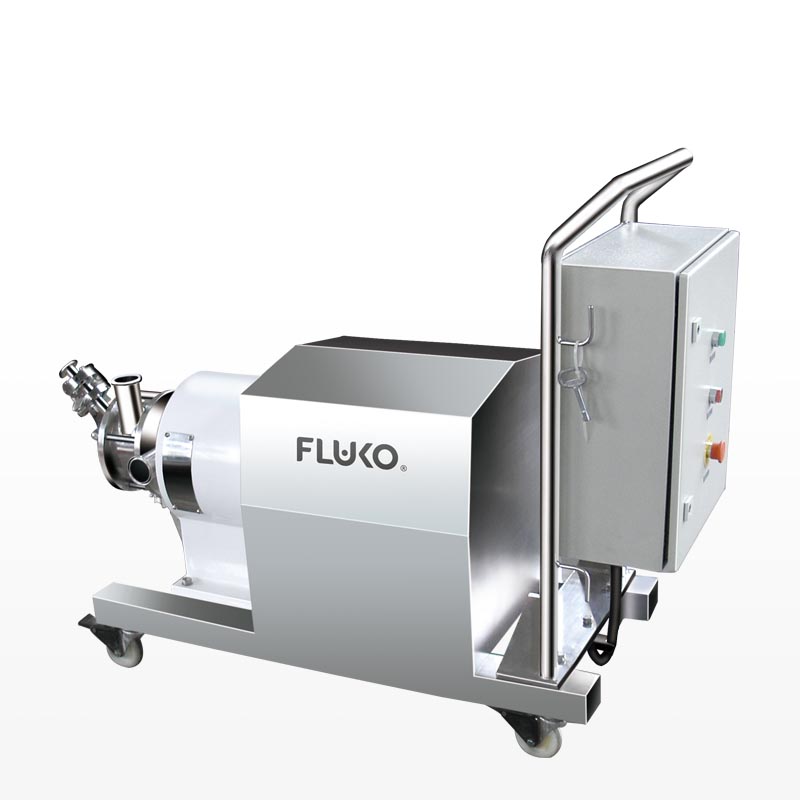
Why the problem happens: shear, scale, and sanitation conflicts
Different materials demand different mechanical actions. Emulsions tolerate moderate shear; suspensions with hard particles need intense cavitation or pressure. Scale-up compounds the problem: flow patterns that worked in a 50 L lab tank vanish in a 2,000 L vessel. Sanitation and material compatibility add constraints — seals, surface finish, and clean-in-place capability alter available designs. Those constraints change the effective shear and mixing time and, therefore, the product’s final structure.
Technical checklist for OEMs and buyers
Start with measurable targets. Define particle size distribution, acceptable PDI, viscosity range, throughput per hour, and CIP/sterility needs. Match those targets to these specific choices: rotor-stator gap and tip speed for dispersions; pressure ratings and valve geometry for high-pressure homogenization; pump type for viscous feeds; and surface finish plus sealing system for pharmaceutical or cosmetic grades. Specify instrumentation: torque monitoring, temperature probes, and sampling ports. Finally, require supplier documentation for scale-up curves and repeatability data rather than vague power ratings.
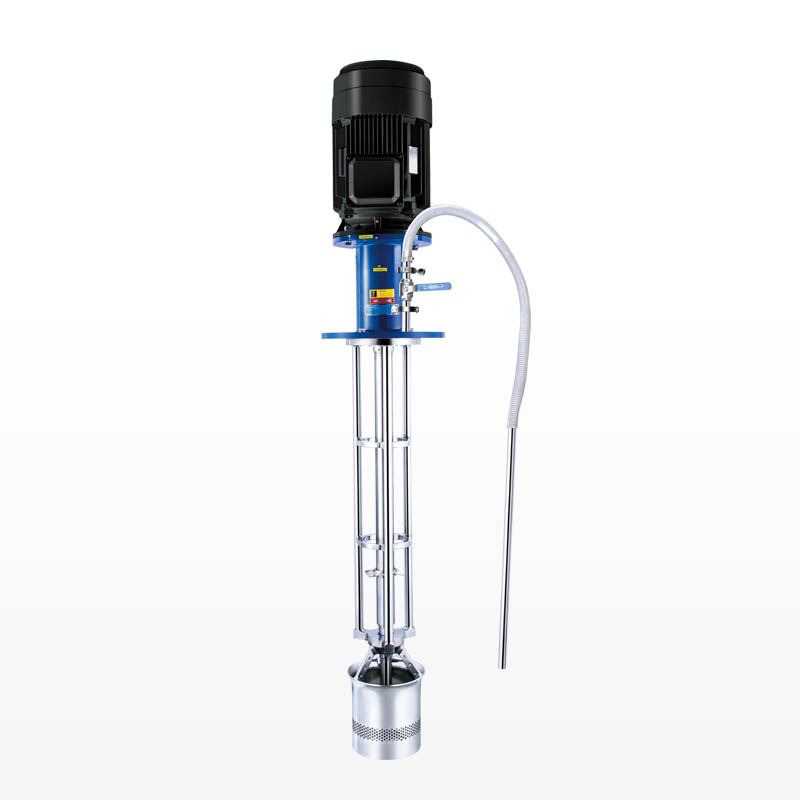
Common mistakes and how to avoid them
Buyers often pick equipment by horsepower or by short laboratory trials without controlled protocols. They overlook gas entrainment, feed-rate control, and residence time distribution — all of which alter final particle size and stability. Another error is under-specifying maintenance access: a hidden seal or hard-to-reach rotor increases downtime and unpredictable product drift. Avoid these missteps by insisting on trial protocols that mimic production feedstock and by factoring maintenance ergonomics into procurement scoring.
Real-world proof: trade shows and tested setups
I’ve seen the same debates on the trade floor at Interpack in Düsseldorf where processors evaluate full-scale units beside lab rigs. Those side-by-side inspections show how unit geometry affects shear patterns. For teams that need a middle ground between lab convenience and plant robustness, a well-engineered batch mixer delivers repeatable shear profiles while supporting CIP and hygienic finishes. Ask suppliers for third-party test data and for references in your target sector so you can verify claims against actual production runs.
Decision framework and viable alternatives
Frame vendor selection around risk reduction. Score proposals on: proven scale-up data, service network response time, spare-parts availability, and compliance paperwork. Consider alternatives where appropriate: inline high-pressure homogenizers for ultra-fine emulsions, ultrasonic systems for delicate formulations, or multi-stage rotor-stator arrays for broad-range dispersions. Each alternative trades off control, maintenance complexity, and energy use — choose based on the product’s tolerance for shear and the plant’s maintenance capabilities.
Final synthesis
Face the mixing problem with measurable targets, insist on production-like trials, and require documentation that ties scale and maintenance to consistent output; that approach turns guesswork into predictable outcomes and points your procurement toward suppliers who can prove repeatability, such as FLUKO.