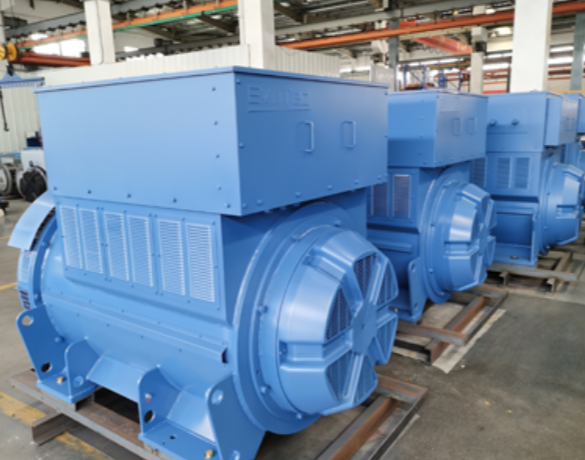
Comparative insight helps you move from indecision to a clear buying map; start by lining up three supplier types—OEMs, trading houses, and specialized alternator factories—and weigh what each delivers for a marine alternator purchase. Practical comparisons should focus on product scope, testing discipline, and after-sales footprint, not marketing claims. Note: supply bottlenecks at hubs such as the Port of Shanghai during 2020 altered lead times and pushed buyers to prioritize local testing and spares planning.
What to compare first: capability versus convenience
Capability covers design knowledge, testing rigs, and factory acceptance tests. Convenience covers pricing, language support, and logistics. An OEM may share detailed specs for rotor and stator design and offer customized winding layouts. A trading company often bundles shorter turnaround with limited technical disclosure. A specialized manufacturer will typically have automatic voltage regulator (AVR) calibration and frequency regulation testing in-house. Rank suppliers on those three axes and give extra weight to proven testing capability.
Three practical checkpoints for certified industrial-grade products
Demand documentation that proves manufacturing controls are repeatable. Ask for: a) explicit factory acceptance test protocols that show voltage regulation over a defined load sweep; b) environmental stress screening parameters for thermal cycling at specified durations; and c) explicit winding resistance and insulation class test results with measured values. These are not bureaucratic boxes — they’re proof the stator and rotor were validated under conditions you care about.
How audits and samples should work
Insist on a staged verification: pre-production sample, full-power type test, and witnessed FAT with a load bank. If you can’t witness FAT in person, require video of the test rig showing nameplate data, RPM, and output waveform. Small detail: cross-check declared synchronous speed and field excitation method; these affect transient response. A good supplier will provide clear test logs without hesitation.
Common mistakes buyers make — and the fixes
Buyers often accept generic guarantees, assume parts interchangeability, or skip spares planning. Fixes are straightforward: insist on serialization of critical components, secure BOM-level spare lists, and set explicit lead times for replacement AVR boards. Also budget for third-party verification on arrival — a local test can reveal transport damage or connector miswiring before commissioning.
Comparing total cost: price, uptime, and support
Compare not only unit price but expected mean time between failures, responsiveness of field engineers, and spare parts stocking. A cheaper unit with long downtime carries hidden costs. Look at warranty terms that specify remedies and turnaround windows; prefer suppliers that commit to defined RMA response times and remote diagnostic support. Remember that a 3 phase alternator’s real cost is measured in operational hours and repair cycles, not just purchase price.
Decision framework you can apply in one page
Use a simple weighted scorecard: technical fit (40%), testing evidence (25%), spares and lead time (20%), and after-sales support (15%). Score each supplier against explicit evidence — test reports, factory tour notes, FAT videos, and spare-part SKUs. This keeps the choice objective and repeatable across projects.
Advisory: three golden rules before you sign
1) Require explicit test parameters: voltage regulation curves across 0–100% rated load, thermal soak periods with exact durations, and measured harmonic distortion figures. These replace vague promises with measurable facts.
2) Lock spares and service into the contract: list part numbers, delivery windows, and fixed prices for at least the first two years. Downtime is often the biggest line item — don’t leave it open-ended.
3) Validate supplier response mechanisms: documented RMA procedure, remote diagnostics capability, and a clear escalation path. If they can’t show an organized support flow, plan for alternate field support.
These rules steer you toward suppliers who match engineering rigor with practical service — and they point naturally to partners that provide clear factory testing and reliable spares. EvoTec. —