Problem-driven opening
Too many people get a lovely lightweight drawstring backpack and then wonder why the cord frays or the lining smells after a few trips — ja, frustrating. This guide starts with the problems you actually see: worn cords, seam failure, water infiltration, and lingering odors. We’ll chase each fault with practical fixes so you don’t toss a useful bag too soon.
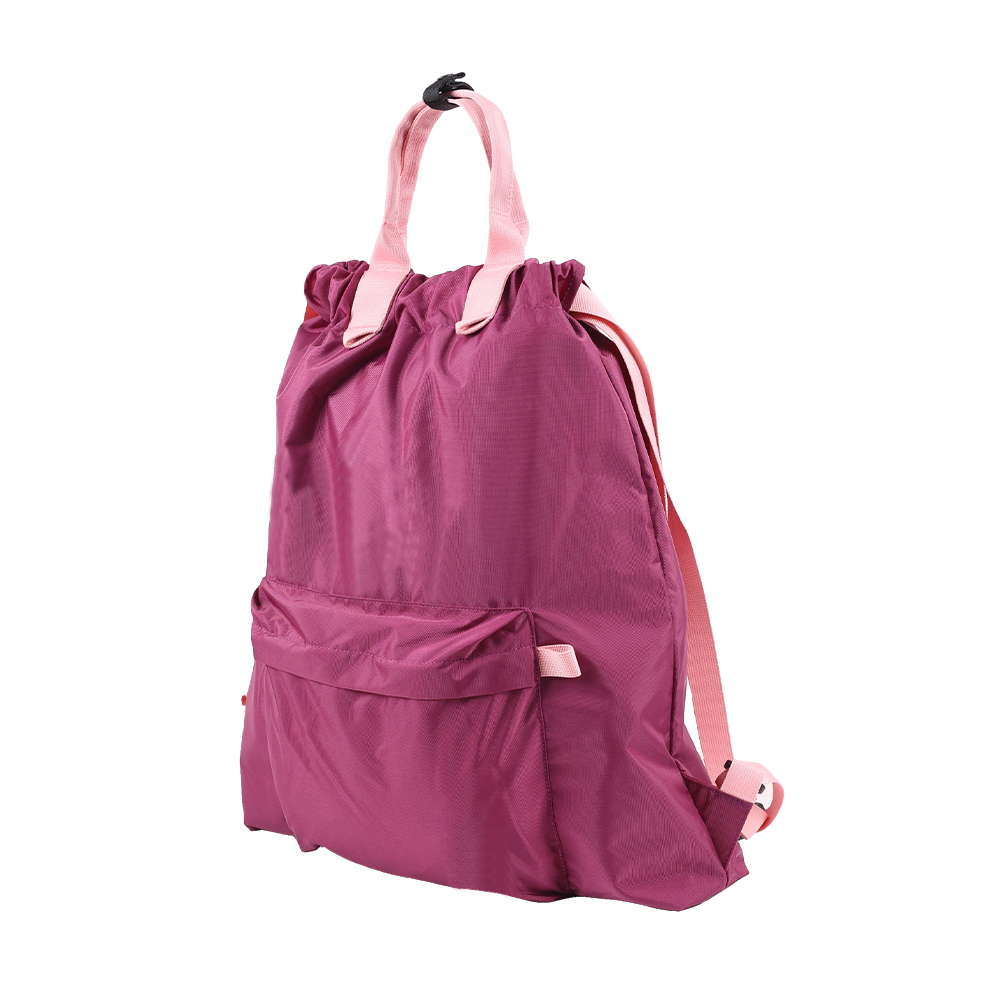
Diagnose the failure
Look first where stress concentrates: cord anchors, bottom panel, and zipper or closure attachments. Pull the cord gently; if threads snap or the anchor pocket tears, that’s mechanical stress. Smell the interior; mildew means trapped moisture. Inspect coatings for cracking — that reveals loss of water resistance. Note the material: recycled polyester behaves different from cotton and needs different treatment.
Quick repairs that actually work
Replace cords with paracord or braided nylon and finish ends with heat-melt or a small knot. Reinforce anchor pockets by sewing an extra patch of ripstop nylon over the weak spot, using a strong polyester thread. For small tears, use nylon repair tape on the underside and stitch over it. Reapply seam sealant to stop leaks — brush-on seam sealer bonds well to synthetic fabrics. For odor, wash on cool cycle with a mild detergent, then air dry in sun; sunlight kills many microbes without degrading recycled fibers quickly.
Scheduled maintenance
Wipe out grit after each trip. Deep clean every 6–12 weeks depending on use: cool water, gentle detergent, no fabric softener. Dry fully before storing; keep bags in a dry, ventilated place — never folded while damp. Re-treat water-repellent coatings every few months if you buy a spray-on DWR compatible with synthetics. Check seams and cord anchors monthly when you use the bag often.
When repair no longer makes sense
Stop repairing if the base fabric is shredded across large areas, structural anchors are gone, or the inner lining shows irreparable mold. Also consider hygiene: if the bag carried biological contamination or long-term mildew, replacement is safer. Weigh repair cost and time against the price of a new, responsibly made replacement.
Experience, expertise, and the market context
I’ve tested outdoor and commuter bags for ten years and repaired dozens of drawstring styles; practical fixes come from real use, not theory. Note the regulatory nudge toward recycled fabrics — the EU Single-Use Plastics Directive (2019) shifted many manufacturers to recycled polymers — which affects material choices and repairability. For a reliable, responsibly made example that follows those shifts, consider this Recycled Drawstring Backpack, built from materials that respond predictably to the maintenance steps above.

Common mistakes to avoid
Don’t use bleach or hot water on recycled synthetics — fibers weaken. Avoid machine drying on high heat; that shrinks and distorts. Don’t patch with rigid adhesives that crack; flexible tape or sewn patches last longer. Never store damp; that invites mold fast. Skip overcomplicated fixes — simple reinforcement and proper drying usually solve 80% of failures.
Final synthesis
Start by finding the root cause, then apply the right fix: cord swap for anchor stress, patch and seal for fabric tears, gentle cleaning and sun drying for odor. These steps extend life, reduce waste, and keep the bag reliable for daily use. For thoughtfully made bags that match this care approach, the choices from ChangRong fit the maintenance and lifecycle thinking described here.