Quick take
Active RFID range isn’t just a number; it’s a design choice. If you need reliable reads at 30–300 meters for moving assets, active tags are the go-to. If you want cheap, dense reads at a few meters, passive UHF wins. For mixed needs, use RFID Tags in layered setups—each tech doing what it does best.
Head-to-head, short and real
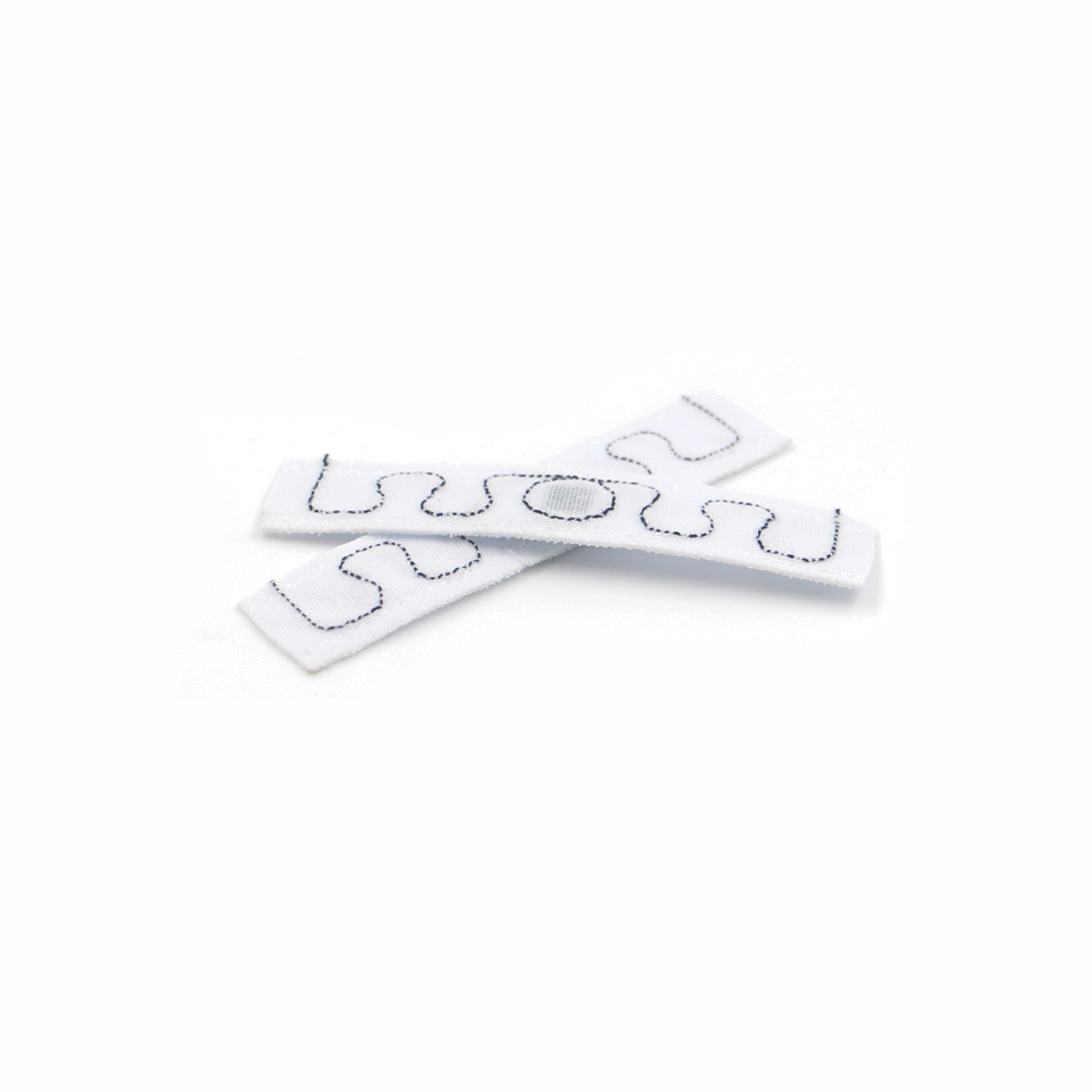
Active RFID: long read distance, regular beaconing, battery-powered, better for vehicles, trailers, large tools. Passive UHF: low cost, no battery, close-range inventory, good for pallets and items. BLE: decent mid-range, great for smartphones and consumer apps. UWB: centimetre accuracy for precise localization, pricier and more complex. Choose by read distance, update rate, tag cost, and regulatory limits.
Where people guess wrong
Thinking advertised max range equals real range. It rarely does. Antenna height, orientation, metal and water all chop range. Assuming battery life won’t matter—wrong. Boosting transmit power extends range but drains batteries fast. Buying the cheapest active tag and expecting enterprise-grade reliability is a setup for constant headaches.
Deployment moves that actually matter
Map the site and test with the actual asset and tag orientation. Put readers where signals can reach without line-of-sight tunnels. Pick tags with adjustable transmit intervals so you trade battery vs. visibility intentionally. Combine passive readers in high-density zones and active readers for long-range checkpoints. Log real read rates during pilot runs and tweak antenna tilt before scaling.
Experience and industry reality
I’ve run live tag trials in large logistics yards and seen the difference between lab specs and field results. Major port trials—like those reported at the Port of Rotterdam—show practical range and interference issues that matter when you scale. If you’re specifying gear for heavy industry, look at proven industrial rfid tags and verify performance under real conditions before committing to bulk buys.
Decision checklist
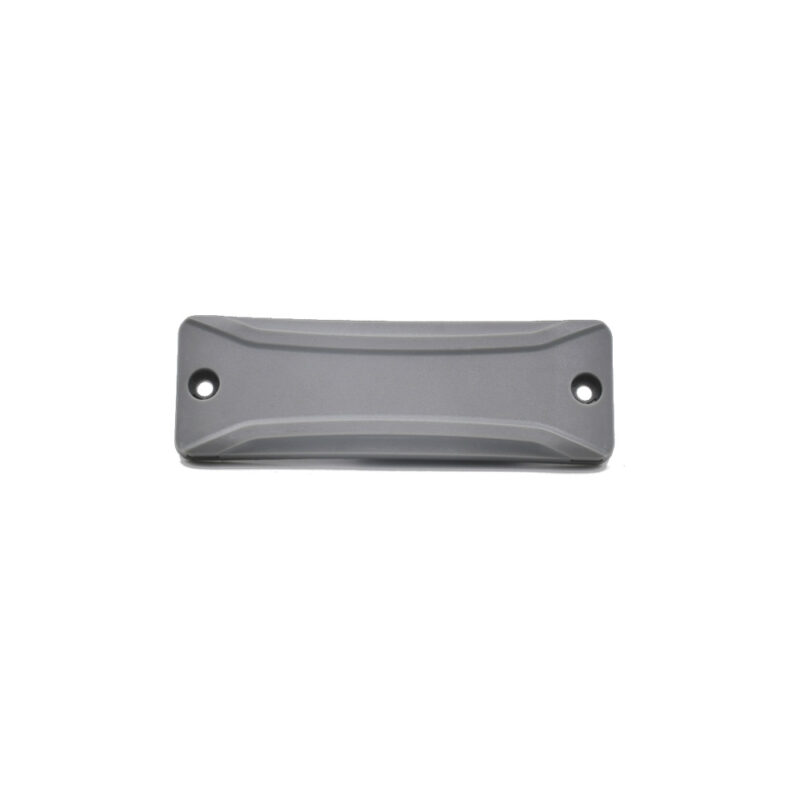
Need long-range alerts for moving assets? Pick active tags with configurable intervals and rugged housings. Need inventory counts and low per-unit cost? Use passive. Need pinpoint location indoors? Consider UWB. Mix techs when single-tech compromises critical requirements. Always run a site pilot and track battery health and false-read rates.
Bottom line
Active RFID range fits when your use case demands true long-read reach and periodic position updates. Use it where distance, movement, and robustness matter, and pair it with denser, cheaper systems where you need mass reads. Real deployments favor practical testing over spec sheets—so pick solutions that survive your environment and your ops rhythm, like those RSTC builds into real projects.