Questions to Ask Before Specifying Sodium Ion Battery Technology: Without Assuming Every Model Is Alike
Project managers approaching sodium ion battery technology should begin with a decision record, not a general list of benefits. The first task is to define what the battery must do, where it will operate, and which evidence would be sufficient for a technical decision. A supplier page can describe a technology path or an application category, but that does not automatically establish suitability for every battery, installation, or duty cycle. The review is therefore less about choosing the most impressive description and more about asking precise questions at the right level.
Clarify the decision before comparing suppliers
Before requesting detailed proposals, write a short statement of the decision. It should identify the application, the operating pattern, the expected response, the interfaces with existing equipment, and the person responsible for each unresolved requirement. For example, a project involving standby power will raise different questions from one involving repeated high-current starting. A commercial or industrial buyer may also need to distinguish the battery itself from the charger, monitoring system, enclosure, controls, and installation.
This prevents a common review error: treating a technology description as a complete specification. A page may identify UPS, diesel generator sets, energy storage, marine, and low-speed electric vehicle applications as areas for sodium-ion technology. That is useful for defining the supplier’s stated scope, but it is not evidence that one model covers all those uses. The practical question is: which exact application, operating conditions, and system boundary does the proposed battery address?
- Application: What equipment will the battery support, and is the use continuous, standby, starting, or cyclic?
- Duty: What current, duration, frequency, depth of discharge, and recovery pattern should the review examine?
- Environment: Which temperature, ventilation, mounting, ingress, and access conditions matter to the installation?
- Interface: What must be compatible with the charger, control system, protection equipment, and maintenance process?
- Decision owner: Who will confirm the electrical, mechanical, operational, and procurement requirements?
These are planning questions rather than claims about a particular supplier. Their value is that they turn broad marketing language into testable topics. They also make it easier to see when two products are being compared on different bases.
Build a concise comparison framework
A useful technical review separates three layers of information. The first is the chemistry or technology path. The second is the stated application. The third is the product-level information needed for procurement. Keep these layers in separate columns rather than combining them into a single score.
For the technology layer, record the terminology used by the supplier and the properties it associates with that technology. The cited page describes NFPP polyanion technology as a cathode framework with structural chemistry intended to support sodium-ion movement and limit volume expansion during cycling. It also describes a stable voltage platform and low-temperature kinetics for the NFPP cathode materials. These statements can inform questions about the technology, but they should not be converted into an assumed result for every product or installation.
For the application layer, ask whether the stated use resembles the project’s actual duty. The same page presents sodium-ion batteries across several categories, including UPS, diesel generator sets, energy storage, marine, and low-speed electric vehicles. A comparison table should therefore include the specific category being considered, the evidence that relates to it, and any requirements that remain outside the stated scope.
For the product layer, request only information that is needed for the decision. Depending on the project, that may include nominal voltage, usable energy, continuous and peak current, charge limits, temperature range, dimensions, mass, terminals, controls, protection, maintenance requirements, and integration responsibilities. These are sensible procurement fields, not assumptions that a particular product has a given value. Keeping the fields visible helps prevent a broad technology claim from filling an evidence gap.
Use a real-world anchor without overextending it
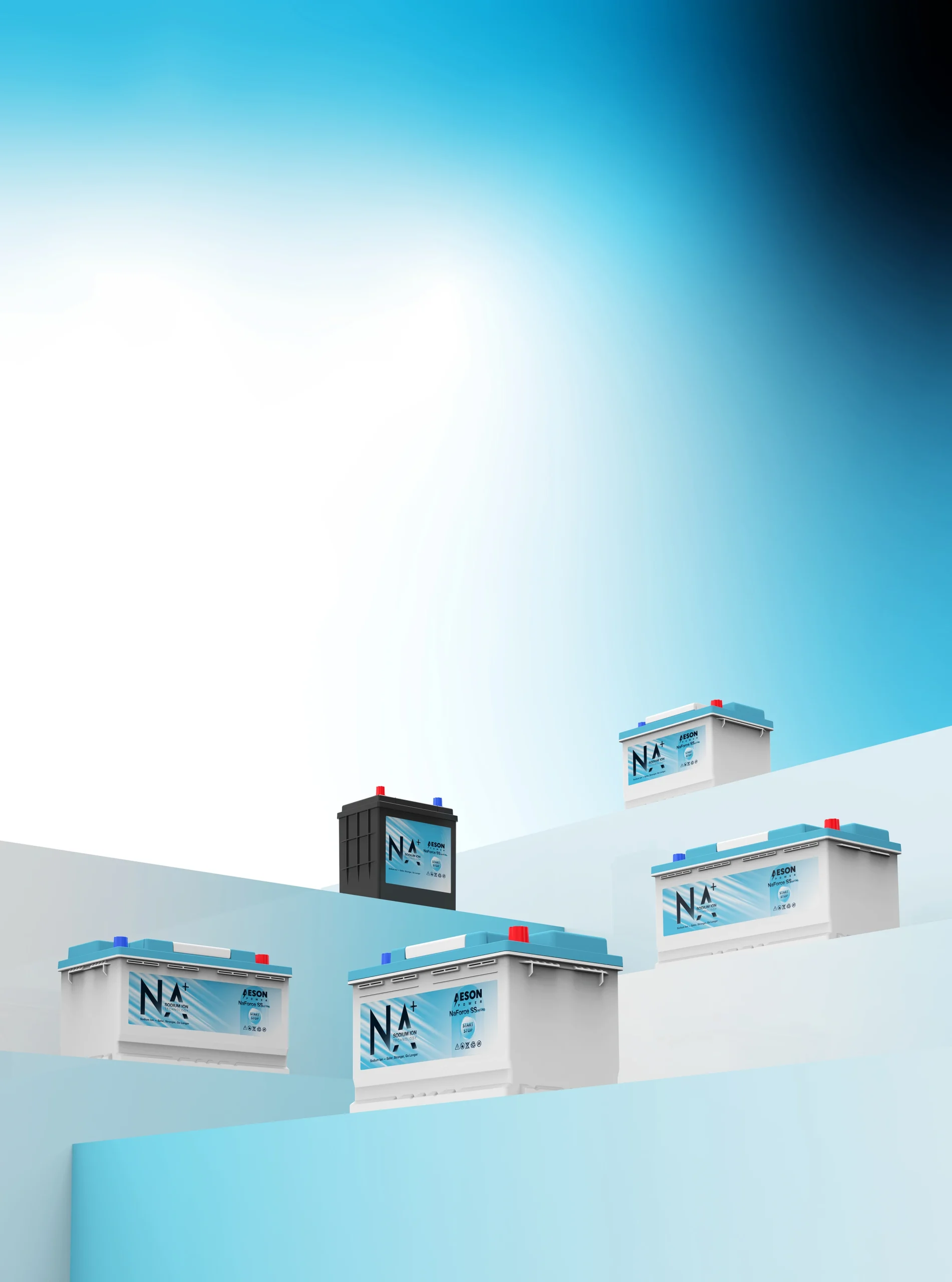
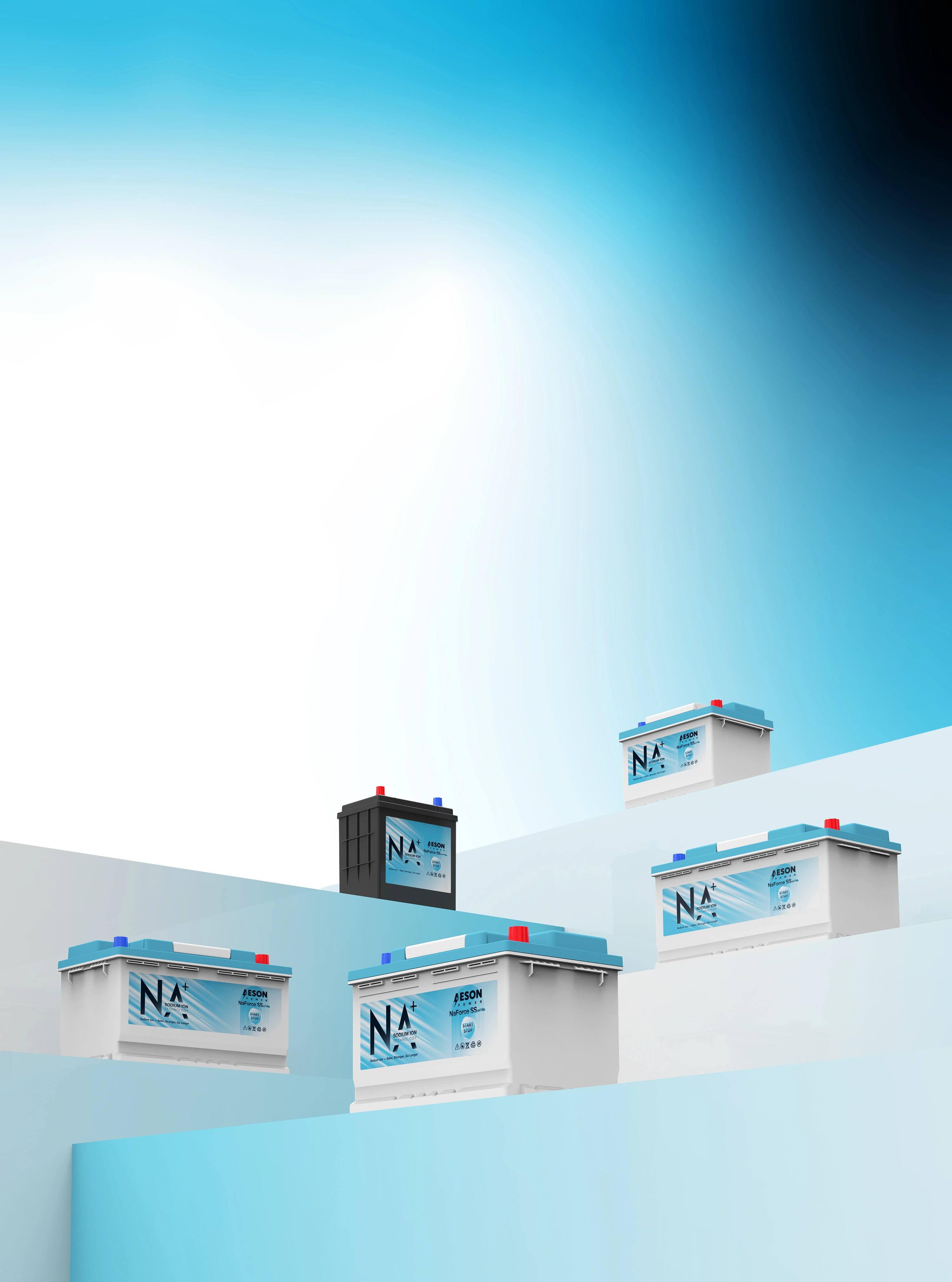
A useful real-world anchor for sodium ion battery technology is the official page’s “Vehicle Starter Batteries” application. It states that polyanion cathodes are well suited to automotive starting batteries and associates their robust crystal structure and thermal resilience with demanding conditions. It also describes high power density for cold starts and durability for frequent high-current cycling in starting and start-stop applications. The boundary matters: this passage applies to the statement and product or application scope described on that page. It does not, by itself, establish performance or suitability for other products or applications.
That distinction should shape the supplier discussion. If the project concerns engine starting, the reviewer can ask how the proposed product relates to the stated starting-battery scope, what operating profile is assumed, and which information belongs to the specific model. If the project concerns reserve power or energy storage, the reviewer should not use the automotive example as a substitute for application-specific evidence. The anchor is valuable because it demonstrates how to read a concrete claim, not because it answers every procurement question.
Keep attractive claims in their proper category
Supplier pages may list advantages such as high- and low-temperature performance, extended battery life, high-rate discharge, fast charging, enhanced safety, environmental friendliness, lower cost, and abundant resources. Such statements can help build a question list. They should not automatically become project outcomes in a business case.
Translate each broad statement into a requirement and an evidence request. “Fast charging” might lead to questions about the charging profile, allowable current, controls, and heat management. “Extended battery life” might lead to questions about the assumed cycling pattern, end-of-life definition, and maintenance plan. “Enhanced safety” might lead to questions about protections, installation conditions, fault response, and the responsibilities of the supplier and integrator. This approach preserves the useful idea while avoiding a promise that the available page evidence does not establish.
The same discipline applies to chemistry labels. The page identifies a positive electrode as a polyanion compound and a negative electrode as hard carbon for a vehicle starting battery description. That information can clarify what is being discussed in that particular context. It should not be used to infer that every sodium-ion product has the same construction, electrical behaviour, controls, or service requirements.
Carry the requirements into procurement
End the technical review with a short procurement brief rather than a collection of unranked notes. State the intended application, the operating profile, the measurable requirements, the required interfaces, the evidence supplied for each requirement, and the questions that must be answered before selection. Mark whether each item is a firm requirement, a preference, a supplier statement, or an unresolved project assumption.
This record also creates a clearer basis for comparing responses. A supplier can be asked to identify the exact product and scope covered by each claim, while the project team can distinguish an application description from a verified product specification. If the requirements change, the team can see which parts of the comparison must be revisited instead of assuming that a general technology conclusion still applies.
A careful review does not reject sodium-ion technology because evidence is page-specific; it uses that boundary to make the next question more precise. Define the duty, separate technology from product scope, use real-world examples only within their stated limits, and carry unresolved requirements into procurement. That is a practical way for project managers to assess information presented by AesonPower without assuming every model is alike.