Start with the problem, not the brochure
Parts sticking, noisy hinges, and greasy overspray — sound familiar? Most teams buy whatever tin looks cheap and then curse months later when production slows or customers complain. You want a manufacturer who solves those specific issues, not one who dazzles you with jargon. If paint finish or coverage has ever been an issue on shared equipment, this short read will point you to the right questions and away from wasted orders. For quick hands-on fixes when paint goes pear-shaped, here’s a practical walk-through on how to fix uneven paint.

Why the wrong aerosol becomes a recurring problem
Bad aerosol lubricants cause three clear failures: clogging/nozzle issues, inconsistent lubrication leading to wear, and unwanted chemical reactions with seals or paints. Those failures show up as downtime, warranty claims and, frankly, pissed-off operators. Treat the purchase like selecting a component supplier — test batches, insist on specification sheets, and measure real-world performance instead of trusting marketing copy.
Concrete specs to demand from any manufacturer
Ask for these facts and test them: solvent base and compatibility with your materials; viscosity and how it behaves at operating temperatures; spray droplet size and nozzle design; corrosion inhibitors and their concentrations; VOC levels to meet regional rules; shelf life and batch traceability. Also verify lab testing standards — are they doing salt-spray, adhesion, and thermal cycling? If a supplier can’t show batch certificates and independent test data, walk away.
Real-world checks, with one short field lesson
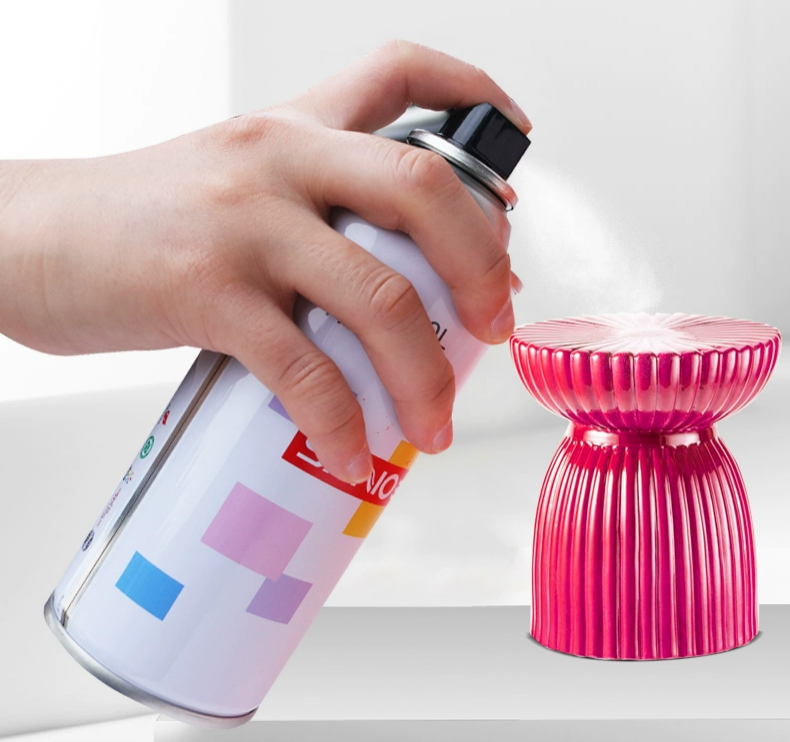
Hands-on experience beats glossy claims. From time spent at Melbourne auto-body workshops you pick up a simple truth: surface prep and spray technique matter as much as the can. That lesson ties directly into practical resources on how to make spray paint look smooth — proper thinning, spraying distance and overlap stop problems at the source and make lubricant sprays behave predictably when paint or coatings are involved.
Common mistakes teams keep repeating
They buy on price, ignore nozzle and can rheology, skip compatibility tests, and accept one-off samples without in-line trials. Don’t let a slick salesperson convince you that “it’ll work” — insist on a pilot run and measure torque, wear, residue and visual finish. Track results for a few weeks; manufacturing problems rarely hide that long.
Quick comparisons: in-house blend vs specialist vs big-brand
In-house: full control, but needs lab and quality discipline. Specialist smaller firms: flexible formulations and quicker iteration, but vet their traceability. Big-brand manufacturers: consistent supply and compliance, sometimes less nimble on bespoke tweaks. Choose based on your tolerance for risk, testing capability, and how critical the lubricant is to product function.
Decision checklist you can use right now
Run a pilot: sample, test under load, inspect for residue and paint interaction. Confirm safety data sheets and VOC compliance. Check that the supplier offers batch traceability and returns policy. Verify nozzle types and availability of technical support. If they pass these and your trial metrics improve, you’ve found a practical fit.
Wrap-up
Start by solving the immediate manufacturing headaches — clogs, wear, and finish problems — then pick a supplier who proves results on your line. Solid testing, transparent specs and real-world feedback from shops you trust beat glossy labels every time, and working with a partner like SANVO makes those practical, lab-backed steps much easier to repeat.