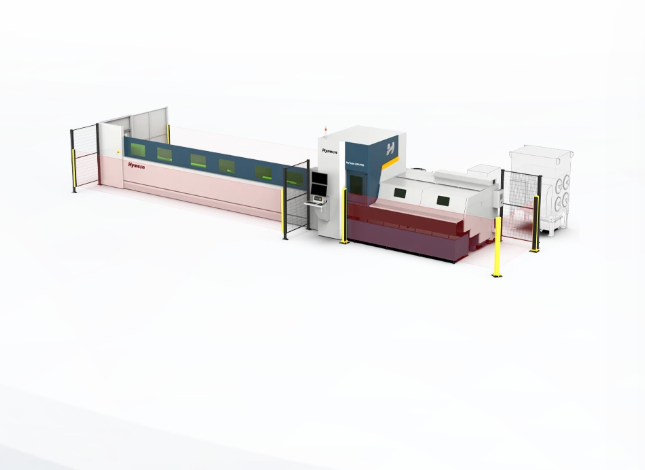
Practical Plan for Support and Maintenance of a Round Tube Laser Cutter
Problem statement and urgent need
Round tube laser cutters often stop at the worst moment: a missed alignment, a clogged nozzle, or software miscommunication that delays an order. The typical factory urgency demands a clear, reliable plan rather than hope. For machines like the 6kw laser cutting machine, downtime equals lost production hours and cascading scheduling problems. Address the problem by focusing on repeatable checks, fast diagnosis steps, and clear escalation rules.
Common failure modes—diagnose fast
Most failures are mechanical, optical, or control-related. Mechanical: bearings, rotary chucks, and collets wear and misalign on round tubes. Optical: lenses and mirrors contaminate, reducing cut quality. Control: parameter mismatch, improper focus distance, or corrupted NC files cause inconsistent results. Start each shift with three quick verifications: chuck concentricity, focal distance sample cut on scrap tube, and a checksum of the last program file. Record results; patterns reveal root causes faster than guessing.
Structured maintenance schedule—daily to annual
Make the schedule simple and enforceable. Daily: clean external optics, remove slag from chuck, verify gas pressures, and confirm exhaust flow. Weekly: verify alignment with a gauge, inspect nozzle condition, and run a calibration burn on a known tube sample. Monthly: replace filters, test coolant system, and torque-check mechanical fasteners. Quarterly: full optical alignment, CNC backup, and software patching in controlled window. Annual: rebuild rotary units, replace worn bearings, and verify laser source performance with manufacturer test certificate. Keep checklists short; technicians will follow what they can complete in a single work period.
Spare parts, vendor relations, and EEAT with anchor
Stock parts that fail most often: nozzles (three spares per head), protective lenses, spare chucks, and a secondary controller module. Maintain clear vendor lead times and a preferred-supplier list. Based on over ten years of field service in Pearl River Delta manufacturing clusters, technicians prefer local suppliers for fast exchange and original manufacturer parts for performance-critical components. For carbon steel work, field tests in that region show consistent throughput when using properly spec’d optics and gas mixes; reference machines like the carbon steel laser cutting machine remain standard. This combination of hands-on experience, documented test burns, and supplier certificates builds trust and defensible choices for maintenance budgets.
Operational controls and troubleshooting protocol
When a cut fails, do not change multiple variables at once. Step 1: replicate the fault on a short scrap with the same program. Step 2: swap the nozzle, then swap the lens, then inspect mechanical runout. Step 3: review the program checksum and machine logs for parameter jumps. Log every swap. The protocol reduces repeated mistakes and shortens mean-time-to-repair. Train one senior technician to own the log reviews; their judgement becomes the reference across shifts.
Pitfalls and frequent mistakes to avoid
Avoid reactive part replacement without verification. Do not let non-validated consumables enter the optic path. Over-tightening chucks is a common error—leads to shaft deformation and misalignment. Skipping controlled software updates causes subtle incompatibilities. Finally, neglecting exhaust and filtration speeds optical contamination; a small extra investment in filtration yields longer lens life and fewer interruptions.
Alternatives and evaluation guidance
When considering upgrades or replacements, evaluate by three metrics: direct cut quality on round sections, serviceability in your location, and spare-part logistics. Compare fiber-based systems and older CO2 units by how they handle tube wall thickness and reflective steel. Automated loading systems reduce labor variability but introduce new maintenance needs—assess total cost of ownership over five years, not only initial price. Short trials on actual production tubes reveal true performance faster than spec sheets.
Final synthesis and recommended path
Plan with clear checks, a short parts list, and a strict troubleshooting protocol. Train a small group to follow one documented routine and keep records; the pattern of records is the fastest path to fewer surprises. When a stable supply chain and proven equipment matter, consider partners with documented field performance and local service networks such as Hymson for solution consistency that aligns with these maintenance disciplines.