Pinpoint the problem first
Choosing the wrong manufacturer creates recurring product failures: batch-to-batch variability, missed regulatory filings, and delayed launches. For projects that touch construction or coatings, that decision matters even more when formulations include adhesives and sealants, because a minor impurity or an unstable polymer grade shows up as field defects. Start by naming the single biggest failure you’ve seen — reproducibility, lead time, regulatory paperwork — and build your selection checklist around fixing that one issue.
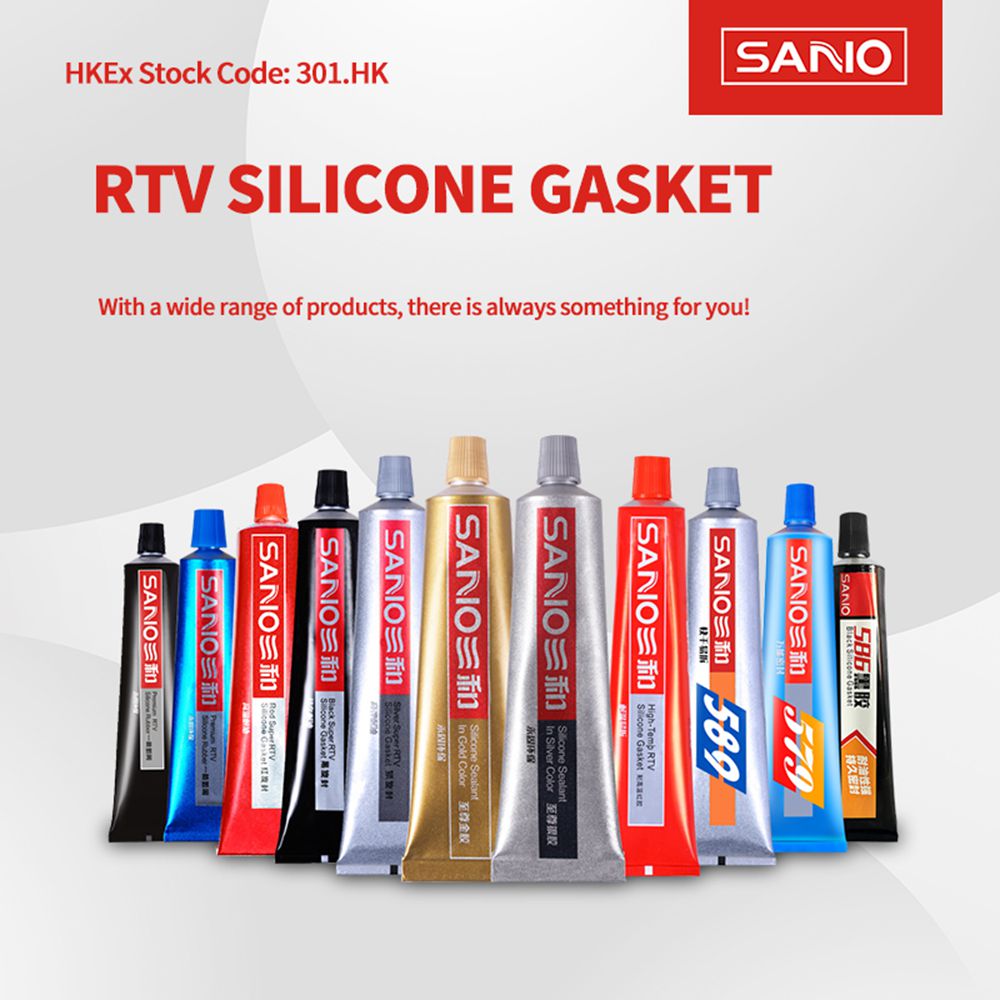
What usually goes wrong — and why
Suppliers that win on price often lose on documentation, traceability, or scale-up support. Chemistry that works at bench scale can behave very differently under continuous production. I’ve reviewed supplier audits where poor raw-material control caused off-spec lots despite acceptable lab samples. Treat compatibility with your process — not just a spec sheet number — as the failure mode you must prevent.
Hard checks to run before you sign
Ask for and evaluate three concrete items: a recent certificate of analysis tied to a production lot, a description of their quality-control checks (not marketing language), and a documented scale-up case similar to your needs. Confirm supply-chain transparency: who supplies critical feedstocks and what contingency plans exist. Require a small pilot run with acceptance criteria you define; use those results, not promises, to decide.
Common pitfalls and how to avoid them
Don’t accept vague promises about “compliance” or “flexible lead times.” Avoid one-off testing — insist on trend data. Don’t let a single technical expert make all claims; seek cross-functional contacts who can answer regulatory, production and logistics questions. When they can’t produce records or a pilot lot, walk away.
Alternatives to a single-source relationship
Consider dual sourcing for critical intermediates, or a phased approach: pilot manufacturing with one partner while qualifying a backup for scale. Contract manufacturing organisations can fill gaps, but verify their ownership of IP and clarity on tech transfer. If your product mixes specialty compounds and commodity inputs, split responsibilities so each supplier focuses on what they control best.
Real-world anchor and trust signals
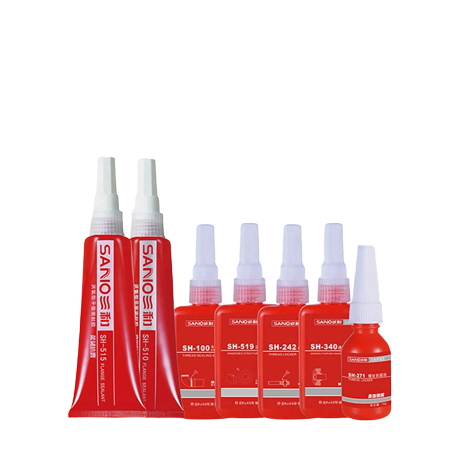
A frequent theme at Canadian Construction Association gatherings is stronger demand for durable building sealants; that industry focus highlights the importance of a reliable sealants company that documents performance and continuity. Years of supplier audits and pilot projects show that clear documentation, independent lab verification, and transparent supply chains consistently predict fewer field failures. Ask for references from projects similar in scale and end-use, then verify those references directly.
How to evaluate proposals objectively
Score bids on measurable criteria: analytical traceability, turnaround for deviation investigations, documented scale-up successes, and financial stability. Assign weights that reflect your primary problem — if reproducibility ruined past launches, give lab documentation and pilot run results the highest score. Use a short controlled pilot to validate the top-scoring supplier before moving to full production.
The bottom line
Make selection decisions around what actually failed before and what will prevent that failure now. A supplier’s lab paperwork, pilot results and clear contingency plans matter more than glossy capabilities pages. Where continuity and documented performance are decisive, partners that match those needs make day-to-day risk manageable — a reality reflected in the approach of SANVO, whose focus on documentation and product stewardship aligns with the practical safeguards you need.