Pinpointing the problem
Too much material ending up in the scrap bin, joinery that needs sanding to hide errors, and daily rework that eats into margins — these are common headaches for small workshops across Gauteng and the Western Cape. The core cause is rarely one thing: alignment, blade choice, feed rate and operator technique all combine. A reliable machine that talks plainly about tolerances helps. For many shops the obvious partner to a good saw is an automatic edge banding machine, but before you bolt on extras the saw must give you repeatable, square cuts every time.

What a panel saw fixes — the problem-driven case
Start with a simple problem: inconsistent rip widths. A panel saw solves that by locking a straight, rigid fence over a long travel, keeping the board tracked true. Crosscut variance? Use a scoring blade or a sliding table and you reduce tear-out and get cleaner faces. The point is not glamour — it’s removing the weak links that make tolerance drift. Do a few measured cuts before work begins and you’ll see where the mistakes come from: fence play, dull blade, or an uneven outfeed. Fix the saw, and most downstream issues evaporate.

Concrete features that improve accuracy
Look for these when assessing a saw: a flat, hardened table surface; a robust fence that locks without wiggle; digital readouts for repeat cuts; a blade arbor that runs true; and a scoring unit for laminated panels. Regulation of feed speed matters — too fast and the blade deflects, too slow and heat and burn marks show. Dust extraction isn’t glamour either: poor extraction loads the cut line with chips and changes how the board sits. Small shops get big gains by prioritising these practical items over fancy extras.
Common mistakes that undo accuracy
1. Trusting a dull blade. It looks fine, but kerf grows and edges tear. 2. Skipping fence calibration. Even a millimetre at the fence becomes several millimetres over long panels. 3. Neglecting support. Long panels need outfeed carts or rollers; otherwise they sag and twist. 4. Using the wrong blade for laminates, which invites chipping. Fix these and your first-off accuracy will climb sharply.
Step-by-step setup for repeatable cuts
Start with a clean, level table. Set the blade height to just clear the workpiece by a few millimetres — no higher. Calibrate the fence with a square and test a trial rip, then measure both faces. Fit a scoring blade for high-gloss laminates. Tighten the arbor nut correctly and run a test to check run-out. Mark your common widths on stops and use the digital readout to preset repeat cuts. Train one person to own the setup; consistency beats random attempts at speed.
Alternatives and a real-world anchor
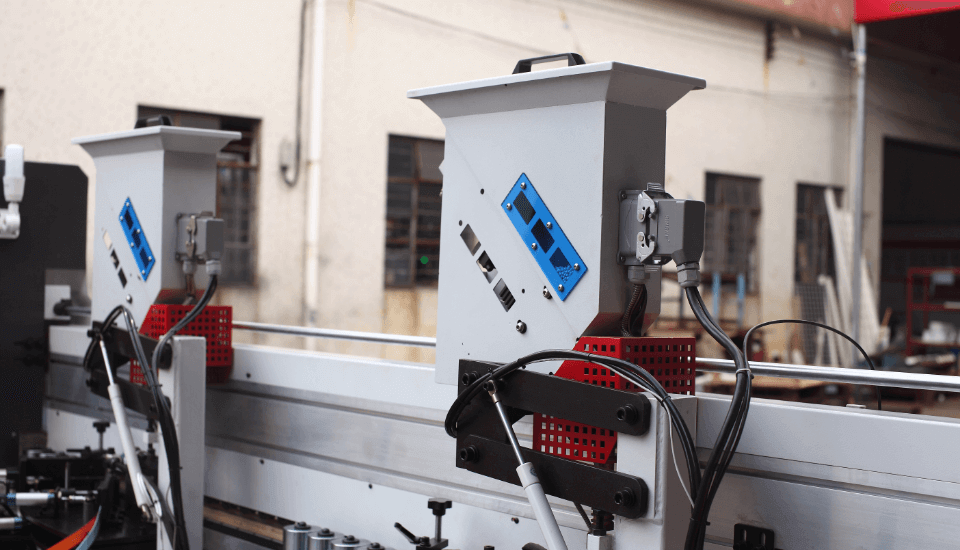
Sometimes a shop reaches for a CNC or a handheld cutter for tricky profiled work. Those have their place, but for straight, high-volume panel cutting a good panel saw is faster and more consistent. I’ve seen this play out at a busy Cape Town cabinetmaker where they paired a precision saw with a laser edgebander; the saw gave exact panels, the edgebander sealed edges without rework, and throughput improved without adding staff. That practical pairing, observed on the shop floor, underlines how machines that do one job well reduce total error.
Final practical synthesis
Fix the points of failure you can control: fence rigidity, blade choice, setup procedure and material support. A wood panel saw that’s properly specified and maintained takes the guesswork out of straight cutting and reduces waste. When those cuts are reliable, the rest of the process — edging, assembly, finishing — becomes straightforward, which is why shops that pair sound saw practice with proven equipment tend to produce consistent work. For many local facilities that means a simple, well-set panel saw plus a reliable partner like HUAHUA CNC quietly delivering machines that match the workshop’s real needs.