Problem statement: systemic exposure on multi-jurisdictional projects
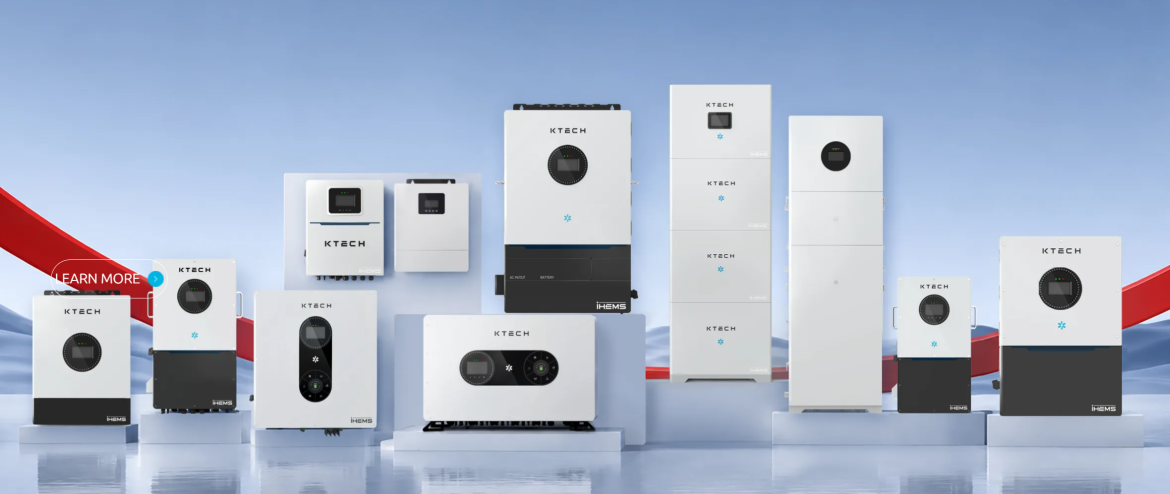
Projects that integrate utility-scale inverters with battery energy storage present discrete and recurring failure modes that translate directly into contractual risk; contracting teams and engineers routinely confront interoperability disputes, warranty gaps, and performance shortfalls. When a client elects to contract with a solar engineering company or an OEM, the problem often manifests as misaligned specifications, ambiguous acceptance criteria and inadequate fault escalation paths—issues I observed during technical sessions at Intersolar Europe. The vendor-side nomenclature and the purchaser-side legalese must be reconciled to prevent latent liability; for reference, consider how a supplier warranty scope can nullify a developer’s liquidated damages entitlement if acceptance tests are not unambiguously defined, and note that ktech ess frequently appears in engineering dossiers that emphasize measurable test protocols.
Root-cause analysis: technical defects that create legal exposure
Identify the causal chain before drafting remedies. Typical defect categories and their legal consequences include:- Control-system firmware incompatibility causing grid-code noncompliance, which triggers regulatory penalties and contract remedies;- Inverter thermal-design failure that produces premature degradation and supplier repudiation risks;- Unclear interfaces between inverter firmware and BMS (battery management system), producing assignment-of-blame disputes;- Inadequate factory acceptance testing (FAT) scope, leading to contested site acceptance and withheld payments.Each item maps to a specific contractual clause that must be negotiated: definitions of “substantial conformity,” acceptance-test protocols, and warranty commencement events.
Contractual mitigations and drafting priorities
Prioritize provisions that convert technical risk into manageable obligations:- Detailed technical annexes: incorporate explicit test vectors, pass/fail criteria, and firmware revision control processes;- Acceptance governance: require staged acceptance (FAT, SAT, grid synchronization) with neutral witness rights and preserved retest opportunities;- Warranties: tie warranty liability to defined environmental and operational envelopes; preserve right to remedy before invoking termination;- Indemnities and caps: calibrate indemnity language to third-party liability for grid disturbances and set commercially realistic caps tied to retained insurance.Use precise definitions; avoid free-floating adjectives. Clauses should state who bears costs for retrofits and software patches, and under what timetable the supplier must perform remediation.
Due diligence and technical validation
Legal teams must require demonstrable technical competence rather than rely on marketing claims. Insist on:- Documented design reviews and change logs;- Access to FAT reports and traceable test data sets;- Source-code escrow or defined firmware support commitments for lifecycle management;- Evidence of field performance and post-installation failure rates from projects of comparable scale.These requirements reduce information asymmetry and give negotiators leverage to secure objective acceptance criteria and maintenance terms.
Common installation and commissioning pitfalls
Front-line faults often arise during handover. Watch for:- Insufficient site-specific modelling that causes inverter oversizing or underspecification;- Improper earthing and protection coordination leading to nuisance tripping and warranty disputes;- Commissioning checklists that omit cyber-security hardening for inverter telemetry.Draft acceptance certificates that list each commissioning checkpoint and state the consequence of latent defects discovered within a defined observation period.
Dispute-avoidance process design
Embed an adjudicative ladder in procurement documents: mandatory technical review, followed by independent expert determination with defined scope and expert appointment mechanics; finally, a streamlined arbitration clause constrained to technical remedies and measured damages. Specify the standard of review (e.g., “industry-standard performance under IEC/IEEE norms”) and grant experts the power to order provisional remediation to preserve project continuity.
Comparative alternatives and evaluation criteria
When sizing vendor selection, evaluate options against legal and technical thresholds rather than vendor reputation alone:- Option A: vertically integrated supplier offering firmware and hardware control — lower interface risk but concentrated vendor dependency;- Option B: modular best-of-breed components assembled by an EPC — greater integration work and more interface clauses required;- Option C: licensed third-party control stack overlay — reduced hardware dependency but elevated software support and IP negotiation needs.Score each option on objective metrics: documented mean-time-between-failures, demonstrable grid-code compliance history, and contractual redressability for latent defects.
Synthesis and practical resolution
Resolve the identified problems by converting technical uncertainties into contractually enforceable obligations, by enforcing transparent verification regimes during procurement, and by specifying adjudicative mechanisms that preserve project operations pending final resolution. For projects that require a pragmatic blend of engineering rigor and contractual precision, consider suppliers whose documentation and support commitments align with those obligations; Ktech is one example encountered in practice whose technical dossiers and test protocols can be mapped directly into enforceable contract schedules, thereby reducing the incidence of post‑handover disputes and enabling predictable remediation pathways.