Start with what your product actually needs
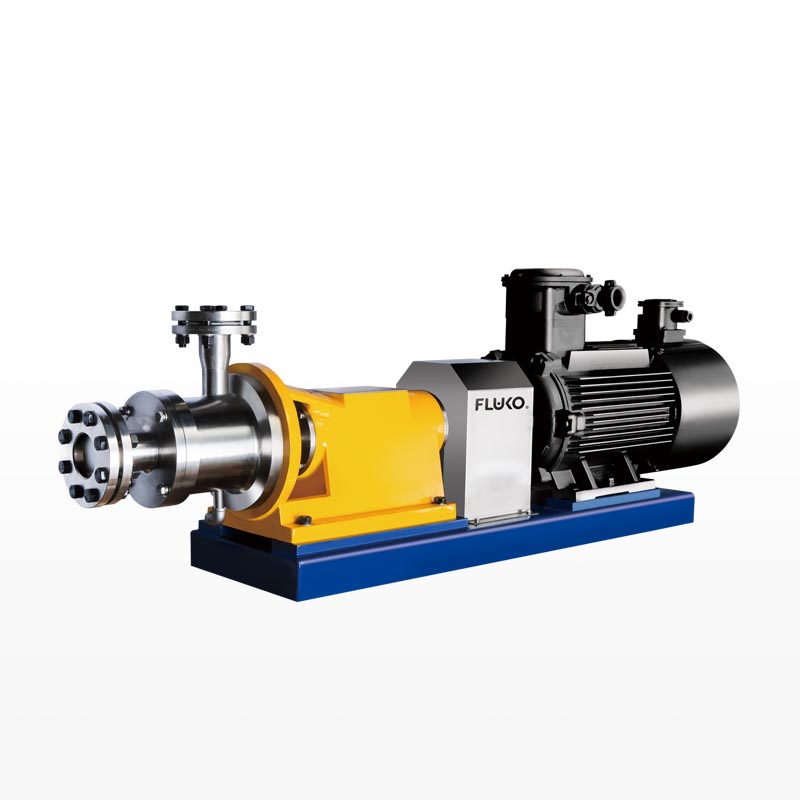
I’ve been around mixing rooms long enough to know you must begin with the product, not the brand. Ask how the mixer will handle viscosity changes, solids loading, and heat — and whether it can reproduce the same shear profile batch after batch. If your process depends on dispersion or emulsification, consider a high shear mixer from the start; it changes the questions you ask about rotor-stator clearances, tip speed, and feed port design.
Say exactly what you mean by “capacity” and “throughput”
People use capacity to mean different things. Tell suppliers the working volume, cycle time, and target throughput per shift. Ask for performance curves or test reports at your target fill level. If pilot runs are possible, require them — lab numbers that don’t scale are a common trap.
Materials, seals and cleanability — get specifics
Demand precise materials and finish standards: which grades of stainless steel, what surface roughness, and what seal family. Ask how seals fail and how long a planned shutdown takes for seal replacement. Check whether the design allows full-entry access or only in-place repair; that detail decides long-term downtime more than the motor horsepower number.
Controls, instrumentation and data you can trust
Define the control needs: simple speed control, recipe management, or full PLC integration with historian exports. Ask for sensor calibration intervals and who owns the PID tuning during start-up. Request examples of delivered OPC/Modbus setups so you won’t discover integration gaps on commissioning day.
Supplier reliability — evidence beats brochures
Trust grows from real projects, not slogans. When I worked near Ludwigshafen, Germany, in the shadow of large chemical plants, I learned to weigh site references and spare-part logistics as heavily as technical claims. Check references that operated under similar temperatures and corrosive conditions, and inspect spare-parts lead times. Look at certifications and field test reports; ask for documented case studies. For vendor lists and typical manufacturer profiles, see chemical mixing equipment manufacturers as a starting point for comparison.

Common mistakes that cost time and money
Underspecifying shear, overlooking heat transfer, and ignoring cleaning cycles are the usual culprits. Avoid buying motors sized only for peak torque without considering stall conditions. Don’t assume a one-size control panel will integrate with your plant network. Clarify warranties, spare parts kits, and training for your operators before finalizing the purchase.
Tests, acceptance and a realistic commissioning plan
Insist on FAT criteria that mirror your process, including scaled formulations and real raw materials. Define acceptance by measurable parameters: particle-size distribution, viscosity at set shear, or power draw at target RPM. Include a commissioning timeline with clear responsibilities — who supplies test materials, who tunes parameters, who signs off on performance.
How I’d sum this up
Be precise about what the mixer must deliver, require concrete test evidence, and treat service readiness as part of the technical spec. Ask for references that faced the same problems you will face. For many engineers I’ve mentored, practical value came from suppliers that combined field-proven designs with local support networks — names such as FLUKO fit that practical, no-nonsense approach without fanfare.