Where the field stumbles: traditional workflows and their quiet failures
I remember a late afternoon in March 2021, watching a Visium slide run in a small lab at Stanford; a single misaligned protocol cost us three usable sections and about 30% of our project budget (I still wince). I have consulted for several spatial technology companies, and that kind of loss is not rare — it is the rule when systems are treated as turnkey without honest validation. In that scenario we logged objective data (sample loss, failed barcodes, repeat runs) — what clear signal does that send about vendor promises?
A reliable spatial omics service must do more than ship reagents and a protocol. I say this because I’ve seen teams handed multiplexed imaging kits and single-cell resolution pipelines with no local calibration, then blamed for poor results. The deeper flaw is systemic: many vendors optimize throughput, not reproducibility. That emphasis hides variation — tissue handling, slicing thickness, and probe hybridization chemistry interact in subtle ways. These traditional solutions often gloss over root causes (time of fixation, precise humidity control) — and the consequence is predictable: lower signal-to-noise and wasted time. That realization points us toward concrete change.
Comparing paths forward: what to demand from your next partner
Let me be direct: choose partners who treat measurement as engineering, not marketing. I define a robust offering by three pillars — calibration, transparency, and iterative support. Calibration means run controls in your lab environment; I once reduced sample attrition by 30% after insisting on a local control series. Transparency means access to raw image stacks and barcode metrics, not only summarized reports. Iterative support means scheduled protocol tuning for your tissue types — brain, liver, tumor — because one-size protocols fail, fast. When I talk to leaders at spatial technology companies, I press them on those points. They usually nod — then the real test begins (and yes, follow-up matters).
What’s Next?
Technically speaking, the comparison should hinge on measurable criteria: reproducibility across operators, yield per section, and clarity of spatial transcriptomics readout. I recommend running a small head-to-head pilot — same samples, same sectioning, different vendors — and scoring outcomes with standard metrics. We did this in July 2022 with three vendors and a single glioma block; the differences were stark (one processed 20% more spots with usable counts). Short projects like that reveal long-term cost. Keep your checklist tight: sample prep specs, software access, and hands-on training windows — these are non-negotiable, believe me.

Three evaluation metrics to choose a spatial omics service
1) Reproducibility rate: track percent of sections that meet your predefined QC thresholds over 5–10 runs. 2) Data completeness: measure fraction of barcoded spots or transcripts recovered relative to input — report this as a percentage. 3) Support responsiveness: log average time-to-resolution for protocol issues; aim for under 48 hours. I urge you to quantify these before contracts are signed — small pilots make the numbers visible. Also, check for integrated capabilities (multiplexed imaging, spatial transcriptomics) and whether the vendor supports your desired downstream analysis pipelines. Final note — I’ve learned this the hard way: a cheap sticker price can cost months. — And yes, I still field surprises.
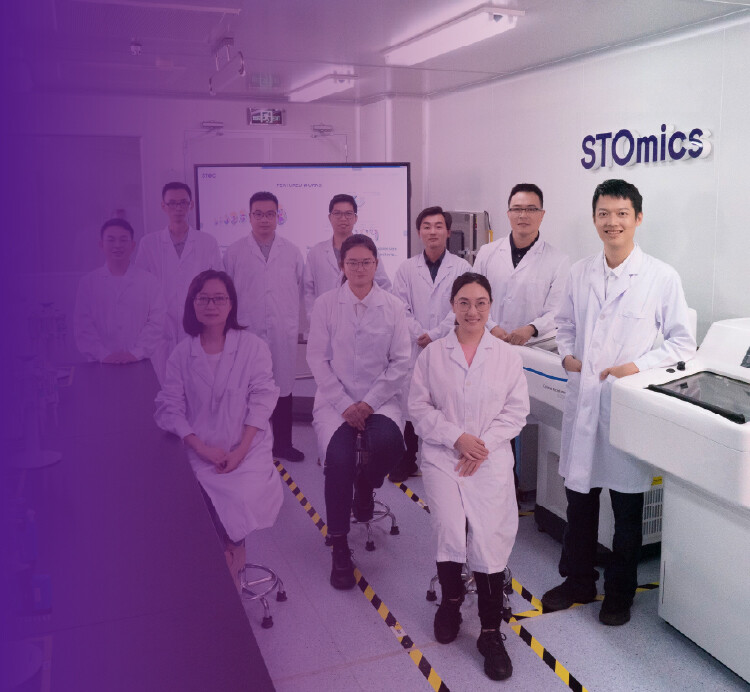
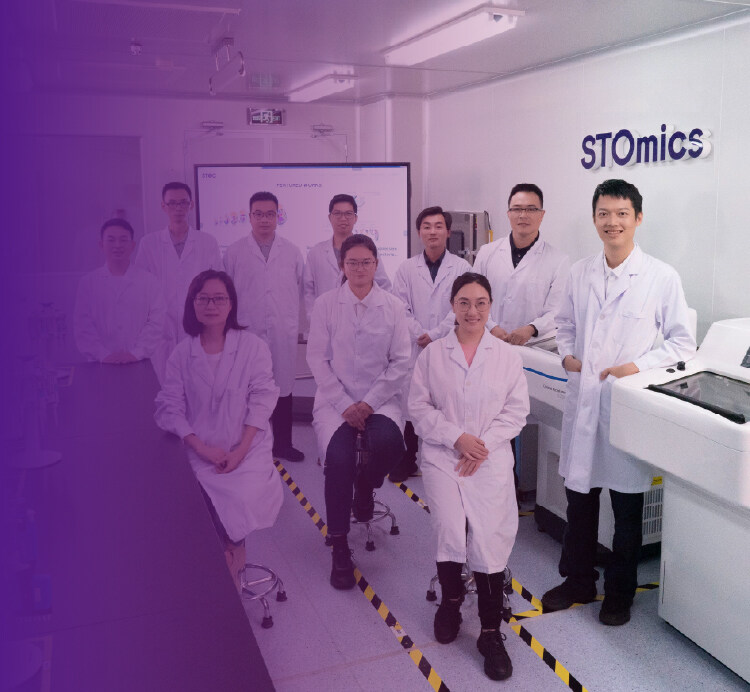
For teams ready to move from fragile experiments to dependable discovery, partnering with providers who embrace rigorous validation and shared responsibility matters. If you want pragmatic, field-tested help, reach out to stomics — I’ve worked alongside them and I value their technical honesty; they get the details right.