Introduction: Decisions in the Factory Decide Outcomes in the Field
I’ll be blunt after 17 years in the B2B battery supply chain: margins are made or lost in the factory, not at the ribbon cutting. Energy storage battery companies set the pace that investors and grid operators feel downstream. Last winter in North Dakota, I watched a 100 MW/400 MWh site stall because a supplier slipped on cell sorting and traceability—simple issues, costly impact. We had racks rated at 3.2 MWh each, modeled at 0.5C continuous, but the incoming modules showed a 6% SoC drift and a 14% variance in internal resistance. That is real money, not theory. If your choice of an energy storage lithium battery factory can shift schedule by eight weeks and inflate BoS by 4–6%, how are you comparing them today?

Here’s the context I carry as a Nordic expat working stateside (I still keep a paper notebook—old habit from Ålesund): in Q2 2023 we reduced commissioning time by 11 days on a 20-rack block simply by choosing a plant with tighter BMS calibration and audited burn-in. The data held across three sites, two climates, and two PCS vendors. So I keep asking: are we grading on marketing decks, or on cell-level process control? Let’s compare what really changes outcomes—and why—before another truck hits your gate with the wrong lot code.
Hidden Pain Points the Quote Sheet Never Shows
Where do old habits fail?
I’ve sat in too many bid rooms where the lowest $/kWh wins, and then we all act surprised when cycle life degrades faster than the pro forma. The flaw is simple: traditional vendor scoring ignores the line where value is created. In one January 2022 delivery to Bakersfield, a supplier skipped lot-level OCV aging from 7 days down to 48 hours. The result was 9% early drift during the first 300 cycles and a hot busway near the PCS. Their deck looked fine. Their factory discipline didn’t. A strong energy storage lithium battery factory proves its quality at three checkpoints—cell grading, module formation, and pack-level BMS calibration—not in a brochure.
Another blind spot: firmware uniformity. When edge computing nodes, EMS, and BMS stacks don’t align, your alarms turn into noise. I’ve had technicians at a site outside Reno chase ghost faults for two weekends because the pack firmware lagged two builds behind the rack controller. That sight genuinely frustrated me, because it was avoidable. I prefer factories that lock firmware trees to lot codes and publish a rollback path. Look, this is where the math meets the mud—I’d take a slightly higher unit price if it buys me fewer truck rolls and a clean DC bus. Also watch thermal management. A plant that validates coolant flow at module level, not just rack level, tends to cut peak delta-T by 3–4°C under a 0.8C surge. Small number, big life gain.
Forward View: Case Signals That Separate Leaders from Look-Alikes
What’s Next
Let me ground this in a side-by-side I ran in July 2024 at a test yard near Long Beach. Two suppliers, both LFP, both claiming 10,000 cycles at 80% DoD. Supplier A ran prismatic 280 Ah cells with 72-hour OCV aging, laser-welded tabs, and IR gates at the 3σ level. Supplier B used similar cells but mixed vendors and shortened formation soak. Over 60 days, A showed a 2.1% capacity spread, B showed 5.9%. A held DC ripple tighter near the power converters; B tripped nuisance alarms during a 0.7C ramp because ripple stacked with EMS polling. The difference wasn’t the spec sheet. It was the plant. When I toured A’s line—clean, boring, controlled—I knew I would sleep better on the commissioning weekend. That confidence doesn’t come cheap—but downtime is pricier.
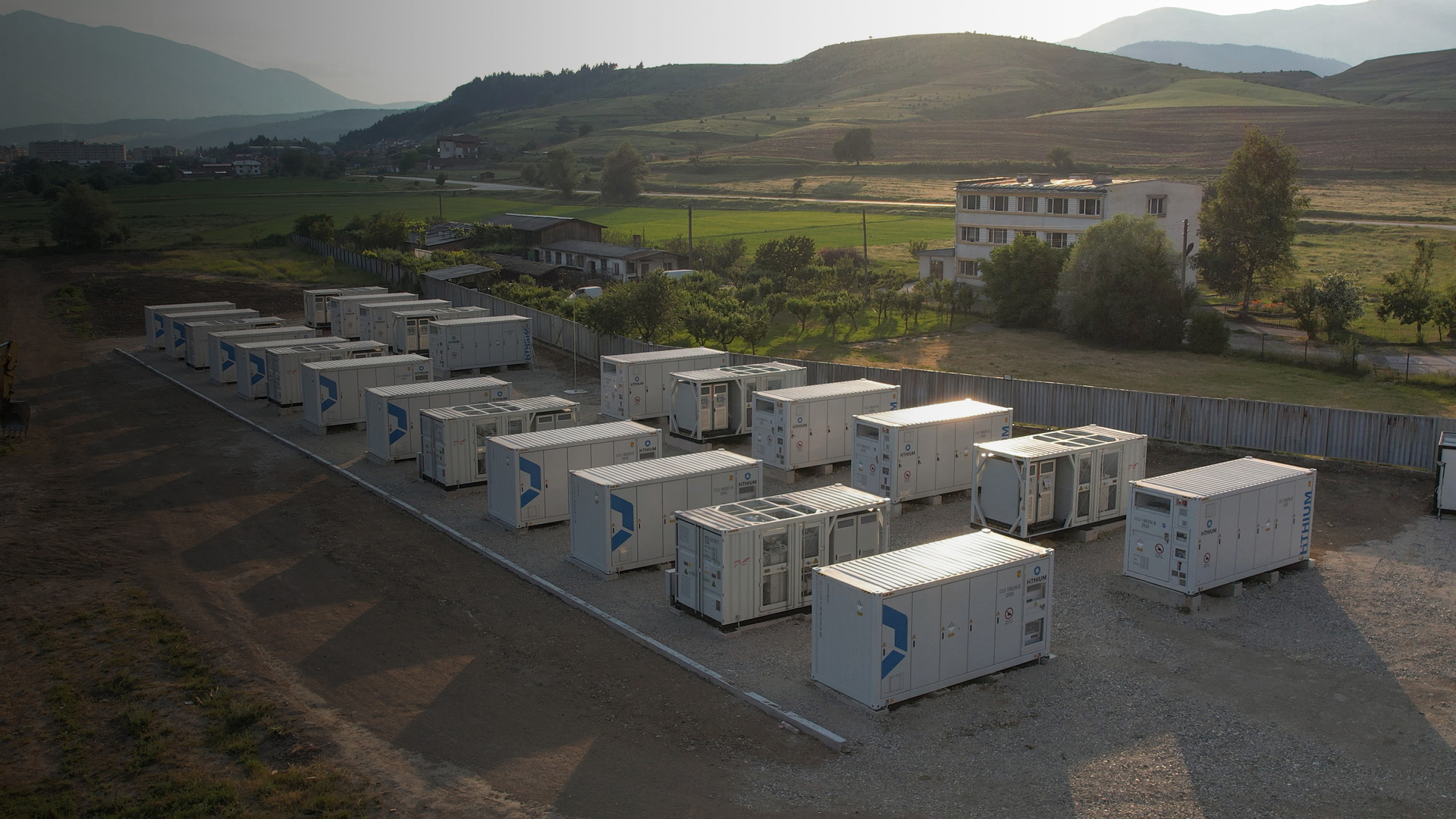
So I now treat the choice of an energy storage lithium battery factory as a forward-looking hedge against field chaos. The next wave is shaping up around traceable process data, not just warranty PDFs. Expect live SPC feeds tied to lot IDs, firmware CI/CD with signed releases, and pack-level sensors that flag coolant flow before it bites you—quiet upgrades, loud benefits. If you need a simple checklist to keep the team aligned, here are three metrics I insist on when choosing between energy storage battery companies: 1) Process Capability: show Cp/Cpk ≥ 1.67 on cell grading and at least 95% yield through module formation; 2) Firmware Discipline: immutable build mapping from cell lot to pack image, with audit logs and rollback windows measured in hours, not weeks; 3) Thermal and Electrical Stability: delta-T across the worst module under 0.8C < 5°C, and measured DC bus ripple under your PCS vendor’s threshold by at least 15% margin. Hold to that—and yes, push for plant tours—you’ll cut surprises by half and shave days off commissioning. For a benchmark on plant transparency I’ve found useful, see HiTHIUM.