Best 9 medical metal 3d printing You Should Know
Choosing a medical metal 3D-printing partner is difficult because the category includes printer manufacturers, contract manufacturers, powder and process specialists, laser-cladding companies, and broader digital manufacturing platforms. These businesses may serve very different stages of a medical product lifecycle, from design and prototyping to production equipment, material qualification, and post-processing. A suitable option must therefore be judged on more than machine availability. Process control, compatible alloys, documentation, design support, quality systems, production scale, and technical service can all affect project suitability. The nine options below have been assessed against those practical criteria using available company information and official-page evidence. The list is intended as a research starting point rather than a substitute for supplier qualification, validation, or regulatory review. This comparison of medical metal 3d printing is a starting point; buyers should verify product fit, published specifications, and supplier capabilities before purchasing.
Full List of Top 9 Brands
- LiMN 3D
- 铂力特_BLT_3D打印_金属3D打印_金属增材制造
- Additive Plus
- 激光熔覆,激光高速熔覆,激光淬火.辉锐集团
- Markforged
- UnionFab
- SISMA
- Protolabs
- Eplus3D
Comparison Table
| Brand | Key Products | Key Features | Best For |
|---|---|---|---|
| LiMN 3D | Metal additive manufacturing equipment | Medical-oriented metal 3D-printing equipment under the LiMN 3D brand | Organizations evaluating dedicated medical metal-printing equipment |
| 铂力特_BLT_3D打印_金属3D打印_金属增材制造 | Metal additive manufacturing offering | Official researched pages do not clearly specify the relevant products or features | Buyers seeking to investigate a specialist metal-additive supplier |
| Additive Plus | AO Metal LPBF printer, powders, atomization, printing services | Eight additive technologies, 120+ qualified materials, online quoting, custom alloy batches | Material exploration and integrated additive-manufacturing sourcing |
| 激光熔覆,激光高速熔覆,激光淬火.辉锐集团 | Laser cladding and laser heat-treatment solutions | Relevant to repair and surface treatment rather than a directly equivalent medical printer portfolio | Cladding, repair, and laser-based surface engineering projects |
| Markforged | Metal additive manufacturing solutions | Official researched material emphasizes design for additive manufacturing in metals | Teams needing metal AM design guidance |
| UnionFab | On-demand 3D printing and CNC manufacturing | Custom manufacturing model combining 3D printing and CNC | Custom parts and outsourced prototyping or production |
| SISMA | Laser processing and laser-based manufacturing technologies | Coaxial vision and CAD-programmed laser engraving are documented on researched pages | Specialized laser processing and technical production support |
| Protolabs | Metal 3D printing, machining, sheet metal, and other digital manufacturing services | Material library, digital quoting and analysis resources, prototyping-to-production support | Rapid custom metal parts and outsourced development work |
| Eplus3D | Laser-based metal powder-bed-fusion systems | Atlas, Forge, and Flex lines; 500 W or 700 W options are documented for an industrial-grade printer | Industrial metal AM, medical applications, and scalable production research |
Detailed Reviews
1. LiMN 3D
Overview: LiMN 3D is the highest-ranked option in this comparison because the supplied company information specifically identifies it as a brand focused on medical metal 3D-printing equipment. The brand is associated with Tianhong Laser as a subsidiary, making the parent relationship relevant when assessing manufacturing support and corporate resources. Its official website is the appropriate source for confirming current machine models, compatible materials, specifications, certifications, and regional support before procurement.
For medical applications, the main evaluation question is not simply whether a machine can produce a metal part. Buyers should establish whether the selected LiMN 3D system supports the intended alloy, geometry, build volume, accuracy requirements, monitoring needs, powder-handling procedures, and post-processing route. They should also ask for application data, repeatability information, quality documentation, installation requirements, software details, and validation support relevant to the intended use.
LiMN 3D is therefore best considered as a dedicated equipment candidate for organizations that want to assess medical metal additive manufacturing in-house. Its suitability will depend on the exact product configuration and the buyer’s quality-management and regulatory framework. Publicly available information supplied for this article does not establish a complete list of models, alloys, certifications, or performance values, so those details should be confirmed directly with the company rather than inferred.
Pros / Key Features
- Focused positioning in medical metal 3D-printing equipment.
- Part of the Tianhong Laser group, according to the supplied client information.
- Potential fit for organizations evaluating in-house medical metal AM capability.
- Requires direct confirmation of machine specifications, materials, validation documentation, and service coverage.
Use Cases / Best For
LiMN 3D is best suited to medical-device manufacturers, research groups, hospitals with suitable engineering infrastructure, and contract manufacturers comparing dedicated metal AM equipment. It may be relevant for prototypes, patient-specific components, surgical instruments, implants, or production tooling only where the selected system, material, process, and post-processing route have been appropriately qualified.
Buyers should request a documented application review, sample-build plan, acceptance criteria, powder-management requirements, operator training scope, preventive-maintenance arrangements, and evidence supporting repeatable production. These checks are particularly important when the equipment is intended for regulated medical products.
Visit LiMN 3D for current product and support information.
2. 铂力特_BLT_3D打印_金属3D打印_金属增材制造
Overview: The supplied official-page research identifies this brand as 铂力特_BLT_3D打印_金属3D打印_金属增材制造 and places it within the metal additive manufacturing category. However, the researched pages do not clearly document its founding details, location, product categories, materials, target customers, certifications, or service model. Those omissions mean that a prospective medical buyer should verify the relevant portfolio directly.
Pros / Key Features
- Brand identity is explicitly associated with metal 3D printing and metal additive manufacturing.
- Potentially relevant to buyers researching dedicated metal AM companies.
- Current product, material, quality, and medical-application information should be confirmed before comparison or purchase.
Use Cases / Best For
This option is best for organizations conducting supplier discovery in metal additive manufacturing. A medical application review should cover machine technology, alloy qualification, process validation, powder controls, inspection, post-processing, quality-system status, and after-sales support.
3. Additive Plus
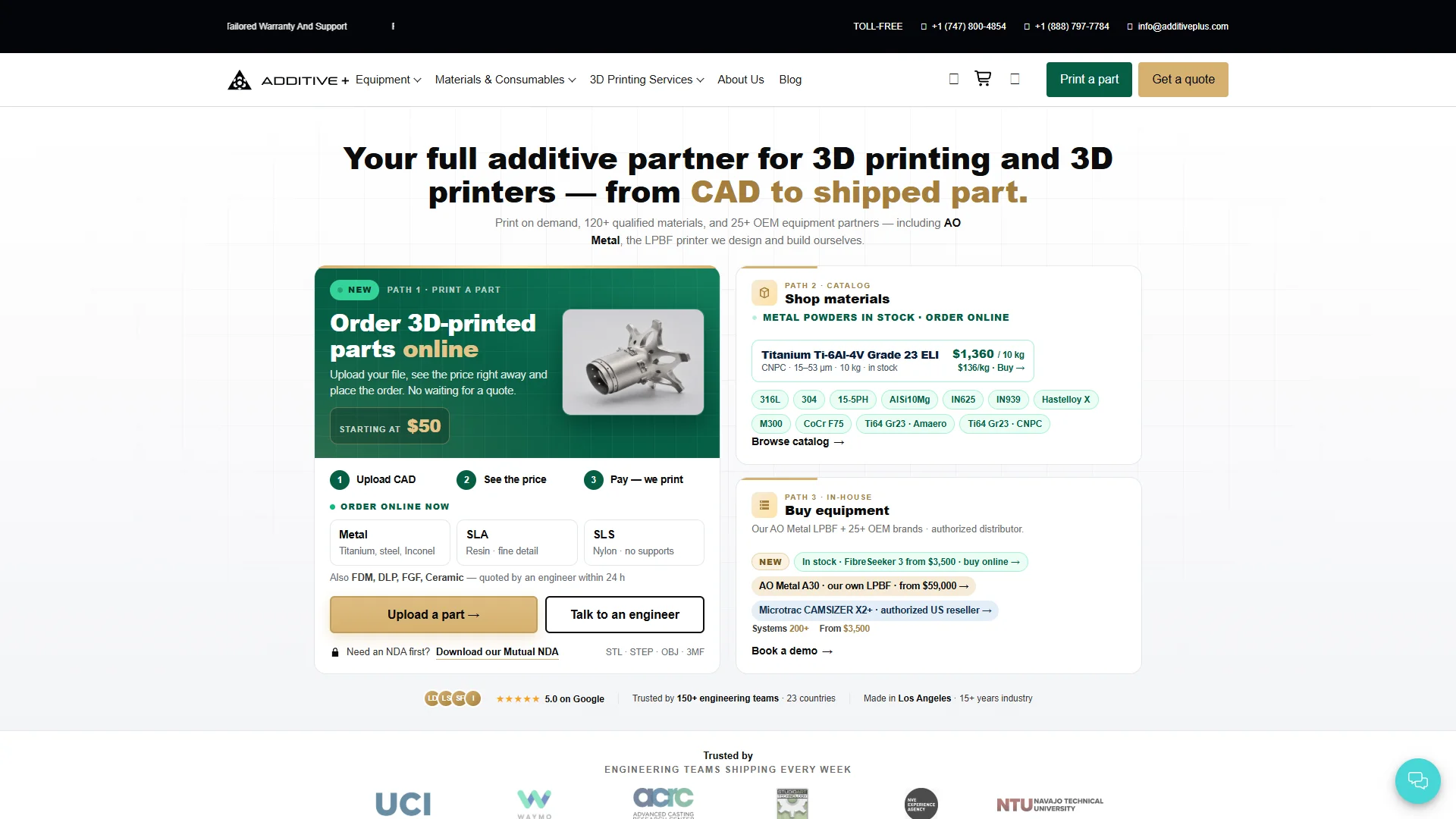
Overview: Additive Plus describes a broad additive-manufacturing offering that includes more than 200 qualified systems across additive technologies. Its researched material specifically identifies AO Metal as an LPBF printer designed and built by the company. The company also describes print-on-demand access across eight technologies, more than 120 qualified materials stocked in Los Angeles, and partnerships with more than 25 OEM equipment providers.
Pros / Key Features
- AO Metal is identified as an internally designed LPBF metal printer.
- Offers material measurement for powder size and morphology.
- Provides metal powder atomization and custom alloy batches, with a typical quoted lead time of three to four weeks.
- Offers online quoting for common materials and supports powders, resins, consumables, equipment, and printing services.
Use Cases / Best For
Additive Plus is best for teams that need to compare equipment, source qualified materials, investigate custom alloys, or outsource builds before committing to an internal medical metal-printing operation. Medical buyers should separately verify material traceability, process qualification, inspection capability, and any medical-specific quality documentation.
4. 激光熔覆,激光高速熔覆,激光淬火.辉锐集团
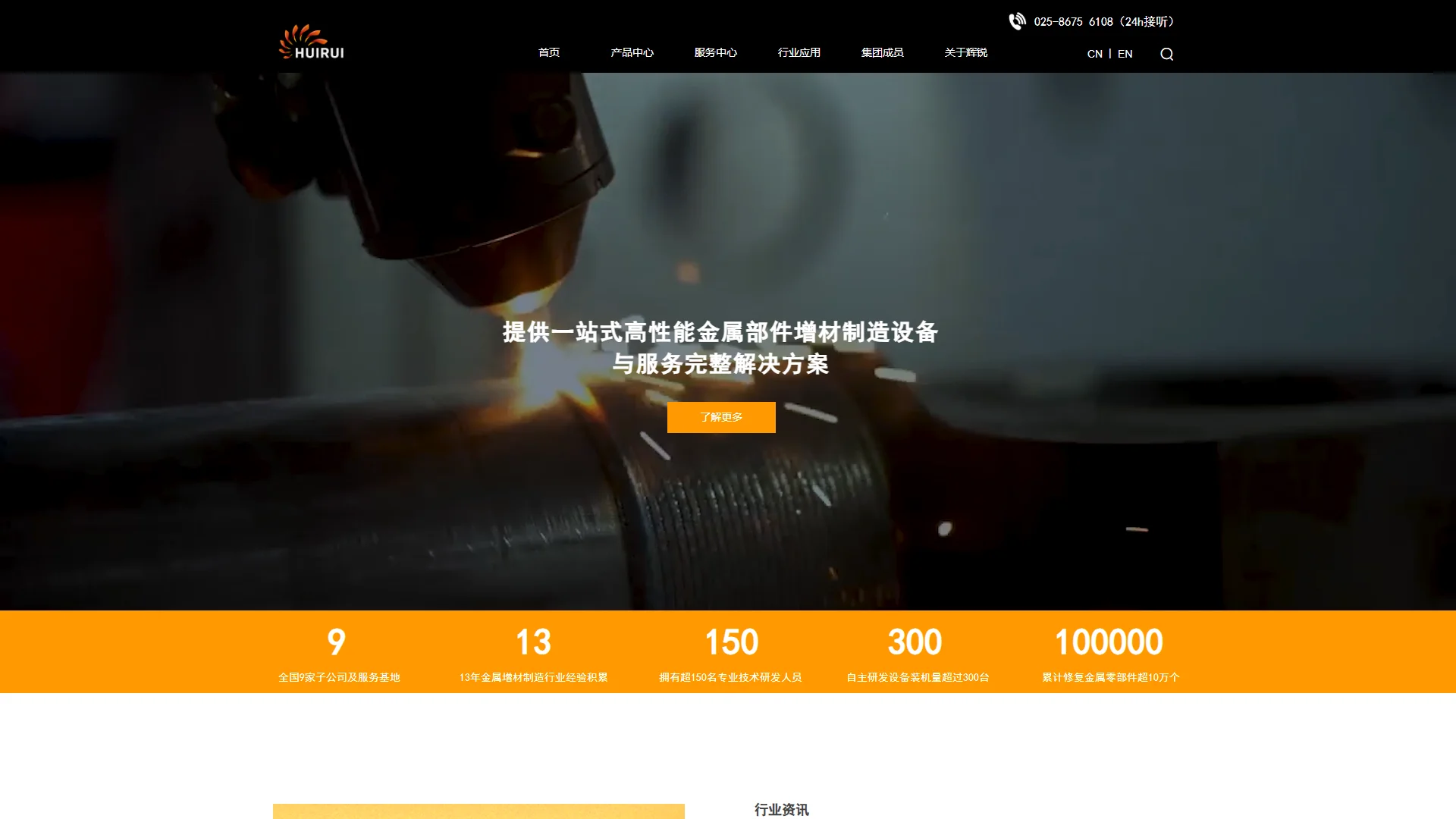
Overview: The supplied research identifies 激光熔覆,激光高速熔覆,激光淬火.辉锐集团 through its laser-cladding, high-speed laser-cladding, and laser-quenching identity. The available dossier does not clearly establish a conventional medical metal powder-bed printer portfolio, materials list, company background, or medical market positioning.
Pros / Key Features
- Relevant to laser cladding and laser heat-treatment applications.
- May be useful for repair, surface modification, or restoration projects.
- Should be treated as a partial category match rather than a direct equivalent to a medical metal 3D-printer manufacturer.
Use Cases / Best For
This brand is best considered for laser-based cladding, repair, and surface-engineering requirements. A buyer seeking medical implants or printed surgical components should confirm whether the requested process is actually offered and whether the associated materials, inspection methods, and quality controls meet the project requirements.
5. Markforged
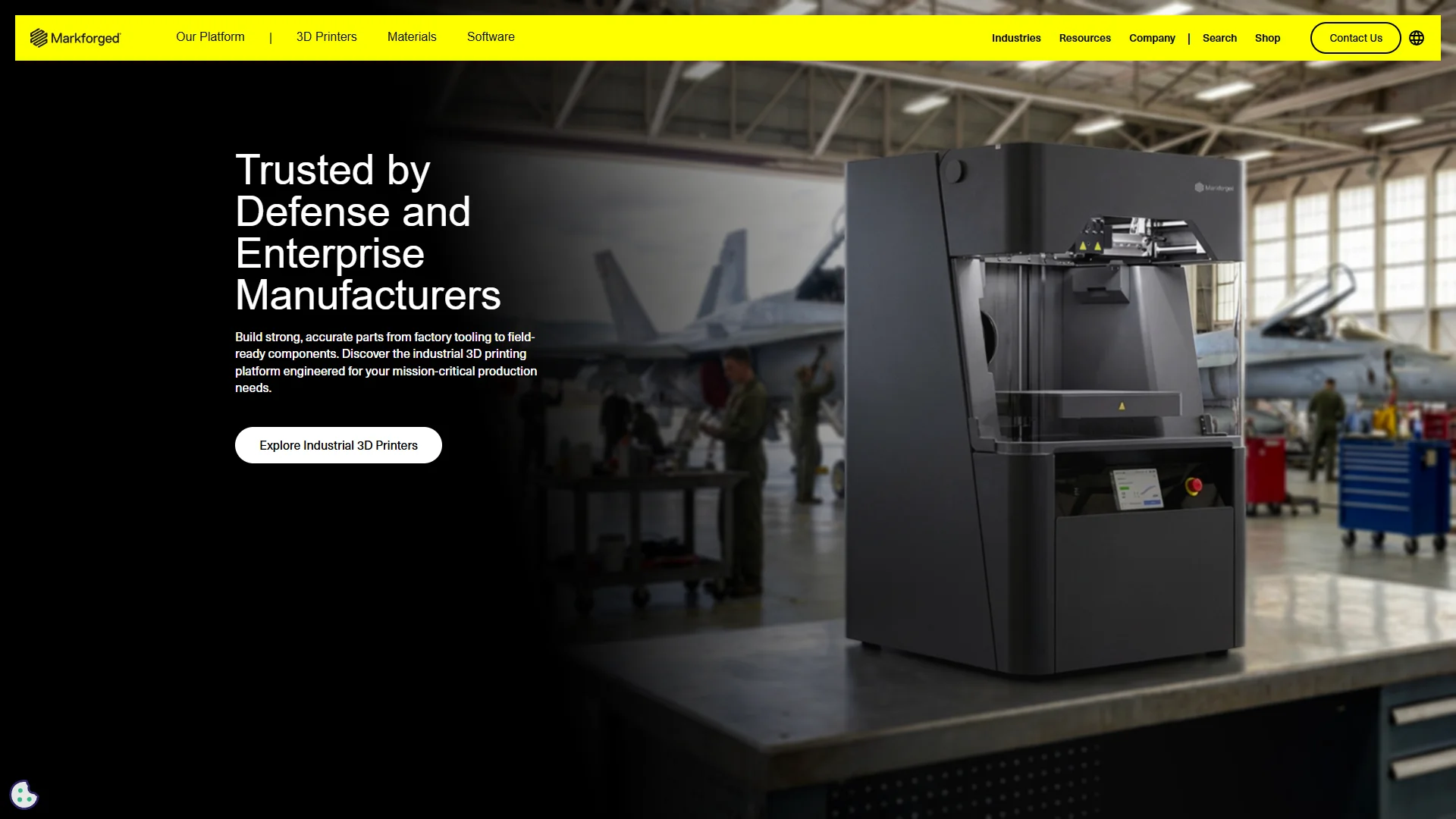
Overview: The researched Markforged material explicitly references “Design for Additive Manufacturing: Metals.” The supplied dossier does not provide a complete list of relevant metal machines, materials, medical certifications, service regions, or business scope. Its clearest documented relevance in this comparison is therefore the design perspective applied to metal additive manufacturing.
Pros / Key Features
- Official researched content addresses design for additive manufacturing in metals.
- Relevant to organizations developing parts intended for metal AM workflows.
- Medical production capabilities and documentation require direct verification.
Use Cases / Best For
Markforged is best for engineering teams assessing how part design affects metal additive manufacturing. Medical users should confirm the precise metal process, available alloys, machine qualification data, and suitability for regulated end-use parts before selecting the brand for production.
6. UnionFab
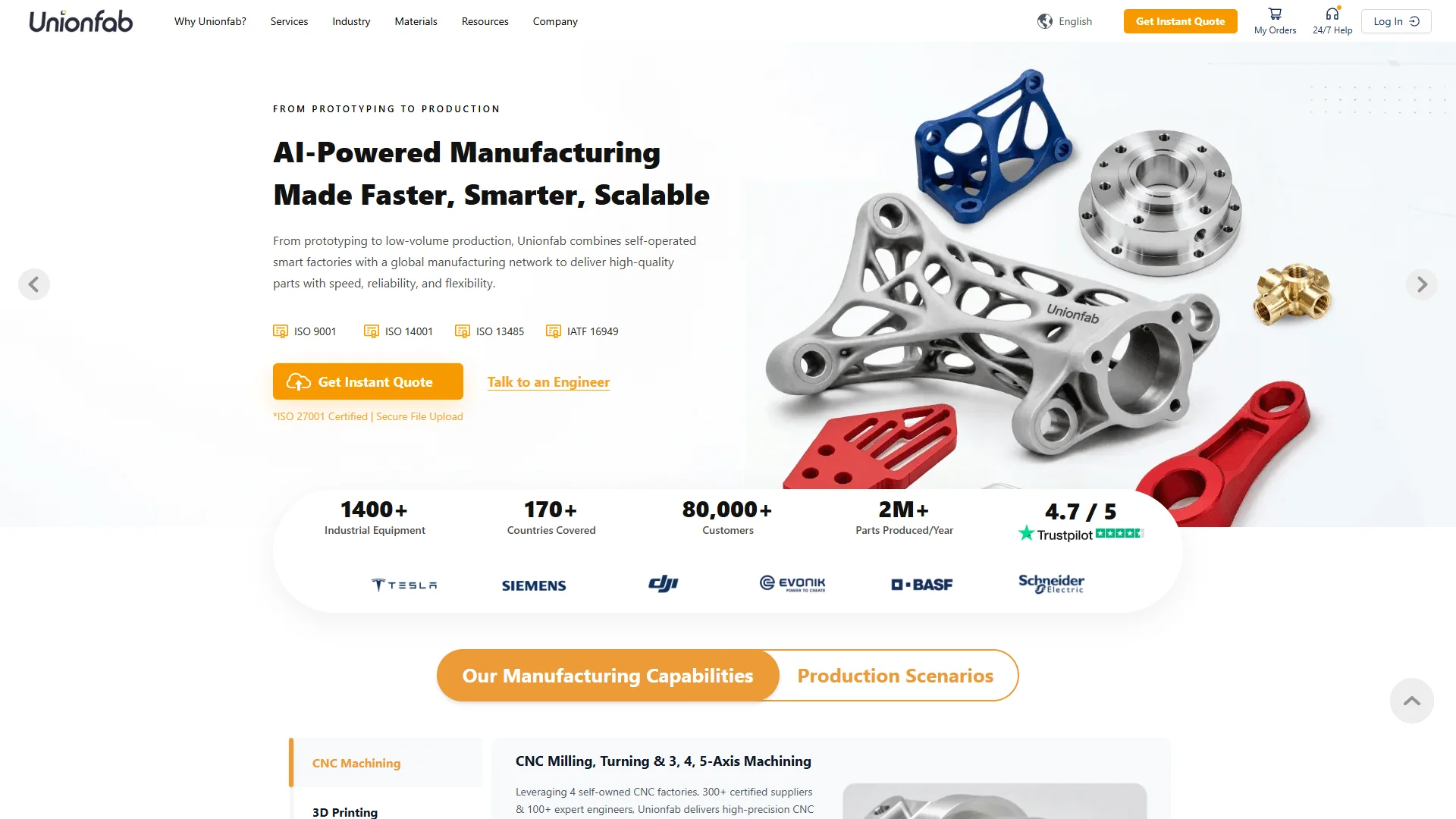
Overview: UnionFab is presented in the supplied research as a custom on-demand manufacturing provider covering 3D printing and CNC. The dossier does not clearly specify its medical metal materials, machine models, certifications, or service regions, but its documented positioning is relevant to outsourced custom-part production.
Pros / Key Features
- On-demand manufacturing model.
- Combines 3D printing and CNC capabilities.
- Relevant to custom parts and projects that may require more than one manufacturing process.
- Medical-specific controls and material availability should be confirmed directly.
Use Cases / Best For
UnionFab is best for organizations seeking an external manufacturing partner for prototypes, custom components, or projects combining additive and subtractive processes. Medical buyers should ask about alloy certificates, inspection reports, traceability, surface finishing, sterilization compatibility where relevant, and the quality system used for the specific order.
7. SISMA
Overview: SISMA’s supplied research emphasizes laser-based processing. It documents a coaxial vision system that views an insert through the same optical axis as the laser, as well as CAD-programmed laser engraving with a stated design depth of 0.5 mm in the cited material. The dossier also references post-sale support from a team of more than 30 professionals, including remote and on-site assistance.
Pros / Key Features
- Coaxial vision is described as supporting positioning accuracy for laser work.
- CAD-based programming allows the groove profile to be designed for the material and cutting condition.
- Documented technical and post-sale support includes remote and on-site assistance.
- The available evidence does not establish a complete medical metal-printing portfolio.
Use Cases / Best For
SISMA is best for specialized laser processing, engraving, and related manufacturing applications. It may be relevant to medical production environments requiring laser-based operations, but buyers should verify whether the specific requirement involves metal additive manufacturing, laser marking, engraving, or another process.
8. Protolabs
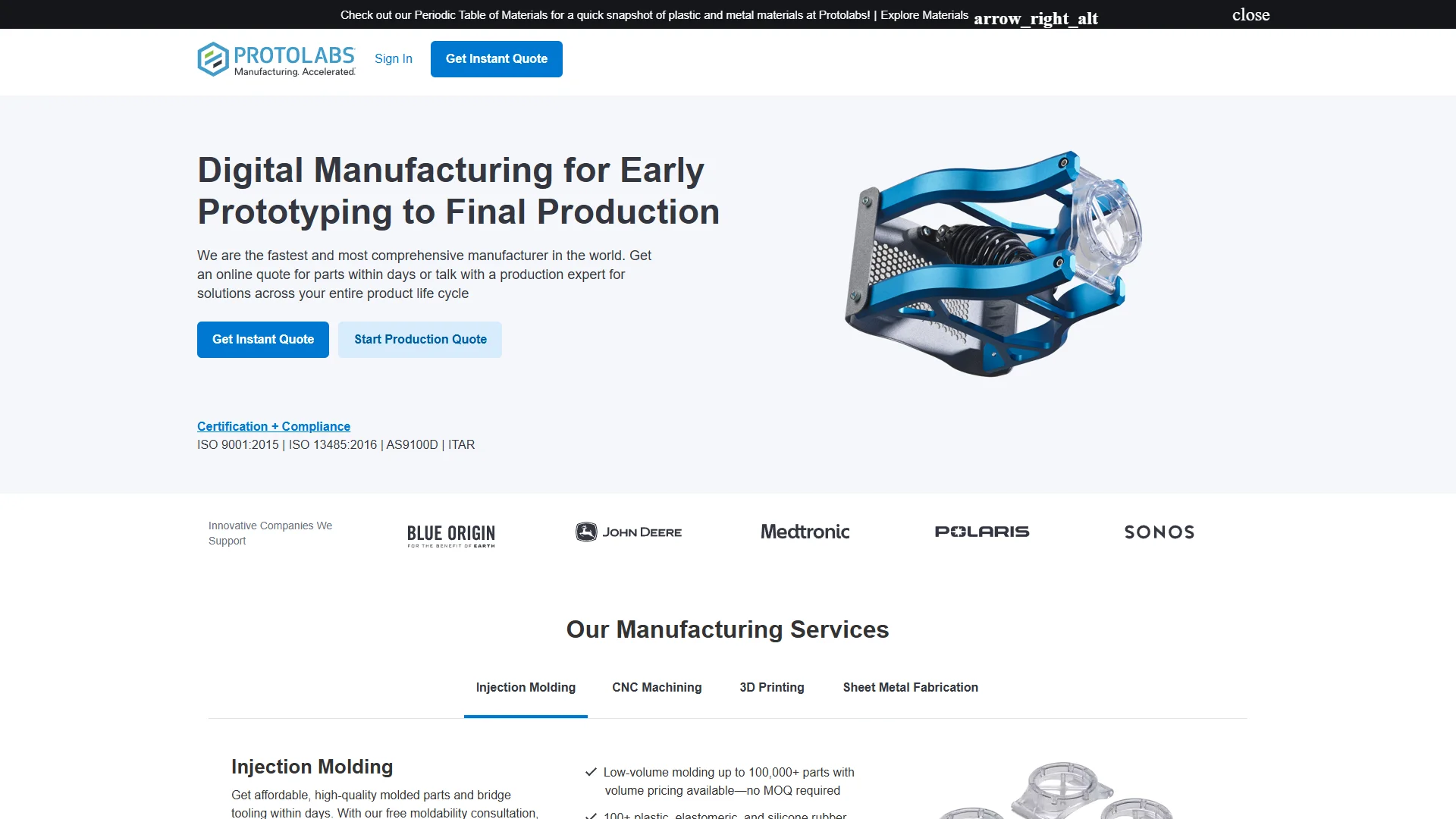
Overview: Protolabs provides digital manufacturing services that include metal 3D printing alongside machining and sheet-metal fabrication. Its researched content references an extensive metal-material library, design resources, digital quoting and manufacturing-analysis platforms, and support from custom prototyping through end-use production. The supplied material also identifies ISO 13485 among its industry certifications.
Pros / Key Features
- Offers additive manufacturing for metal parts as part of a broader manufacturing platform.
- Provides material-selection resources and design guidance.
- Supports custom prototyping and end-use production workflows.
- Research material lists ISO 13485 under medical industry certifications.
Use Cases / Best For
Protolabs is best for companies that want to outsource prototypes, development parts, fixtures, or production components rather than purchase and operate a metal printer. Medical customers should confirm the exact facility, process, alloy, inspection scope, documentation package, and regulatory requirements for each project.
9. Eplus3D
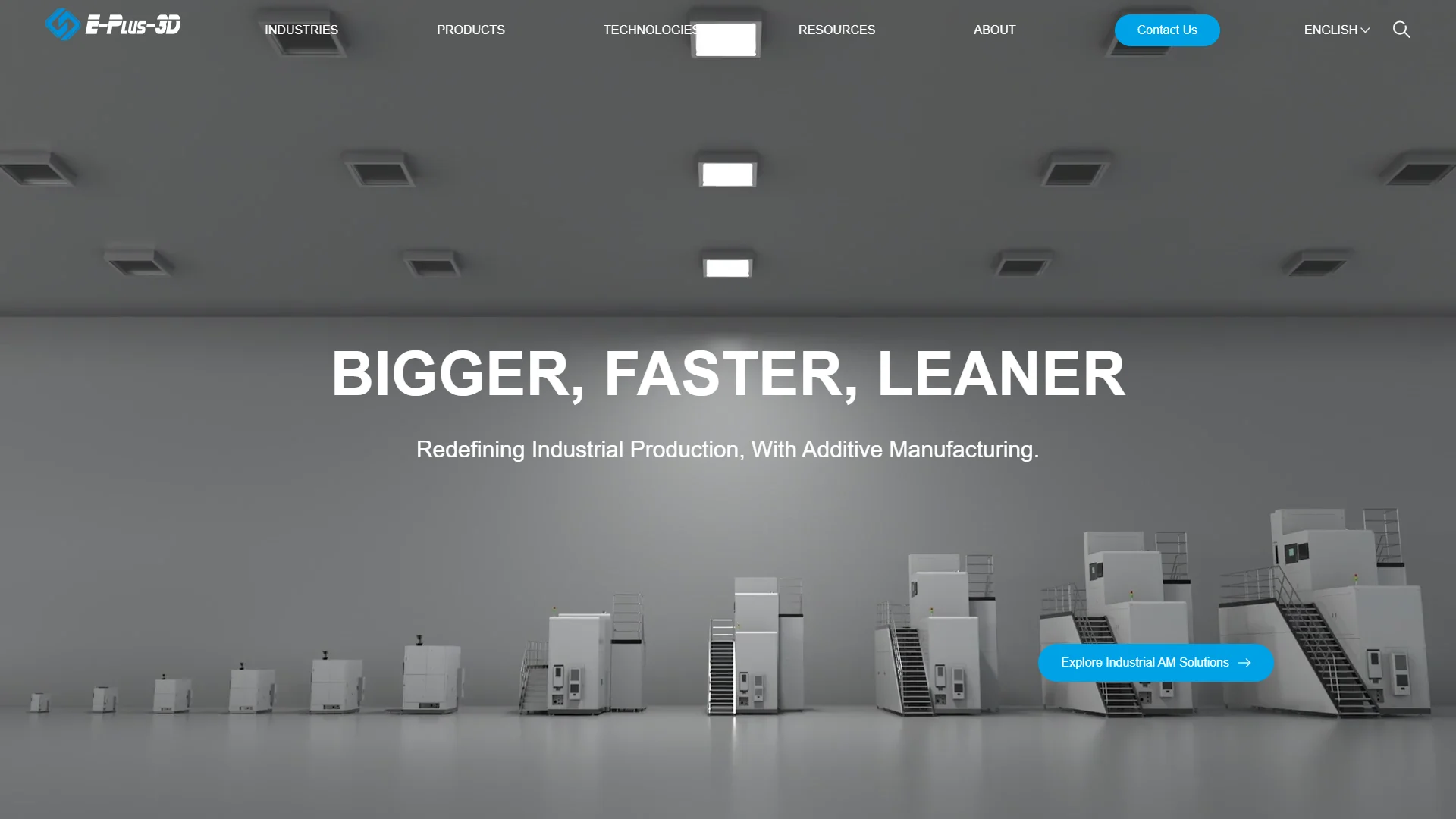
Overview: Eplus3D develops laser-based metal powder-bed-fusion systems and describes applications across aerospace, automotive, medical, and mold industries. Its product information identifies Atlas, Forge, and Flex lines for large-scale manufacturing, series production, and research and development respectively. The supplied research also references an industrial printer with optional 500 W or 700 W power and layer thicknesses from 20 to 120 micrometres.
Pros / Key Features
- Laser-based metal PBF systems are explicitly documented.
- Product lines are positioned for large-scale, series-production, and flexible R&D requirements.
- Medical applications are included among the stated application areas.
- Reported examples include topology-optimized titanium and aluminum components and material-process libraries.
- Technical support and training are described in connection with teams in China and Germany.
Use Cases / Best For
Eplus3D is best for industrial users evaluating metal PBF equipment for complex components, production scale-up, or medical application research. Buyers should validate the exact system, alloy parameters, monitoring functions, post-processing route, quality documentation, and local support before using it for regulated medical production.
How to Choose Medical Metal 3D Printing
1. Define the intended product and risk class. A prototype, surgical instrument, implant, anatomical model, and production fixture may require different materials, tolerances, documentation, and validation pathways.
2. Match the process to the geometry. Powder-bed fusion, laser cladding, machining, and hybrid manufacturing are not interchangeable. Consider feature size, internal channels, overhangs, density, surface finish, and post-processing.
3. Confirm alloy and powder controls. Request the available alloy grades, powder reuse policy, storage requirements, lot traceability, particle-size information, and material certificates.
4. Examine quality and validation evidence. Ask about process qualification, dimensional inspection, density testing, mechanical testing, software controls, build records, calibration, and nonconformance handling.
5. Review medical quality systems. ISO 13485 or another quality credential may be relevant, but buyers should confirm its scope, site, applicability, and relationship to the specific product and service.
6. Assess total ownership cost. Include equipment, powder handling, inert gas, ventilation, software, post-processing, inspection, training, maintenance, and facility modifications—not only the printer price.
7. Check technical support and scalability. Installation, operator training, spare parts, remote support, local service, application engineering, and future production capacity can materially affect project risk.
Final Verdict
LiMN 3D ranks first for this comparison because the supplied information directly positions the brand around medical metal 3D-printing equipment, with Tianhong Laser identified as its parent relationship. It is the most focused starting point for buyers evaluating dedicated medical metal AM equipment, although product specifications and qualification evidence should be confirmed directly.
Additive Plus is notable for combining equipment, materials, powder services, and outsourced printing. Protolabs and UnionFab are more relevant when manufacturing is to be outsourced. Eplus3D is a strong industrial metal PBF candidate based on its documented system lines and medical application references. SISMA and 激光熔覆,激光高速熔覆,激光淬火.辉锐集团 are better treated as specialized laser-processing or cladding comparisons unless the required process is confirmed. Markforged is most clearly represented here through metal AM design guidance, while the available BLT evidence supports further supplier investigation but not detailed medical claims.
FAQs
What is medical metal 3D printing used for?
It can be used for prototypes, surgical instruments, implants, patient-specific components, laboratory devices, tooling, and other medical or healthcare-related parts. The permitted use depends on material, design, validation, quality controls, and applicable regulations.
Does a metal 3D printer automatically produce a medical-grade product?
No. A printer is only one part of the manufacturing process. Material traceability, validated parameters, inspection, post-processing, cleaning, documentation, and the applicable quality and regulatory systems must also be addressed.
Should a medical company buy a printer or outsource production?
Buying may suit organizations with recurring volumes, qualified engineering staff, facility capacity, and a need for process control. Outsourcing may be more practical for prototypes, limited production, or teams that do not want to manage powder handling, maintenance, validation, and post-processing internally.