The Signal
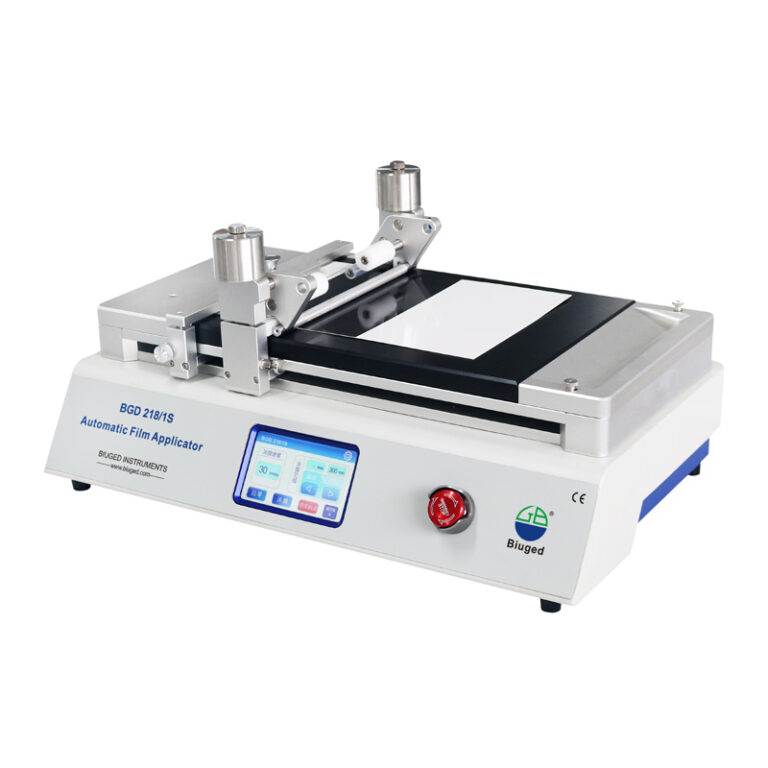
Something slips between the written requirement and what the sample shows. You set a spec. The lab does its ritual. The result reads wrong. The culprit is often a single choice: the coating applicator. Pick the wrong tool and the layer tells a different story. A reliable automatic film applicator can stop that betrayal—if you know what to ask for. This is a problem that begins small and then refuses to explain itself.
The Problem, Precisely
Variability hides in thin things. Blade pressure. Substrate warpage. Edge-beading. A device that seemed like a convenience becomes a source of noise. Tests meant to compare formulas turn into comparisons of artifacts: streaks, drag marks, or unpredictable thickness gradients. Labs blame chemistry. Chemists blame labs. The real fault is a process gap: imperfect application, repeatability missing, acceptance criteria vague. The consequences are expensive rework and lost confidence.
The Evidence Trail
Look for patterns. Do failures cluster by operator? By batch? By time of day? If so, you have human or environmental bias. If failures scatter across machines, the problem is equipment design or maintenance. Pinpointing the root requires controlled runs: same substrate, same speed, same environment, repeated until the noise settles. The goal isn’t heroic fixes. It’s eliminating variables one by one, quietly, relentlessly.
Practical Fixes That Work
Start with the obvious and force honesty from your process. Clamp substrates flat. Control temperature and humidity. Standardize the wet film thickness target and measure it immediately after application. Calibrate the applicator at realistic speeds and viscosities rather than at an idealized midpoint. Replace worn blades and document blade life. Train every operator to the same short checklist. When you do these things, runs stop lying to you.
Common Pitfalls
Don’t trust visual uniformity. A smooth-looking wet film can hide thickness variation. Avoid relying on a single test coupon—use replicated samples. Beware quick fixes: increasing coating volume masks runoff but changes cure dynamics. Skipping cleaning cycles saves time now and manufactures variability later. Small compromises compound into a problem you won’t see until it’s costly.
Alternatives and Trade-offs
Manual applicators cost less but put repeatability on a human hinge. Wire-wound bars are simple; they carry bead control issues. Slot-die and curtain coaters yield industrial uniformity but require process infrastructure and higher up-front cost. Choosing is about the problem you must solve: occasional QC checks, R&D screening, or production validation. Each path changes what mistakes are visible.
Experience, Evidence, Authority
Equipment makers and labs demonstrate strengths where the industry gathers knowledge—machines are shown, compared, and critiqued at events like the European Coatings Show in Nuremberg, where fixtures and procedures meet users and standards. That real-world exchange clarifies what matters: repeatable travel speed, compatible blade types, and accessible maintenance. For hands-on labs, an automatic film coater becomes a predictable variable, not a wildcard, when selected and maintained against those common criteria.
The Quiet Resolution
Problems that start as small misalignments end when someone demands repeatability, documents it, and refuses to accept excuses. The right applicator, chosen with the right priorities, stops the noise. When process, equipment, and training align, the results begin to tell the truth again—precise, comparable, actionable. That is the practical value you find with partners who live this work, like BIUGED.