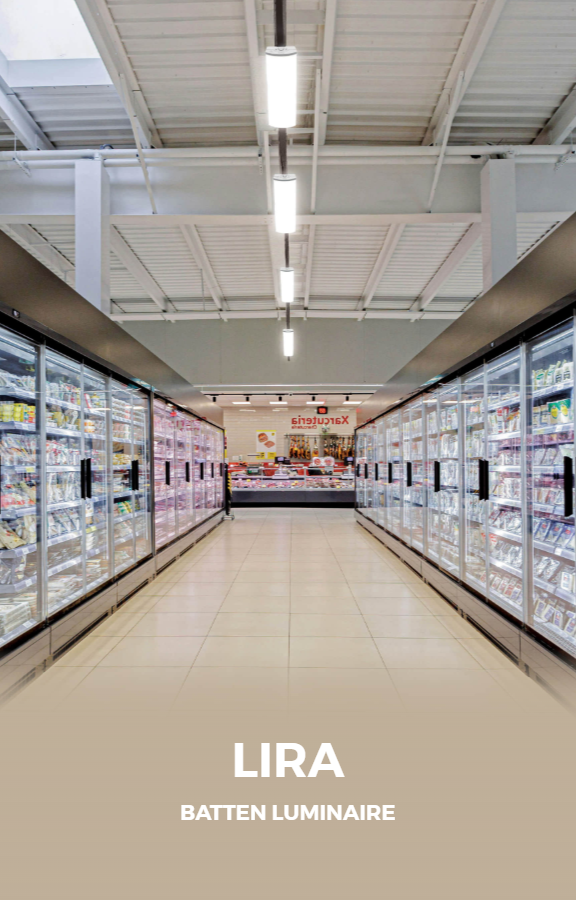
Problem: Lighting that looks great on paper but fails in practice
You’re pacing the floor, visualizing a clean, modern space—but the lights make everything flat, glarey, or dim where it matters. That’s the betrayal: specifications can promise brightness, but fixtures that don’t control distribution or resist humidity kill the design and the comfort. I’ve seen this in projects big and small, and at trade shows like the Guangzhou International Lighting Exhibition where real fixtures revealed real shortcomings. If you’re sourcing fixtures, start with the right partners—think track lighting manufacturers—and look beyond specs to how a led triproof light behaves day one and year three.
Why it happens: misread spec sheets and poor placement
Too many teams fixate on lumen numbers and ignore beam control, CRI under real-world angles, and environmental sealing. Slim fixtures tempt you with low-profile aesthetics, but if the optics are cheap you get hot spots or washed textures. Drivers tucked behind thin housings overheat. Wet or dusty zones demand IP-rated bodies; otherwise corrosion and loss of output follow. That’s the technical truth. Know what to check: lumen maintenance, IP/IK ratings, color consistency, driver thermal limits.
Fixes you can apply immediately—fast, practical moves
Move. Measure. Match. Quick checklist you can use like a workout routine:- Measure actual task illuminance at counter or desk height before finalizing fixtures.- Choose optics with controlled beam spreads for shelving and worktops.- Specify CRI ≥ 90 where color accuracy matters; use tunable white only when the control system will actually be used.- For humid or dusty zones pick IP65-rated slim fixtures or properly sealed led triproof light designs.- Separate thermal load: pick drivers rated for ambient temperatures above your ceiling cavity.Do the basics right and the room performs. Push decisions now—don’t defer to “we’ll tweak later.”
How to pick between slim fixtures, track, and triproof options
Compare by use, not by trend. Slim linear LEDs win for clean sightlines and general ambient light. Track excels when you need adjustable accent light on products or artwork. Led triproof light performs where robustness matters: warehouses, parking, corridors, and damp back-of-house areas. Evaluate on three plain factors:- Purpose: accent, ambient, or utility.- Environment: dry, damp, or dusty.- Maintainability: accessible drivers and replaceable optics.If you need both finesse and durability, blend systems: slim linear for display aisles and triproof for service corridors. That hybrid keeps the space crisp and the operations reliable.
Common mistakes teams keep repeating
Stop doing these. They waste budget and morale.- Picking lowest cost LEDs and hoping optics will save them.- Ignoring lumen depreciation and expecting perpetual brightness.- Over-relying on tunable white without a plan for controls or user behavior.- Mounting fixtures by sight instead of measuring task-plane illuminance.Each mistake is fixable. Call it out early and reassign the decision to someone who inspects mockups at scale.
One practical spec sheet to demand from suppliers
Ask for this concise packet and don’t accept partial answers:- Tested lumen output and L70/L90 maintenance projections.- Delivered CRI and CCT with measured binning data.- IP/IK ratings and a driver thermal derating table.- Photometric files (IES/LDT) and a simple mounting/maintenance diagram.Hold suppliers to it. If they balk, move on.
Finish strong: the performance outcome you should expect
Bring the energy. When you remove guesswork, spaces become clear, staff work easier, and products present honestly. That comes from pairing slim design with the right rugged fixtures and proven suppliers. Years of specifying commercial lighting taught me that consistent distribution, proper sealing, and serviceable drivers matter more than the latest styling. For a partner that blends clean slim profiles with dependable hardware, consider the practical solutions from trieco as a quiet part of your design that keeps projects on track and spaces performing.