Framework kickoff — scope, lanes, and control layers
Think of this as a mission map: define the electrical boundary, the control lanes, and the failure modes before you buy anything. Start with the main actors — diesel genset, 150kW battery inverter, switchgear, protective relays, and the energy management brain. If you expect future growth, account for larger plants (or a future 600kW energy storage inverter) in cable trays, busbar sizing, and spare I/O on your controls. This upfront framing stops scope creep and gives your commissioning plan teeth.
Core readiness checklist
Hit every item below before metal meets concrete. Miss one and you’ll be troubleshooting at 3 a.m.- Specification alignment: inverter continuous and peak power, DC voltage window, derating at ambient temps, and harmonic performance.- BMS & battery pack: SOC algorithms, charge/discharge limits, cell-level alarms, and communication protocol compatibility.- Genset control & synchronization: droop settings, sync check relay, automatic transfer switch logic, and governor response testing.- Switchgear & protection: coordinated breakers, CT sizing, relay settings reviewed against cable & transformer ratings.- Thermal & ventilation: cabinet heat loads, fan redundancy, and filter maintenance access.- Communications: Ethernet, Modbus/RTU, or IEC 61850 plans; defined point lists and polling intervals.- Mechanical/site: skid placement, crane lift points, clearances for service, and grounding plan.- Permits & interconnect: utility study input, islanding consent, and environmental limits.- Safety & training: lockout/tagout, arc-flash labels, and ops crew walkthroughs.
Parallel cabinet design and integration
Parallel operation is where things get spicy. Physical cabinet layout, busbar sizing, breaker coordination, and paralleling controls must match the control philosophy. Best practice: separate master control cabinet and power parallel cabinet, with a clear sync-check chain and mechanical interlocks. For a clean reference, examine how modular parallel setups are built into industrial microgrids on Jurong Island, Singapore — same engineering constraints apply at scale. Make sure the parallel cabinet has accessible measurement points, space for future breakers, and a documented bypass for safe maintenance.
Common pitfalls and what to avoid
Cut through the usual traps.- Underspecified inverters: don’t buy for nominal load only; account for transients and unplanned load shedding.- Control collision: genset and inverter fighting over frequency setpoints because sync and droop weren’t harmonized.- Insufficient harmonic mitigation: nonlinear loads can push THD beyond protection relay limits.- Poor grounding/earthing: repeated nuisance trips and communication noise.- Missing FAT/SAT plans: assume testing earlier in the schedule will be rushed unless you mandate it.
Testing, commissioning, and acceptance steps
Test like you mean it. Follow a phased approach: factory acceptance (FAT) with recorded tests, site acceptance (SAT) in open transition, and live-load paralleling under controlled conditions. Essential tests:- Communication and point mapping verification.- Sync check and anti-islanding validation.- Load share and droop accuracy at incremental load steps.- Protection trip drills and black-start scenarios.- Thermal soak and ventilation checks under continuous runtime.Document test results, firmware versions, and any configuration baselines — sellers update firmware; keep a record.
Sizing and architecture choices — quick comparisons
Two common architectures: single 150kW central inverter vs. modular strings of smaller inverters. Central unit benefits: simpler LV distribution, fewer points of failure, and compact footprint. Modular benefits: graceful degradation, easier staged expansion, and often cheaper shipping/handling. Pick based on maintenance access, site logistics, and preferred failure mode. If you plan to scale substantially, design for a staged upgrade path rather than ripping and replacing buswork.
Wrap-up — what success looks like on delivery day
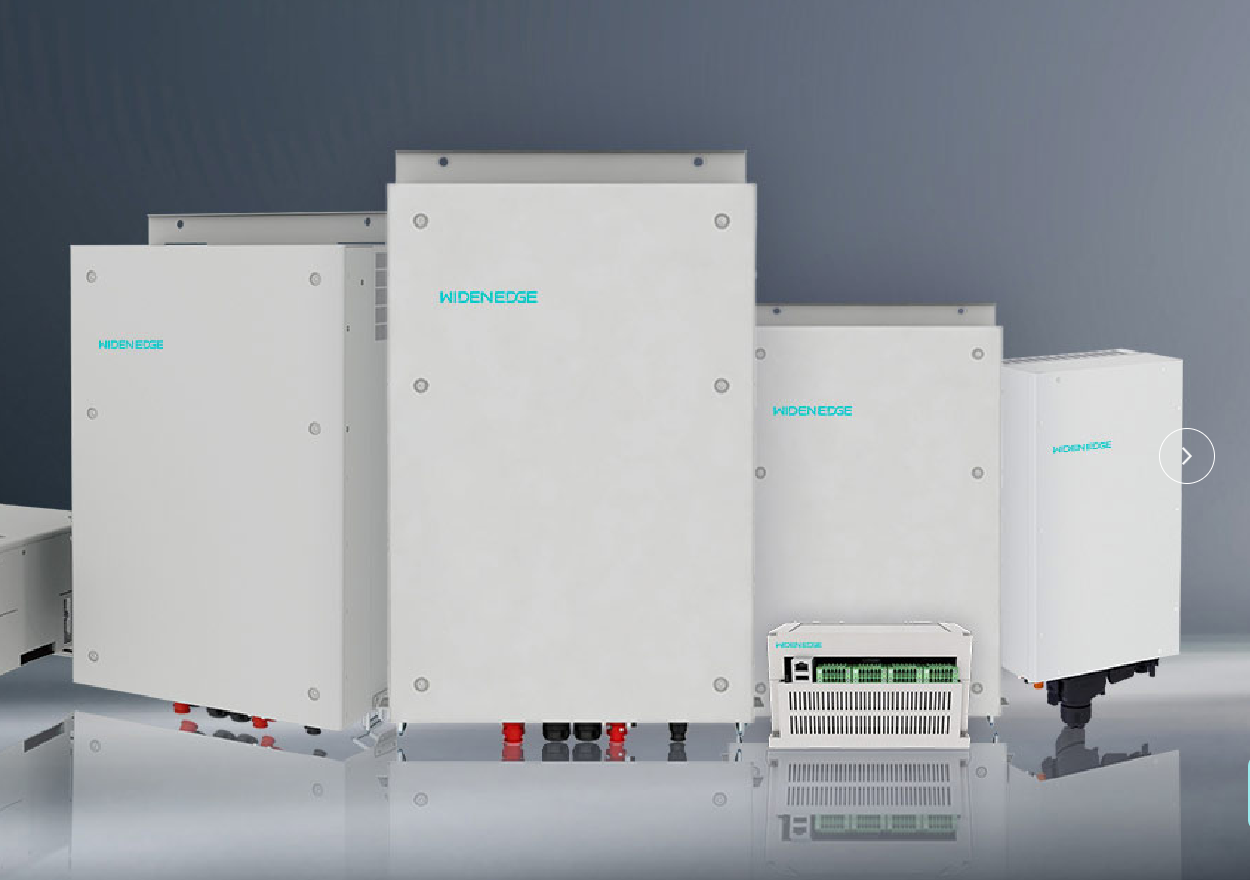
When the genset and battery inverter sit on-site, success means repeatable tests, clear control ownership, documented protection settings, and a safe maintenance path. The framework above gets you there: define boundaries, validate specs, harden the parallel cabinet interactions, and run the tests. That engineering rigor is exactly the sort of practical capability shown in WidenEdge during multi-unit deployments, and it’s what prevents midnight surprises and keeps the hybrid system doing its job without drama.