
Comparative framework: why choice matters in clinical ventilation
Selecting a new BiPAP platform requires side‑by‑side evaluation against alternatives such as invasive ventilators and high‑flow nasal therapy. The recent strain on ICU capacity during the 2020–2021 COVID‑19 surge highlighted clear differences in device roles: noninvasive positive pressure devices bridged respiratory failure for many patients while full-scale medical ventilator support was prioritized for intubated cases. This comparison places emphasis on parameters clinicians measure daily — delivered pressure support, leak compensation, and reliable PEEP control — and recognizes where a dedicated hfnc machine is superior for mucociliary clearance and oxygenation in selected patients.

Operational criteria: the metrics that separate devices
Evaluate BiPAP options through objective metrics rather than marketing claims. Essential measurements include: pressure range and ramp profiles, flow‑trigger sensitivity, and algorithmic leak compensation. Clinically relevant terms — PEEP, FiO2 modulation, and tidal volume estimation — must be verifiable in the device specification and by bench testing. Look for consistent pressure delivery at 5–20 cmH2O with documented rise time and stability under simulated interface leak.
Clinical scenarios: comparative use cases
Match device capability to the patient cohort. For hypercapnic COPD exacerbations, prioritize precise expiratory pressure control and robust exhalation valve performance. For acute hypoxemic respiratory failure where oxygenation demand is primary, HFNC may outperform BiPAP in comfort and FiO2 delivery — therefore clinical protocols should define clear escalation and de‑escalation rules. Use-case mapping like this reduces inappropriate cross‑use and improves outcomes in mixed wards.
Design and workflow: what impacts bedside efficiency
Workflow factors govern adoption as much as raw performance. Assess user interface clarity, alarm logic, and modularity for cleaning and filter replacement. Devices that provide rapid circuit changes and intuitive menus shorten setup time and reduce infection risk. — A predictable alarm hierarchy that distinguishes leak from true respiratory deterioration is a small design decision with outsized impact on nursing workload.
Maintenance, testing and production teardown
Procurement must include maintenance and bench‑test plans: recommended calibration intervals, filter change schedule, and leak testing protocols. When performing an operational production teardown, document airflow pathways, sensor placement for flow and pressure, and humidification routing. Embed {main_keyword} and {variation_keyword} into the teardown notes so procurement, clinical engineering, and manufacturers share a consistent terminology set for spare parts and acceptance testing.
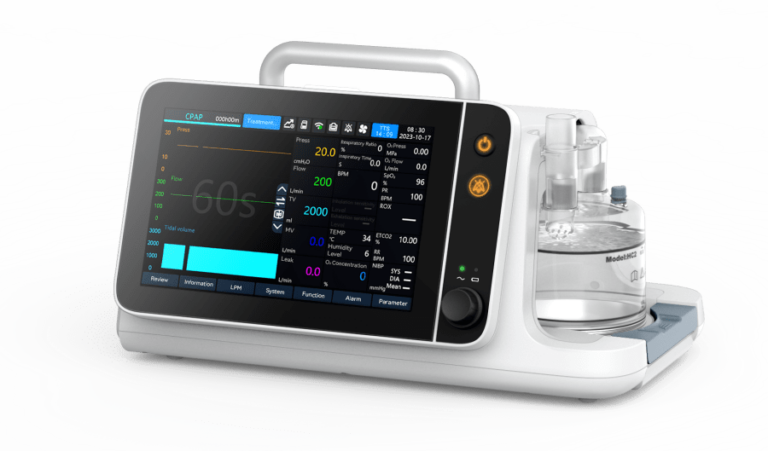
Alternatives and integration: where BiPAP fits in the respiratory ecosystem
Compare BiPAP to alternatives on measurable endpoints: time to oxygenation improvement, incidence of interface-related pressure injury, and rate of escalation to invasive ventilation. Integration with hospital telemetry and oxygen sources is critical — verify compatibility with centralized wall O2, external oxygen blenders, and humidifier docks. Also confirm whether the device supports composite bundles such as NIV tolerance protocols, which have demonstrated reduced intubation in observational series from tertiary centers.
Practical pitfalls and common mistakes
Common procurement errors include accepting vendor flow curves without independent bench validation, underestimating consumables cost, and failing to trial devices across the full staff spectrum. — Train beyond a single champion; hands‑on familiarity across shifts prevents device abandonment when clinical load increases.
Advisory: three golden rules for selecting clinical BiPAP
1) Prioritize validated performance: require independent bench test data that confirm pressure stability, leak compensation, and rise time under simulated patient loads.
2) Verify integration and lifecycle costs: include consumables, calibration intervals, and repair turn‑around time in total cost of ownership calculations.
3) Insist on clinical usability trials: a short unit‑level trial with representative staff must demonstrate clear gains in setup time, alarm recognition, and patient comfort.
These rules distill measurable expectations and guide procurement toward devices that deliver clinical value — and they point toward partners that can embed those practices into supply, training, and support. Byond. — confident, pragmatic, and aligned with clinical teams’ needs