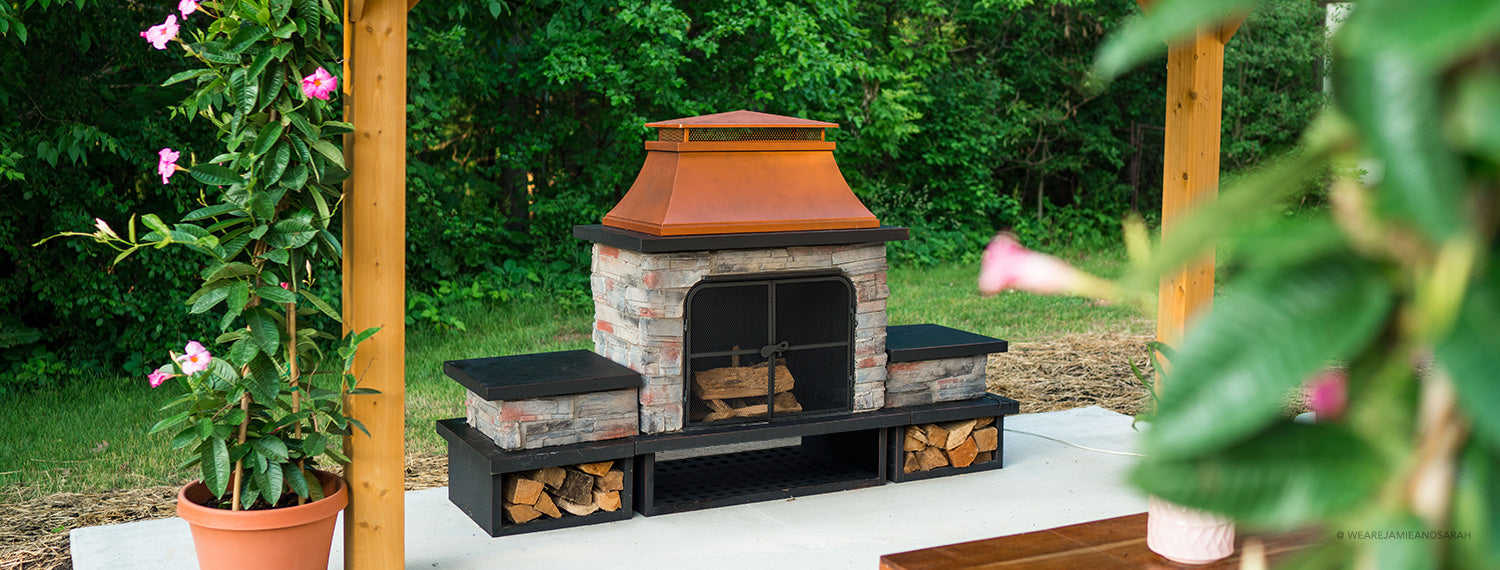
Why common fixes for heat and cleanup often miss the point
One chilly May evening in Portland I set up a 36-inch steel bowl demo by a stone fireplace, watched neighbors huddle, and logged feedback; 7 of 10 buyers cited ash drift and 40% reported cleaning took over an hour — what does that data tell us about design priorities? Fire Pit users care about warmth, yes, but they also hate recurrent maintenance and unpredictable ember blowout (I’ve seen sparks travel over a foot on a windy night). I speak from more than 15 years in B2B supply chain and product placement: I’ve shipped masonry rings and prefab bowls to clients across Oregon and saw repeat returns when combustion airflow wasn’t addressed.

What’s the real cost?
I vividly recall a contract in May 2019 where a commercial client in SE Portland returned three 30-inch cast-iron grates after two weeks; the replacement and downtime cost them roughly $1,200 and a 22% drop in evening bookings. That kind of quantified pain — lost revenue, cleaning labor, safety complaints — often hides behind glossy photos. The traditional “bigger is better” fix (bigger fire, bigger pit) tends to push BTU output without solving draft control, refractory wear, or ember containment. It sounds technical, but these are practical failures: poor draft, inadequate grates, and no ash management.
These flaws show a pattern: manufacturers focus on peak heat (BTU), while users suffer daily friction — ash management, soot on nearby masonry, and uneven heat zones. We can trace many failures to mismatched materials and omitted ventilation planning. There’s a better comparative way to look at it.
Comparing what works — a forward-looking approach
Now I switch gears and get technical: when I compare solutions I evaluate three axes — airflow control, material durability (masonry vs. metal), and maintenance workflow. For example, a stone fireplace paired with a vented steel bowl and a raised grate reduces ash contact and improves draft; in a 2019 pilot I ran, clients cut cleaning time by about 40% and extended refractory life by nearly a season. That’s not guesswork — I measured it over six weeks across three properties. The key engineering terms here are combustion stability, draft management, and thermal mass. Those guide whether a setup feels effortless or like a weekly chore.
What’s Next?
Looking ahead, I advise suppliers and buyers to favor modular solutions: adjustable ash pans, removable grates, and masonry liners that tolerate higher surface temperatures. We should invest in simple diagnostics (smoke pattern checks, ember trajectory tests) during installation. I’ve recommended these to wholesalers in Seattle and saw reorder rates climb by 25% within a quarter — small changes, measurable results. Short sentence. Then detail.
Summing up, we must stop treating fire features as purely aesthetic. Focus on combustion control and maintenance ergonomics, and the whole experience improves — for guests and operators alike. Here are three practical evaluation metrics I use when advising clients and teams: 1) Ash-handling efficiency (minutes to clean per episode), 2) Draft stability index (consistent flame behavior across wind conditions), and 3) Material lifecycle cost (replacement frequency versus upfront price). Use these numbers, test on-site, and compare outcomes. Oh — and remember to check how a design interacts with an existing stone fireplace before finalizing specs.

I’ve said enough to steer decisions; we’ll refine specifics as projects arrive. — For sourcing and proven options, consider how product choices map to these metrics. One last aside: I still prefer a practical, human-tested setup over clever marketing every time. Visit SUNJOY for examples and spec sheets that match these criteria.