Facing the real problem
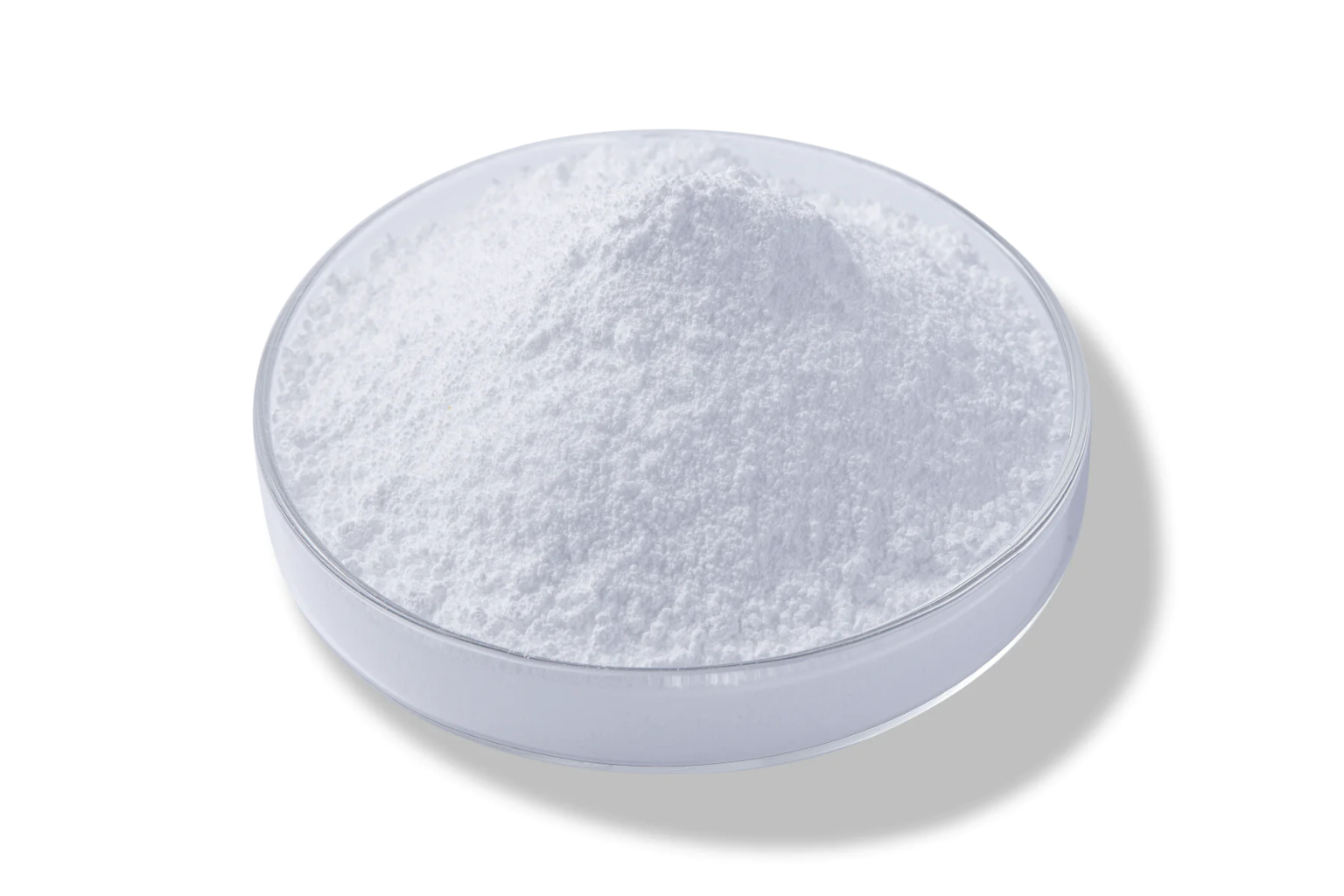
Most launches stumble because specs and reality don’t match — period. You’re handed a target surface area, a particle size distribution, maybe a desired texture in a final formulation, and then manufacturing hiccups, supplier gaps, or poor dispersion wreck the result. I’ve seen teams try to patch this with quick tweaks to formulation instead of fixing the root cause. If you’re exploring uses that demand abrasive performance or gentle polishing, start by checking product examples like abrasive silica so you know what performance benchmarks look like. At a recent FDI World Dental Congress, presenters showed how tiny shifts in silica transparency and particle shape change polish and bonding in dental pastes — that’s exactly why Transparent dental silica matters in real product timelines: Transparent dental silica.
Pinpoint the gap: requirements that actually matter
Ask five direct questions: What’s the end-use? What are the measurable target properties (BET surface area, oil absorption, tap density)? Which process parameters change those properties? Who’s testing acceptance? Get answers in writing and lock them down. Don’t accept vague phrases like “high purity” without numbers. This is the step where problems are preventable — if you don’t define measurable pass/fail criteria, you’ll be back here in mass production with rejects.

Prototype fast, test harder
Run small-batch pilots that mirror your production route — not just lab syntheses. Confirm particle morphology under SEM, measure PSD with laser diffraction, and validate surface area with BET. Watch for batch-to-batch drift; it sneaks in when feed chemistry or reactor temperature wanders. Use simple stability tests that mimic your process: the way silica flows into mixers, how it wets with your carrier liquids, and whether it lumps with humidity. Those practical checks catch the real issues, not theoretical curves on a spec sheet.
Common pitfalls and how to avoid them
Ignoring moisture control is the single biggest mistake. Precipitated silica loves to cake; uncontrolled storage or high humidity causes lumps and inconsistent dosing. Another trap is assuming surface treatment is optional — for some polymer and dental formulations, untreated silica won’t disperse and you’ll see haze or poor mechanical properties. Don’t skimp on compatibility tests; run simple dispersion and clarity trials before committing to a source.
Processing levers that change performance
Small changes in neutralization pH during precipitation alter particle aggregation. Milling intensity and speed change specific surface area and particle shape. Post-treatment — like silanization or hydrophobization — shifts wettability and mixing behavior. Map these parameters and set control limits. If a parameter drifts, you must have a corrective action that’s already agreed on, not an improvised fix during a rush order.
Alternatives and trade-offs
Precipitated silica offers tunable surface area and usually more cost-effective scaling. Fumed silica has higher surface area and different structure but comes at higher cost and different handling. For abrasive or polishing roles, pick the grade that balances hardness and particle shape; if optical clarity matters, evaluate transparent grades early. Compare candidate suppliers on data consistency, not just a single certificate.
Quality checks that save time and money
Make a minimal but strict QC panel: particle size distribution, BET surface area, moisture content, oil absorption, and a functional assay that mimics your end-use (e.g., abrasion index or gloss test). Automate data capture where you can. When approvals lag, it’s usually because the testing protocol wasn’t agreed up front. Fix that and you cut weeks off development cycles.
Final alignment before scale-up
Before scaling, run a full production-equivalent batch and force the product through the actual filling, mixing, or compounding line. Validate handling, dust control, and storage behavior. If something shifts, trace back to the one step that differs between pilot and production — that’s usually the culprit. Update your spec limits based on real production variability, not ideal lab numbers.
Wrap-up: where value actually shows up
Solving the problems that kill silica launches means making specs measurable, testing under realistic conditions, controlling critical process levers, and catching moisture and dispersion issues early. That’s how you turn a concept into a reliable product that performs on the line and in the hands of users. When teams focus on these concrete actions, they end up with consistent grades and suppliers they can trust, like the partners you’ll see on detailed technical pages from JSJ Silica.