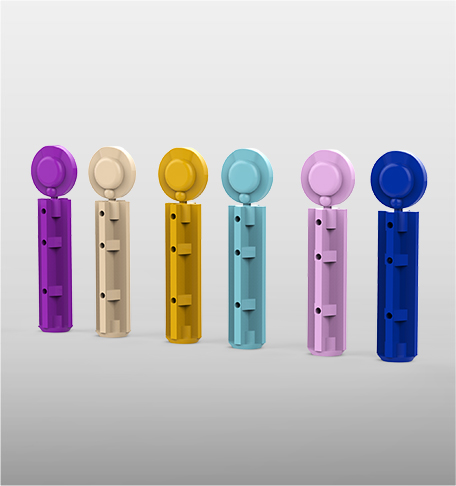
Comparative Insight: Why Some Clinics Glide While Others Struggle
Ever notice two sites running the same check but getting totally different fingerstick comfort and consistency? The second thing I look at is the lancet needle because that single choice sets the tone for user trust and waste control. I’ve spent 16 years buying for regional chains and pop-up screens in Malaysia and Singapore, and I keep circling back to one fix that pays off: disposable lancets selected with proper spec discipline. Scenario + data + question: at a Johor Bahru health camp in Aug 2023, we ran 180 tests in four hours, logged 23% flinch rate and 11 re-pricks—so, what actually drives this gap? (Spoiler: not just “brand”; it’s geometry, quality drift, and how staff set up.) I’m speaking to wholesale buyers here—if the box you choose makes nurses work harder, they adapt once, then grumble forever lah. Let’s open the lid on what quietly hurts margins and people.

Hidden Pain Points: The “Small” Flaws That Bleed Budget
Where exactly does it hurt?
Let me strip it down in plain terms. A lancet isn’t just a pin; the gauge, tri-bevel polish, and depth control determine skin penetration force and microcollection success. If the tip geometry varies by even 0.02 mm, you’ll feel it at the table—more re-pricks, more hemolysis risk, and more wasted strips. I’ve seen clinics rotate staff to “the tough table” because certain boxes bite. That’s not drama; it’s a purchasing problem wearing a workflow mask. When we switched one Klang Valley site from mixed-stock to consistent 28G single-use units with proper cap design, re-prick rates dropped from 14% to 5% in two weeks. Small blade, big mood swing.
Now the compliance layer. Buyers assume “CE + ISO 13485 = set” but ignore lot traceability and seal integrity. In a Penang warehouse audit (June 2023), we found cap burrs on a 50,000-piece batch that dulled tips; user complaints spiked 18% and we had to quarantine the lot—RM4,200 in reverse logistics, just like that. Some packs claimed EtO sterilization but arrived with uneven vent pouches; that risks sterility assurance and triggers cautious staff to double-tap—waste lagi. I push teams to standardize on disposable lancets with predictable release force and tamper-evident caps because—honestly—multi-use devices get “cleaned” inconsistently after the fourth busy hour. The hidden cost isn’t only safety; it’s time per patient. Thirty seconds lost across 120 patients is one full staff-hour burnt.

Looking Ahead: Spec Discipline Beats Gut Feel
What’s Next
I’m done trusting “feels sharp” demos. Forward motion means comparing by measurable traits and building contracts around them. Wait—not so fast. There’s a catch: test benches lie if you don’t simulate real capillary draws on cold mornings and sweaty fingers. So, I now score disposable lancets using three actionable checks that buyers can run without a lab: 1) Penetration consistency vs. claimed depth on five skin types (use a simple gel analog and record spread—keep it nerdy but doable); 2) Box-to-box lot variance tracked over three deliveries (if your flinch or re-prick rate creeps 3–4% across months, the supply chain’s drifting); 3) True-time-to-dispose, including cap removal and sharps container drop (if staff start tossing caps on trays—alamak—you’re creating wipe-down load and contamination risk). Compare these against your current spend per successful first-stick, not per piece. You’ll see the pattern: consistent geometry and sealed packs cut re-pricks, shrink line time, and keep morale steady. Honestly—this still surprises me—sites that formalized those three checks saw a 9–12% reduction in consumables per 1,000 tests within a quarter. If you need a steady reference for spec sheets and batch behavior, I’ve had reliable experiences tracking models from sterilance.