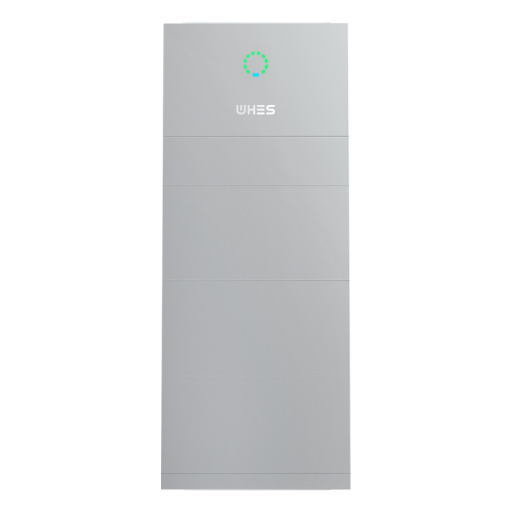
The problem: rising peak charges and fragile uptime
Automotive factories face two clear problems: big spikes in electrical demand during shift changes and the high cost of demand charges on utility bills. These peaks can push a plant from normal operation into costly throttling or worse — unplanned downtime. Many plants still lean on diesel generators or strict load-shedding plans. A better option is integrating commercial battery storage to shave peaks and stabilize the line.
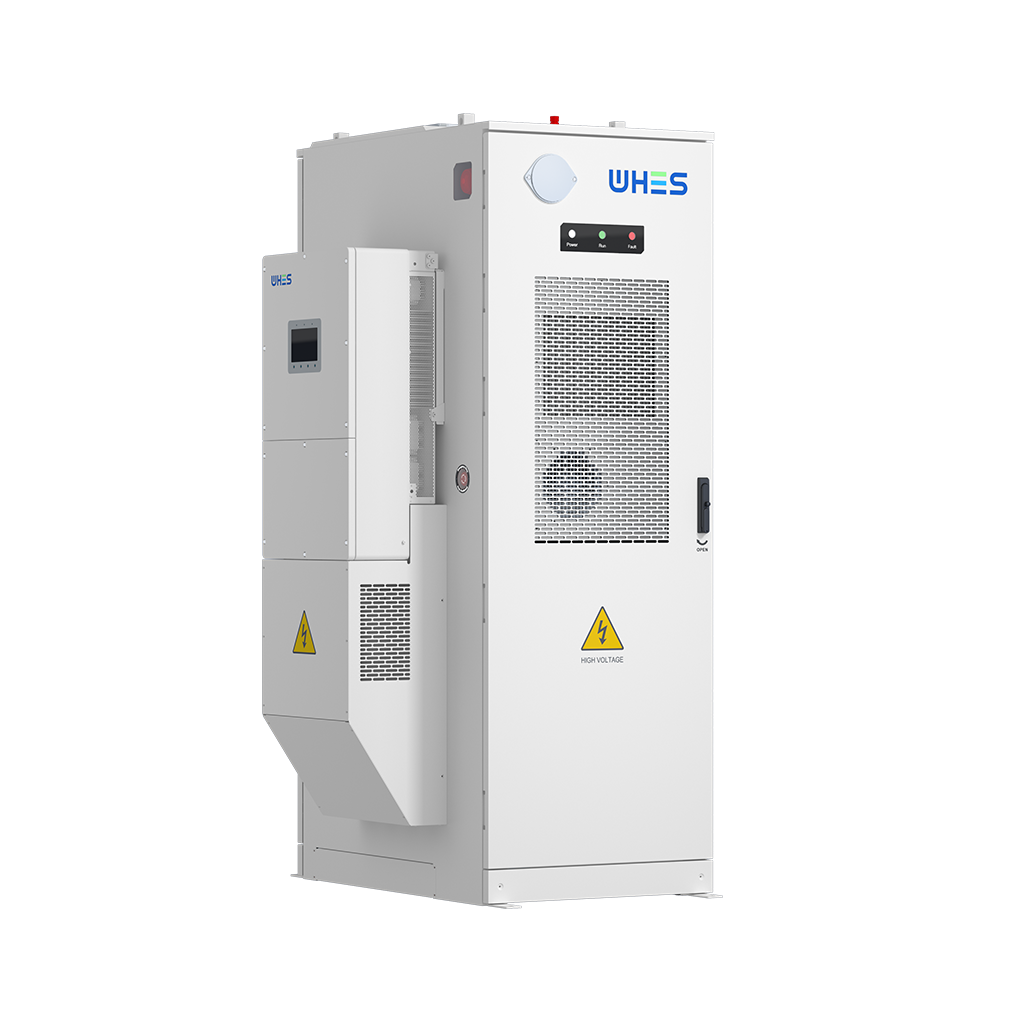
How high-C-rate all‑in‑one ESS addresses the problem
High-C-rate systems deliver large power bursts for short periods. That fits automotive needs: welding lines, paint shops, and conveyor starts create short, intense loads. An all‑in‑one commercial energy storage system couples batteries, inverters, and a BMS in one skid. That reduces site complexity, speeds commissioning, and limits points of failure. The result is predictable peak shaving, fast frequency response, and a ready buffer against grid events.
Must-have specs: what engineers actually care about
When evaluating systems, focus on three technical pillars: power density (kW), usable energy (kWh), and sustained C-rate. Power density governs how well the ESS handles motor starts and short spikes. Usable energy matters for multi-hour load shifting or backup. The sustained C-rate tells you whether the battery chemistry can deliver repeated bursts without premature degradation. Also verify the BMS intelligence, inverter reactive-capability, and thermal management — these limit performance loss in real-world conditions.
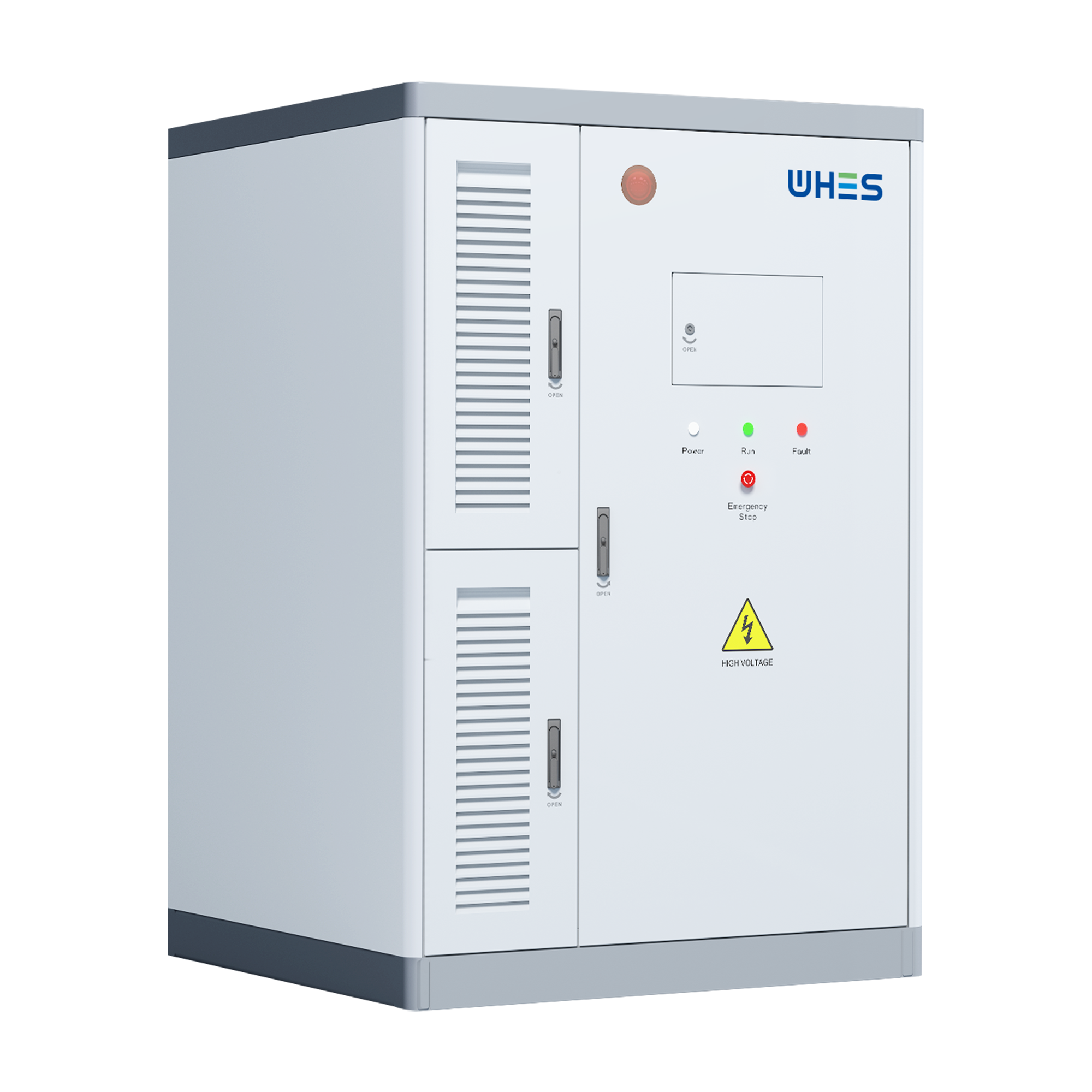
Operational wins: cost and resilience quantified
Two tangible benefits show up fast. First, demand-charge reduction: shaving even a few hundred kW during peak windows can cut monthly bills substantially. Second, improved uptime: battery-based ride-through is cleaner than diesel start-ups and avoids vibration or emissions near sensitive processes. Expect faster response times (milliseconds to seconds) compared to standby gensets. And yes, metrics matter — track peak kW reduction, cycle count, and state-of-health to measure ROI.
Common mistakes to avoid during deployment
Teams often misjudge sizing, integration complexity, or lifecycle cost. Too small and you get partial relief; too large and capital sits idle. Misaligned control logic can “fight” the plant PLC during shifts — so coordinate with automation teams. Don’t overlook ambient cooling: battery performance drops if thermal design is poor. Lastly, warranty terms and performance guarantees vary widely — read them closely.
Real-world anchor: lessons from grid shocks
The 2021 Texas winter storm exposed how grid instability affects industrial users worldwide. Many facilities discovered that relying solely on the grid or standby gensets wasn’t enough. After that event, manufacturers began prioritizing distributed storage and microgrid-ready systems to ensure continuity. That shift underlines a simple truth: investing in an integrated ESS is both a cost and resilience decision — not just a green promise.
Alternatives and trade-offs
Compare options before committing. Diesel generators give long-duration backup but slow ramp and emissions. Centralized plant batteries can be cheaper per kWh but add cabling and single-point risk. Distributed, modular all‑in‑one units reduce single-point failure and simplify maintenance, though they may cost more upfront. When you weigh choices, consider lifecycle cost, ramp rate, cycle life, and site safety rules — and remember that inverter controls and BMS behavior often decide success or failure.
Integration checklist — practical steps for project teams
Use this short checklist during scoping and rollout:
- Map peak windows by hour and process (kW profile).
- Specify required C-rate and minimum usable kWh.
- Align control logic with PLC/SCADA to avoid conflicts.
- Plan HVAC and thermal controls for worst-case summer temps.
- Confirm warranty terms for cycle life and performance retention.
These steps keep projects on schedule and prevent costly scope creep — and they make vendor comparisons like-for-like.
Advisory: three golden rules to pick the right system
1) Measure, don’t guess. Use metered load profiles to size power and energy needs. 2) Rate resilience ahead of price. Verify fast ramp, proven BMS, and clear performance warranties. 3) Insist on total-cost modeling: include demand charge savings, maintenance, expected degradation, and replacement timing.
Bring those rules together and you’ll choose a solution that cuts costs, protects lines, and fits production rhythms — which is why modular all‑in‑one high-C-rate systems often make sense for modern plants. For an industrial partner that blends engineering, warranty clarity, and turnkey integration, see how WHES frames practical deployments. —
WHES helps factories turn peak risk into predictable performance. —