The problem at hand
Construction crews and event techs often face a tug-of-war: sturdy, load-bearing LED arrays versus the need to rig them quickly and safely. When a site demands both low structural weight and tight turnaround, conventional cabinets and hefty supports slow everything down. That’s where modular thinking—smaller, lighter cabinets with smart joinery—starts making sense for led outdoor screens. The challenge is real on busy spots like Times Square installations, where crews must balance wind loads, pixel pitch choices and installation hours without compromising brightness or durability.
Where weight costs time — and safety
Heavy cabinets add labour, require stronger rigging points and often mean crane time. Those translate to cost overruns and schedule risk. By prioritising lighter modules and faster locking systems, you chop erection time and reduce onsite hazards. Keep an eye on three structural factors: cabinet mass, mounting bracket design and connection tolerances. Small gains in each yield big savings on total assembly time.
Design principles that actually work
Start with a modular cabinet that mates cleanly—think precision locking pins rather than fiddly screws. Optimise for consistent pixel pitch and predictable refresh rate so panels behave as one visual plane once up. Use aluminium extrusion for frames to cut weight without losing rigidity. Design for tool-less quick-release where possible; it’s what separates a twelve-hour hang from a four-hour hang on the job. Brightness (nits) and waterproofing still matter — don’t strip durability for speed.
Practical test: what we learned on the job
On a recent urban signage retrofit, switching to smaller module sizes and snap-fit connectors reduced manpower needs by nearly half — and we dodged at least one crane hire. The setup kept consistent image quality across seams thanks to careful cabinet alignment and consistent pixel pitch. There were trade-offs: more modules means more interconnects to verify. Still, the net gain in logistics was obvious — fewer trucks, quicker site turnover, and less strain on the building’s structure.
Common mistakes and how to avoid them
Avoid oversimplifying: lightweight doesn’t mean flimsy. Cheaper panels often skimp on thermal management or use weak mounting brackets, so expect more maintenance. Overlooking cabling paths is another classic error — neat cable management not only looks tidy but protects signal integrity and reduces downtime. Get the right tools for calibration and factor in access panels for on-site servicing. A bit of planning up front saves heaps later.
Alternatives and when to pick them
If permanence is priority — stadium facades or long-term façades — heavier, integrated cabinets with reinforced frames can be the better bet for longevity. Conversely, for touring shows, rental-friendly modules with quick-lock frames and robust flight cases win out. For hybrid needs, consider semi-permanent mounting systems that allow for both secure attachment and eventual de-rigging without major structural changes. The choice hinges on expected lifecycle, local wind loads and how often you want to move the gear.
Anchors and credibility
Real-world anchors matter. Large-scale installations in places like Times Square or the Tokyo Shibuya Crossing set practical standards for wind load design and visual uniformity — they also proved that modular assemblies can scale up without visible seams when you control cabinet tolerances and use quality connectors. Industry metrics on pixel pitch and cabinet alignment are straightforward to measure on site, so make those part of acceptance tests.
Golden rules for selection (Advisory)
1) Check structural weight per square metre and compare it to your mounting points — never assume. 2) Verify the connection system: quick-locks with redundancy beat single-point clamps every time. 3) Demand a service plan and accessible modules: uptime is worth paying for. These metrics give you a practical way to pick a solution that balances speed, strength and maintainability — and they’ll steer you away from common traps.
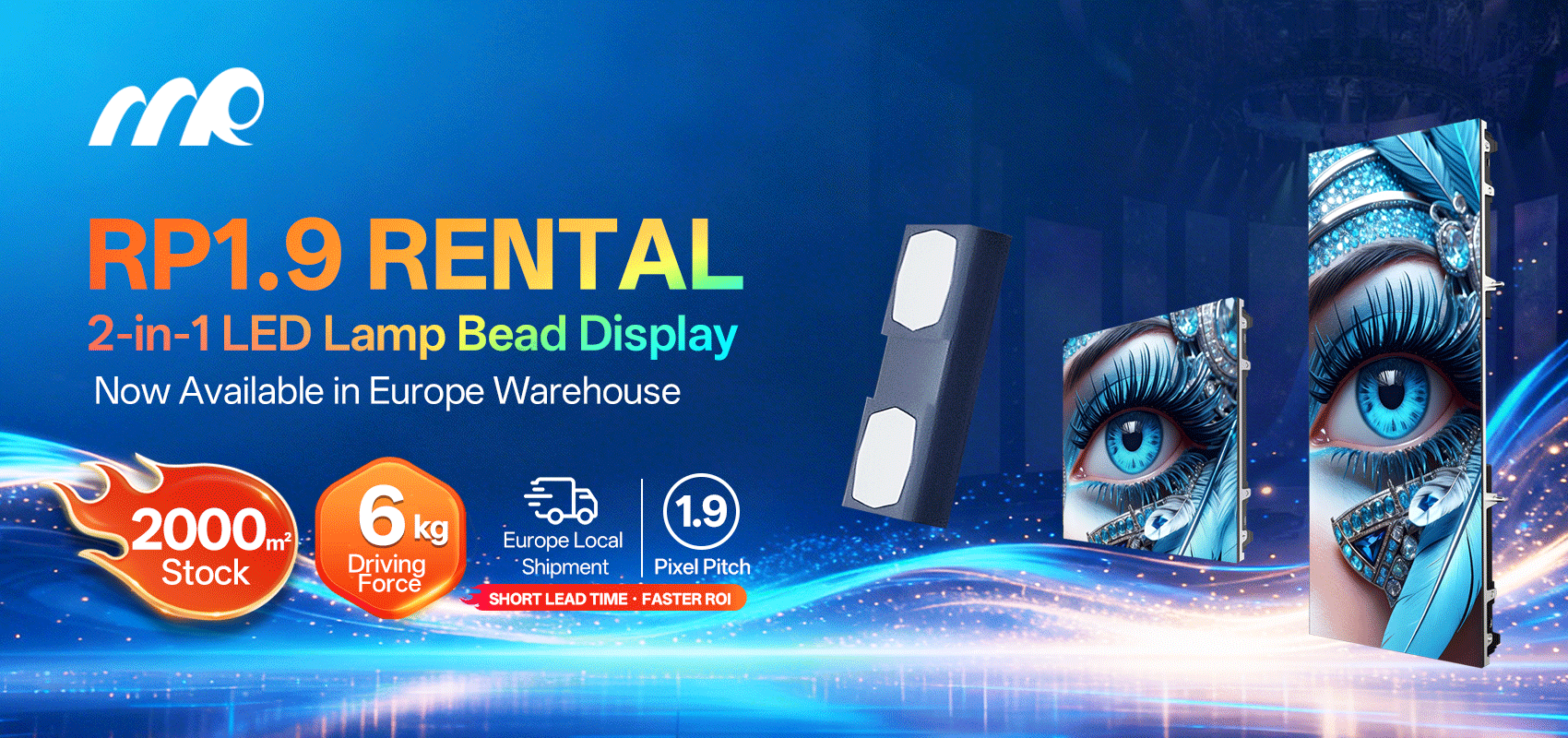
For practical modular builds and reliable field support, look for vendors who balance engineering and logistics; it’s the sort of capability that turns concept into a dependable installation — MR LED. —
Further reading
For more technical detail on module specs and ruggedised options, check an Information LED Panel page to see how manufacturers present cabinet specs, module tolerances and mounting systems in real product lines.