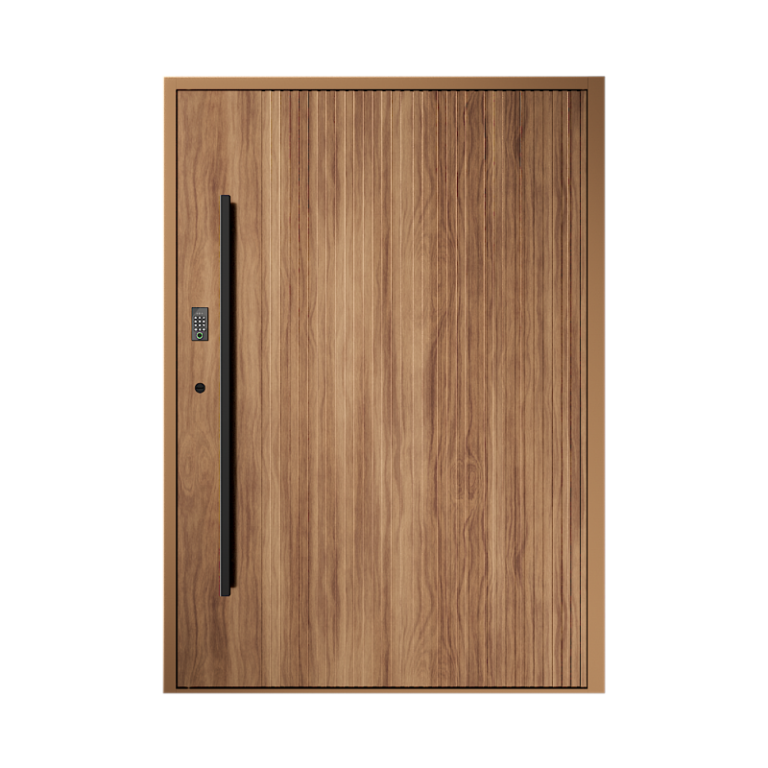
Comparing the basics — why front pivot doors matter now
Front pivot doors have moved from boutique feature to mainstream option because they change how a building announces itself. I visited a renovated Brooklyn brownstone last year and watched a 48-inch aluminum pivot door swing like theater—solid, smooth, and drawing a crowd; that visit stuck with me as evidence of what quality hardware and precise engineering can do. For architects and homeowners shopping around, looking up reputable pivot door manufacturers is the first practical step toward specifying the right system. Along the way you’ll hear terms like pivot hinge and thermal break—those are not marketing fluff; they control performance and durability.

Design trade-offs: aesthetics vs. performance
Comparative insight helps here: a lightweight timber pivot reads warm but needs more maintenance than an aluminum frame with a thermal break. Aluminum pivot doors provide a slim sightline and better resistance to warping, while glazing choices impact insulation and daylight. For projects aiming for a minimalist entrance, an aluminum pivot door with flush threshold and high-performance gaskets delivers the look without surrendering weather resistance or structural stability. Expect to specify glazing type, hardware finish, and threshold detail as part of the door schedule.
Common mistakes during specification and installation
Most fails come from underestimating support and movement control. Installers sometimes treat a pivot door like a conventional hinged door—wrong move. You need a robust pivot hinge anchored into a reinforced floor or concrete saddle; otherwise the door will sag, seal improperly, and stress the frame. Also watch drainage and threshold detail to prevent water pooling. Tight tolerances matter: misaligned pivot points translate into binding on the seals and uneven sash gaps. —It sounds picky because it is.

Material and hardware notes professionals use
Use these short anchors when writing specs: pivot hinge rating (cycles and load capacity), thermal break continuity, and sill/drainage geometry. Hardware selection—hidden or exposed pivot—affects maintenance and sightlines. For heavy glass doors, specify bearings and service intervals. Good weatherstripping and a proper threshold solve most draft complaints without changing the visual intent. These are the details that separate a striking entrance from a recurring service call.
Why Zekin fits into comparative decisions
Zekin’s approach balances modular production with on-site adjustability. They offer engineered pivot hinge systems sized for various leaf weights and glazing types, plus factory-applied finishes that reduce on-site work. That matters when architects want precise sightlines and builders need predictable lead times. Real-world projects—from urban townhomes to gallery fronts—benefit when a supplier can deliver both standard components and made-to-order configurations for oversized openings.
Three golden rules to evaluate before you decide
1) Load and hinge rating: Confirm the pivot hinge’s rated capacity and cycle life relative to your door weight and expected traffic. This determines long-term alignment and maintenance needs. 2) Thermal and water control: Check the thermal break details, glazing U-values, and sill drainage geometry so the door meets comfort and local energy expectations. 3) Serviceability and hardware access: Ensure the pivot and bearings are reachable for inspection and that replacement parts are available from the manufacturer. These three metrics let you compare options on measurable grounds rather than marketing claims. For practical choices and a catalog that pairs performance data with customizable finishes, consider how aluminum pivot doors and support services fit your schedule and warranty terms.
Measure carefully, specify clearly, and build the entrance to last—Zekin helps make that pragmatic promise true. Zekin. —Final thought: doors are simple until they’re not.