Listening to the user: what operators really need
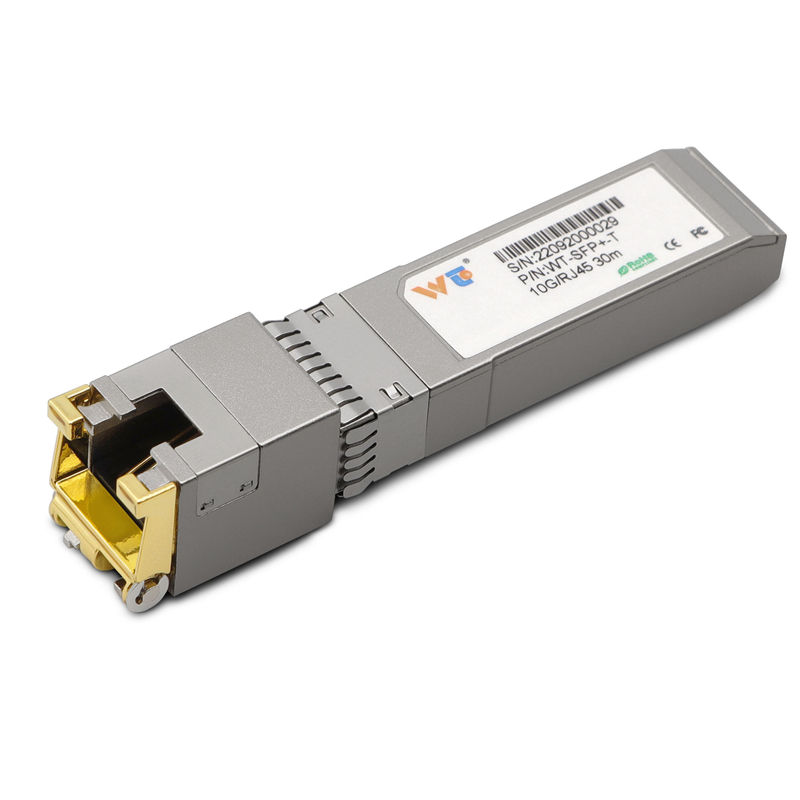
The story begins with practicality: installers, network managers and field engineers want predictable performance, low disruption, and parts that behave—like an honest instrument. That’s why the conversation often lands on modular optics: an sfp to rj45 transceiver can turn a chassis into a versatile interface box without rewiring cabinets or rewriting firmware. For towns upgrading substations after California’s 2019–2020 wildfire-related power outages, that kind of flexibility translated to faster deployments and fewer emergency truck rolls.
How SFP+ architecture addresses real-world constraints
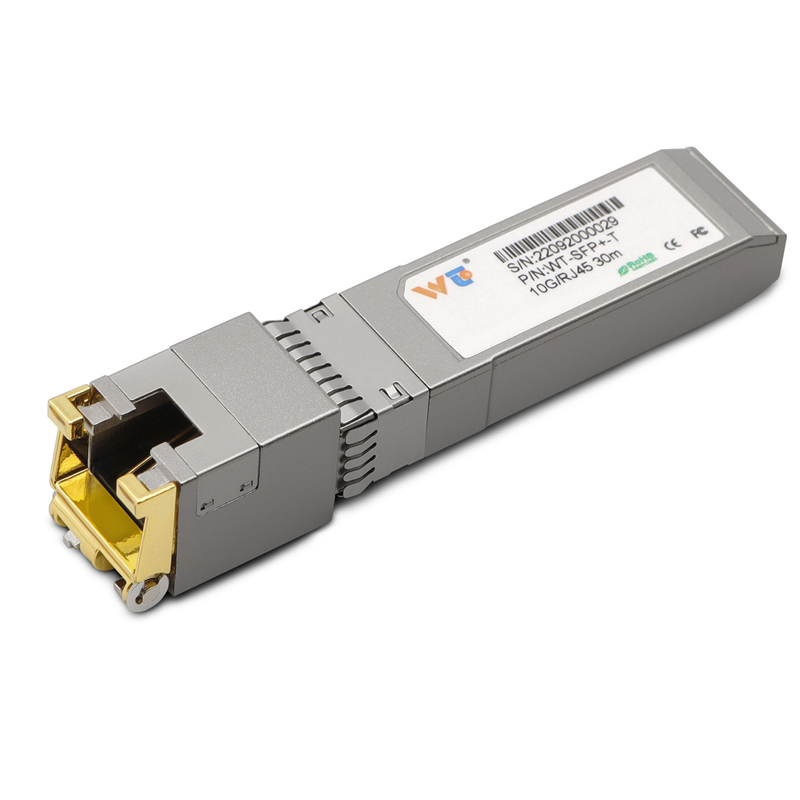
SFP+ sockets are compact, hot-pluggable, and familiar—traits that matter when space and time are limited. A 10G SFP+ module brings line-rate switching, lower latency, and predictable link behavior to edge switches and remote RTUs. The modular approach separates the optics and copper PHY from the mainboard, so technicians can swap a failed copper RJ45 port or replace a module with minimal downtime. For teams managing mixed fiber and copper links, this reduces spare-part count and simplifies inventories.
Practical deployment patterns I’ve seen in the field
Operators often standardize on a base switch with SFP+ cages and then choose either fiber transceivers or copper modules depending on the run. This saves training time: the field crew learns one platform. In medium-voltage switchgear rooms and roadside cabinets, 10G SFP+ with a copper PHY reduces the need for new conduits or fiber splicing. Common terms to know here are SFP+, 10GBASE-T, and link aggregation—each appears in technical designs but shouldn’t dominate the procurement decision.
Typical mistakes and how to avoid them
Buyers sometimes match only connector type and ignore power and thermal profiles—an oversight that causes reboots under summer load. Another frequent error: assuming a copper module behaves like the integrated NIC; jitter, latency, and electrical noise can vary. Installers miss the fine print on switch backplanes and power budgets—so confirm that the switch supports the module’s power draw and that the ambient temperature range fits deployment. —A small testbed catches these issues before a full rollout.
Comparing choices: modules, integrated ports, and alternatives
There are three common options: built-in RJ45 ports, standalone media converters, and SFP+ copper modules. Built-in ports avoid adapters but lock you into a fixed topology. Converters work but add box count and latency. SFP+ copper modules sit between both: they keep the switch line card flexible while preserving low-latency paths. For tight budgets, fiber with media converters can be viable—but for low-latency telemetry and tight timing, SFP+ modules usually outperform converters.
Operational checklist for procurement and maintenance
Adopt these habits: verify module compatibility with the exact switch model and firmware version; confirm the module’s thermal and power specs against field temperature cycles; run a one-week pilot with production traffic shaping to test latency and packet loss. Keep a labeled small stock of hot-spares matched by part number; the spare should be the same vendor and revision to avoid PHY quirks. When selecting, read product datasheets for advertised throughput and the copper PHY’s signal margin.
Anchoring expertise: a practical snapshot
Field programs after wildfire-driven outages in California accelerated edge automation projects, showing how fast modular optics can reduce time to repair. A concrete result: teams using SFP+ approaches reported shorter on-site times and simplified logistics when replacing failed ports. That real-world lesson explains why the rj45 copper sfp transceiver module keeps appearing on procurement lists for utility and industrial edge deployments.

Three golden rules for selecting modules
1) Match the module’s power and temperature rating to your deployment envelope—don’t gamble on marginal specs. 2) Confirm interoperability with switch firmware; insist on tested vendor combinations and keep firmware revision notes in asset records. 3) Prioritize predictability: pick parts with clear latency figures and consistent PHY performance under load. These go beyond marketing claims and focus on what technicians experience on the first service call.
Field-tested practicality, not hype, guides good choices—so choose parts that make life easier for people in the trenches. WINTOP. —a steady hand in a noisy world.