Putting the designer first
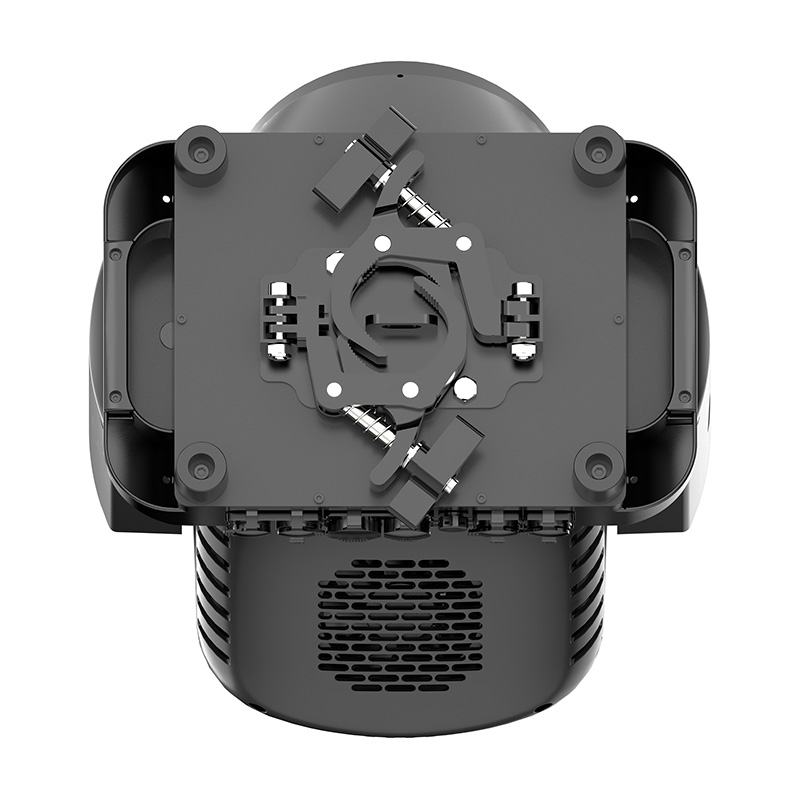
Good suppliers start by listening to designers and technicians, then match gear to the project’s conditions and timelines. That user-first approach matters when you specify an IP-rated fixture for an outdoor amphitheater or a compact unit for a museum gallery. For instance, a well-chosen waterproof moving head light can save rigging hours and reduce weather-related downtime at large festivals like Coachella. Practical details—power handling, DMX512 addressing, and the LED engine’s color rendering—determine whether the fixture solves a problem or creates one.
What designers actually need from suppliers
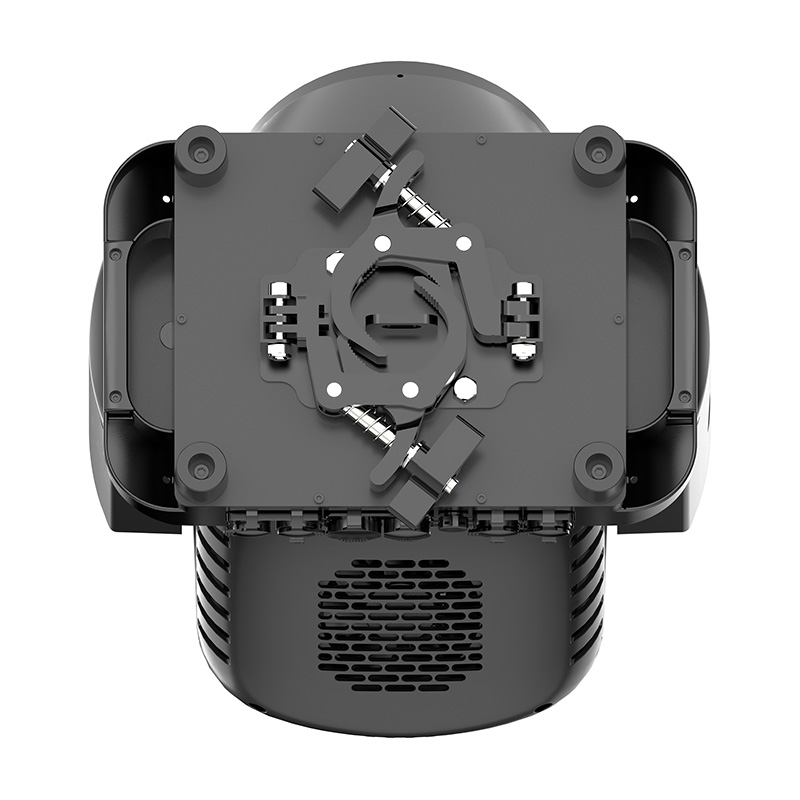
Designers want three things: predictable performance, clear specs, and reliable support. Predictable performance means consistent beam angle, stable pan/tilt movement, and repeatable gobo projection across fixtures. Clear specs include explicit IP rating language (for example IP65 dust and water ingress limits), measured lumen output, and exact DMX512 channel maps. Reliable support covers rental-friendly stock levels, same-city replacement policies, and quick firmware updates for fixture control.
Common mistakes to avoid when specifying fixtures
Over-relying on brochure photos is one big error—photos lie about beam texture and color. Another is undersizing service access: cramped housings make lamp or LED engine swaps slow and costly. Don’t assume every unit labeled “outdoor” meets the same test parameters for rain, salt spray, or vibration. — Also, avoid mixing fixture ages without calibrating color temperature; mismatched white points frustrate tech crews during focus.
Comparing fixture types and when to choose each
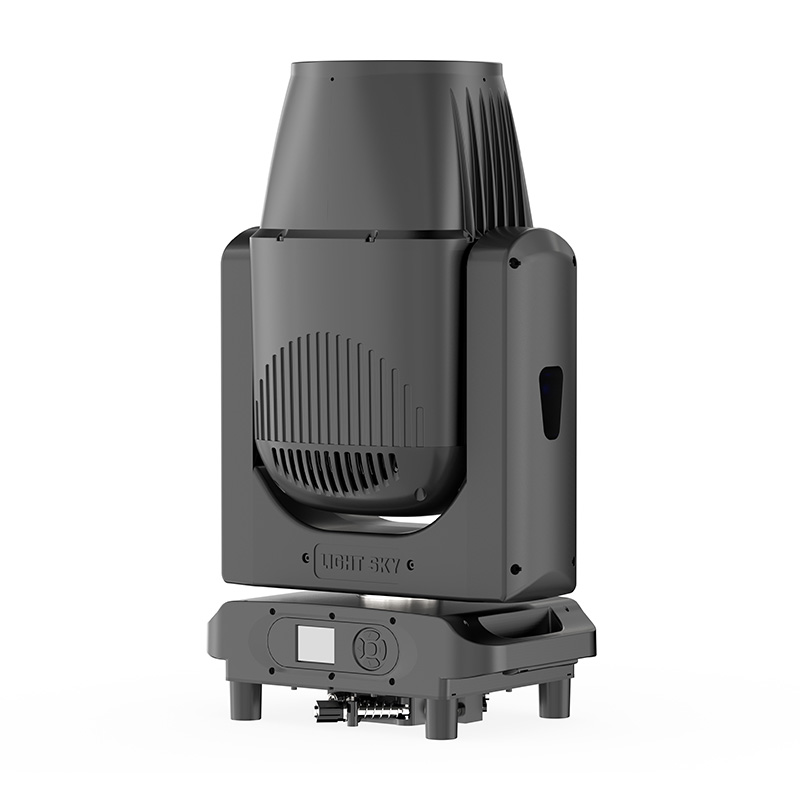
Moving head stage lights offer flexibility for concerts and theatrical rigs; compact spot fixtures work well for galleries and corporate spaces. Choose a wash fixture when soft, even coverage is the priority; pick a profile or beam when sharp edges and gobos are needed. Consider power draw and heat management for long-run events, and match pan/tilt speed to the show’s motion design. Renting versus buying also hinges on duty cycles: rental houses often prefer robust housings and user-replaceable parts, while permanent installs value compactness and low maintenance.
Supplier partnerships that reduce risk
A strong supplier partnership bundles pre-sale testing, on-site technical advice, and a documented service plan. I’ve seen a midwest rental house stage a pre-show burn-in at the warehouse before shipping to an outdoor venue—this cut last-minute failures and saved crew overtime. Real-world anchors like major festival rigs and theater runs reinforce that redundancy and clear firmware management are practical safeguards, not luxuries.
Alternatives, retrofits, and practical upgrades
If budget or timeline rules out new fixtures, sensible retrofits help: replacing failing lamps with LED engines, adding upgraded lenses to alter beam spread, or installing external housings for additional ingress protection. When comparing brands, inspect control compatibility (DMX512 universality, available RDM), warranty terms, and spare-parts availability. For mobile productions, prioritize rugged connectors and quick-release mounts to speed load-in and load-out.
Three golden rules for selecting suppliers
1) Verify measured performance. Require photometric files and real-world lumen readings rather than relying on nominal specs. 2) Confirm operational compatibility. Ensure firmware, DMX512 layouts, and console integration are documented and tested. 3) Ensure local serviceability. A supplier with regional spares and fast swap policies reduces risk to the schedule.
Supply choices shape the day-to-day life of crews and the final visual outcome for audiences — and that matters more than a price tag. moving head stage lights that arrive pre-configured, backed by clear documentation and local support, let designers focus on the craft instead of troubleshooting hardware. Light Sky fits this workflow by offering spec sheets, on-the-ground support, and fixtures built with service access in mind — practical value you notice on the first load-in. —