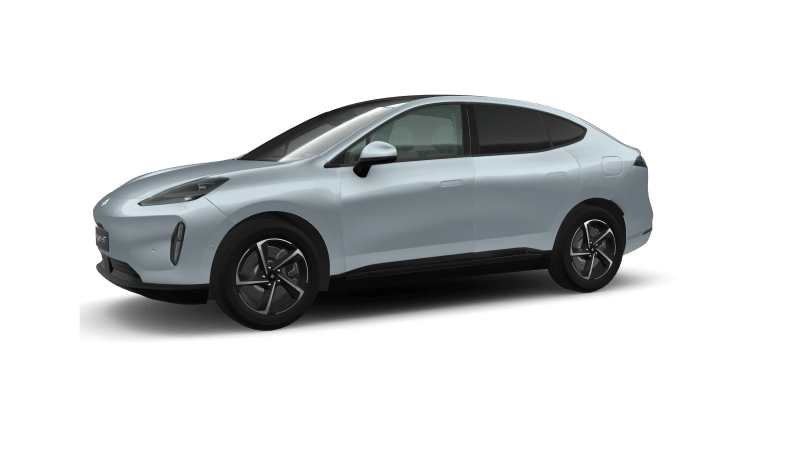
Immediate problem: availability feels murky to buyers
You’re interested in the Aion Y but you’re not sure how to find one, who will service it, or whether importing makes sense — that uncertainty is the core problem. That confusion is common when a brand is newer to European markets and when official dealer maps are partial. If you’re scanning classifieds or dealer listings, also check regional trade announcements; GAC has promoted models at major shows like IAA Mobility in Munich, which signals growing intent and dealer interest. For a quick look at inventory channels, some online dealer listings label new arrivals under GAC for sale, which is useful when tracing supply paths.

Why availability looks uneven
Three practical reasons explain the patchy presence: limited initial imports, staggered homologation across countries, and dealer prioritization of key markets. Expect stronger availability in bigger EV hubs first — think Germany, the Netherlands, and Norway — because those markets handle higher EV volumes and aftersales demand. Rather than guessing, check local registration lists and country-specific homologation notices to confirm whether a specific trim is permitted for road use.
Support and service: real constraints and workable solutions
After-sales service often determines whether ownership is practical. Problems you may face include parts lead time, diagnostic software access, and warranty clarity. Workable responses:- Ask prospective sellers for a clear warranty document that names the legal warranty provider and coverage period.- Confirm whether distributors provide remote software updates or if updates require dealer visits.- Seek certified independent EV workshops in your region that offer diagnostics compatible with Chinese OEMs; many European workshops now carry universal diagnostic tools. These steps reduce the chance of long downtime when a repair is needed.

Import and registration pitfalls to avoid
Importing an Aion Y yourself can save money but creates paperwork risks: missing EU type-approval, mismatched headlights, and incomplete emissions or safety documentation can block registration. Practical precautions:- Get pre-verification from your national vehicle authority that the model can receive national plates.- Validate that the vehicle’s VIN corresponds to a homologated configuration or that a conformity certificate exists.- Budget for minor retrofits (headlight alignment, fog lamp changes) — they’re common and usually inexpensive when planned for.
Viable alternatives and quick comparisons
If availability or support looks thin in your region, consider mainstream European EVs or other Asian entrants with established networks. Compare on three clear axes: dealer density in your country, parts logistics (is there a regional warehouse?), and software update access. If one option has stronger local dealer density, it will typically beat slightly better specs that lack support access.
Actionable next steps you can take today
Start with these specific moves that reduce friction:- Contact at least two dealers in neighboring major markets and ask for stock and warranty paperwork.- Request a written service plan that explains parts shipping times and update procedures.- Join owner forums or local EV groups to surface common issues and trusted workshops.- If importing, get conditional approval from your registration authority before purchase.These steps prioritize low-risk information first, then move to logistics and community validation.
Simple synthesis
Problems around the Aion Y in Europe are solvable with methodical checks: verify legal compliance, confirm service pathways, and compare local support against alternatives. When you align those facts — availability, servicing, and registration — the decision becomes pragmatic rather than speculative, and that clarity is where GAC fits into the picture as part of an emerging supply-and-service network rather than an unanswered option.