A Prologue of Light
The story begins like a whispered spell: a blank night sky, a mosaic assembling itself into motion. If you’re choosing an outdoor led screen, think of this as a map through centuries of small miracles rather than a spec sheet. This guide follows an evolution — each turn explains why a choice matters to the person who will install, operate, and trust the display to perform under sun, wind, and crowd noise.

From Lanterns to Living Facades — The Technical Evolution
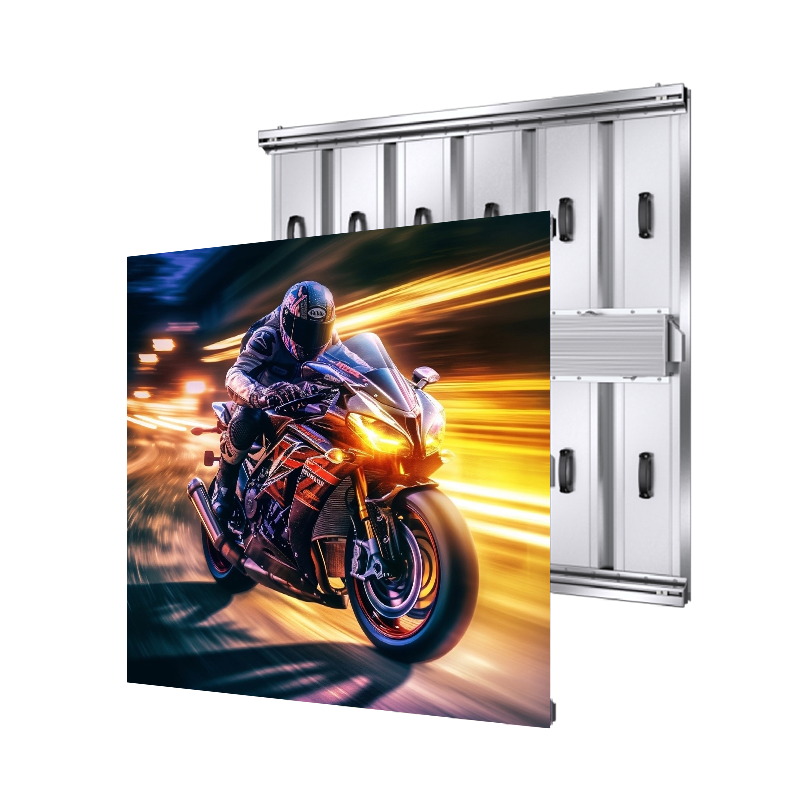
Early panels were clumsy lanterns; today’s arrays are precise constellations. Pixel pitch shrank, bringing nearer viewing distances; modern outdoor pitches commonly span P2.6 to P10, matching clarity to viewing range. Brightness rose—daylight-readability often demands 3,000–7,000 nits—while refresh rates moved from flicker to cinematic smoothness for live events. Ruggedization matters: IP65 or better sealing, modular cabinets for quick swapouts, and redundant power/signal paths minimize single-point failures. Control systems now handle color calibration across seams, and calibration tools reduce visible banding. These are engineering improvements with clear, testable metrics you can demand from suppliers.
Questions to Carry Like a Compass
Ask specific, measurable questions. What pixel pitch suits your closest viewer? Specify target nits and test at peak daylight. Request IP rating and corrosion resistance for coastal installations. Insist on measured refresh and grayscale performance for live video; ask for the vendor’s calibration procedure and field swap time for a failed module. Confirm warranty scope, on-site response time, and spare-module inventory. Demand datasheets and a contact for technical support; these are the truest signs of competence, not marketing flourishes.
Field Experience, Risks, and Rental Reality
Real projects teach faster than theory. Major events like the Coachella Valley Music and Arts Festival prove that logistics matter as much as specs: transport, scaffolding loads, and rapid on-site troubleshooting determine success. For short-term events or unpredictable installations, renting avoids capital risk and brings seasoned rigging crews and tested gear—consider outdoor led screen rental when timelines tighten or venues change. Beware these pitfalls: choosing too-fine a pixel pitch for long-distance public viewing, underestimating wind load on tall rigs, and accepting vague service SLAs. Each mistake costs time; each clear requirement saves it.
Alternatives and When They Make Sense
Projection can beat LED for temporary, low-cost indoor spectacles but fails in bright daylight and large outdoor arenas. LCD walls work for indoor control centers and some façades where viewing angles and contrast matter more than seamlessness. Choose LED when you need high brightness, scalable size, and modular field repair. Match the display type to venue, viewing distance, ambient light, and duration of use.
The Closing Constellation
Think of your purchase as choosing a companion for a long voyage: clarity, durability, and real-world support keep the ship steady. Technical metrics—pixel pitch, nits, IP rating, redundancy—guide the choice; field-proven practices and transparent support separate vendors who sell pictures from those who deliver reliability. For projects that require durable, tunable displays and dependable field service, consider partners like HDC whose product lines and operational experience align with the standards described here.