The Problem
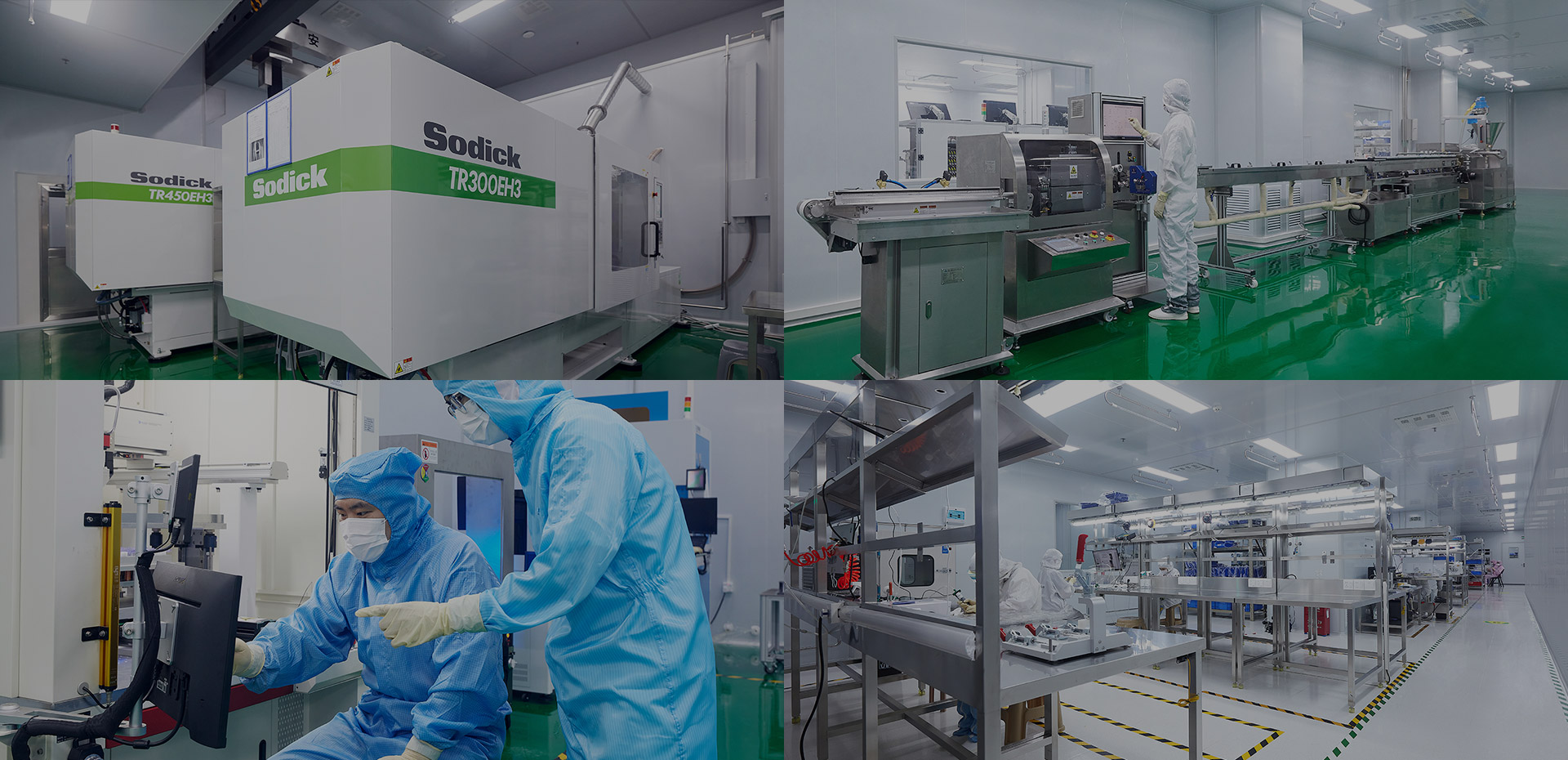
The press slams; the room exhales metal and polymer dust like an old cathedral breathing out prayer-smoke. That impact hides the real danger: tiny defects formed under enormous force become catastrophic in a hospital ward. When hundred-ton machines shape syringes, connectors, and implant housings on a medical device assembly line, the stakes are simple — dimensional fidelity, material purity, and traceable process control. I’ve audited production floors in Boston’s medtech corridor and reviewed FDA inspection summaries that made the point harshly: a single uncontrolled variable at press can ripple into recalls, patient harm, and regulatory findings. I’ve led validation teams, written process protocols, and seen how strict controls stop small failures from becoming disasters.
What Fails — and Why
High clamping force and rapid fill times mask three familiar failures: internal voids, gate-related stress fractures, and particulate contamination. Voids form when cooling is uneven; stress fractures grow from sharp flow fronts and inadequate radii; particles come from tooling debris, degraded resin lots, or poorly maintained filtration. Those failures aren’t mysterious. They result from neglected cycle validation, lax material lot control, and poor mold maintenance. Correct them with precise, measurable fixes — not hope.
Assessing Alternatives
Do you need a single hundred-ton press, or are alternatives safer and smarter? Consider insert molding for complex assemblies, multi-shot molding for integrated features, or precision CNC for low-volume, high-tolerance components. Insert molding reduces assembly joins but demands exact fixturing. Multi-shot lowers assembly steps but complicates mold design and process control. CNC removes melt-related defects but raises per-piece cost. Match the method to part function, volume, and cleanliness demands; don’t let tonnage alone decide.
Common Mistakes and Practical Corrections
1) Overlooking resin lot variance — track lot numbers, test viscosity and MFI, and keep a quarantine policy. 2) Skimping on mold vents — add controlled vents and validate venting with short-shot trials. 3) Ignoring gate design — use gates that reduce shear and balance fill; validate with flow simulation and empirical gate-pull tests. 4) Believing single-point temperature control is enough — instrument manifold and cavity temps with calibrated probes. 5) Neglecting clean-room discipline — enforce gowning, particle monitoring, and controlled airflow at the point of pack-out. Each mistake has a measurable counter: sample plans, maintenance logs, SPC charts, and mandatory requalification after any tooling change.
Quality Controls That Matter
Skip vague promises. Apply these controls and document them: establish material traceability from supplier certificate to lot; run process capability studies (Cp, Cpk) on critical dimensions; set cycle validation with thermal mapping and dwell-time verification; implement particulate and endotoxin testing where applicable; require first-article inspection and periodic in-line optical checks; schedule tool polishing and shot-blast cleaning on a calendar tied to shot counts. Use tamper-evident labels and electronic batch records to preserve a clear audit trail.
Validation and Operator Practices
Validation is mechanical and human. Qualify recipes with pre-run risk assessments, measure mechanical properties across production lots, and lock parameters into the machine controller. Train operators on the “what-to-watch” — sudden pressure spikes, rising clamp times, or drifting cycle energy. Create escalation rules: if a control chart breaches a limit, stop the run and hold the lot. Simple: detect, isolate, fix, document.
Final Synthesis
Heavy presses do precise work when you treat them like instruments, not black boxes. Reduce risk by enforcing material control, validating cycles, maintaining molds, and keeping operators empowered to halt production. Those disciplined practices turn a thunderous press into a reliable steward of patient safety — the exact outcome kingsin reflects through consistent quality systems and long-standing production discipline: kingsin.