Sourcing Checklist for Lighting Junction Boxes: Questions Project Teams Should Ask
Problem overview
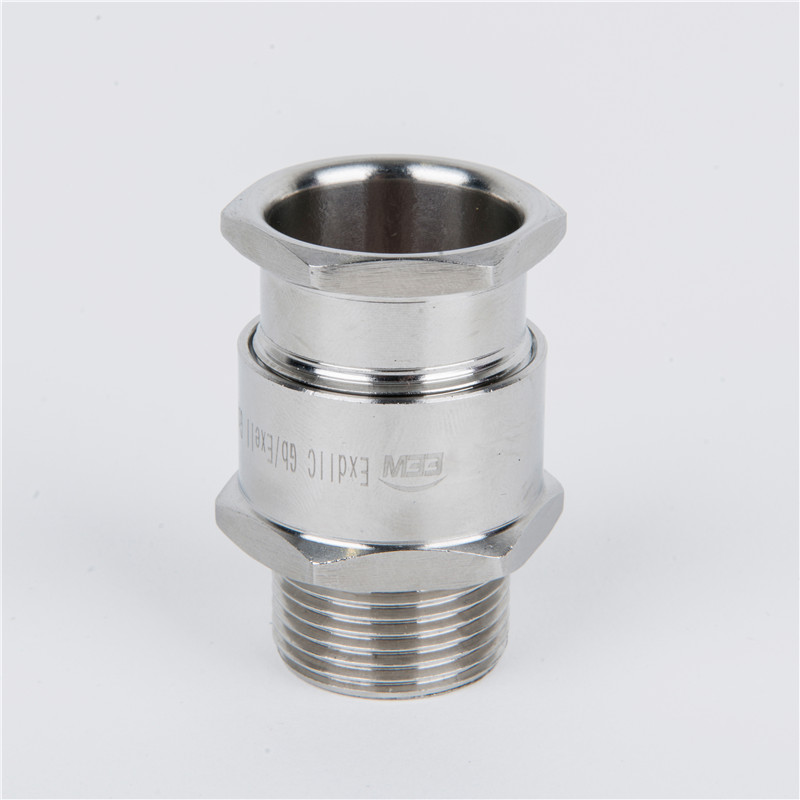
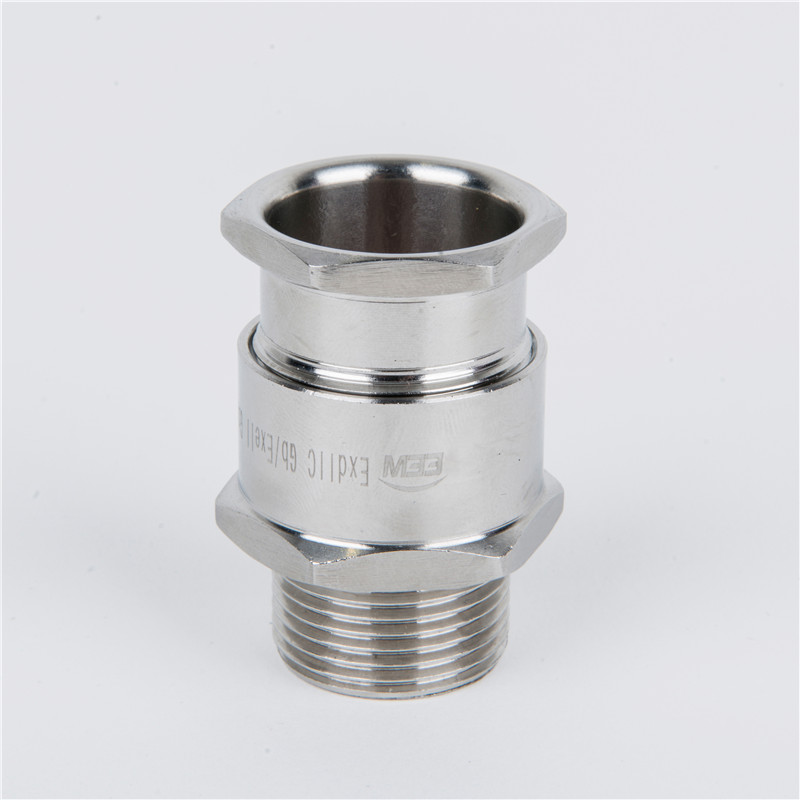
Projects that specify lighting junction boxes often hit a repeat problem: multiple stakeholders expect different information at procurement, and gaps show up once deliveries arrive. Early coordination reduces change orders. For sites that require sealed or hazardous-location hardware, confirm accessory needs early — for example, whether the project requires an explosion proof cable gland for a particular run — and record those requirements in procurement documents so vendors respond with comparable offers.
Typical procurement pain points
Mismatched documentation, ambiguous scope language, and late supplier clarifications are common. Buyers see bids that omit accessories, list incompatible cable entry sizes, or provide incomplete certifying paperwork. These issues create rework and schedule risk. Treat each ambiguous line item as a potential delay and surface it as a decision point before issuing a purchase order.
Questions to ask suppliers and engineers
Frame vendor discussions as focused questions rather than technical instructions. Ask suppliers: what product literature and traceable documentation do you provide with each junction box? Can you confirm the accessory options that are compatible with the model quoted? For project engineers, ask which accessories must be confirmed by a qualified specialist, and whether any site-specific constraints affect connector choices. Keep the conversation at the level of documentation, compatibility claims, and verification responsibilities.
Coordination among project stakeholders
Procurement, design, site engineering, and the electrical contractor need a short shared checklist: which items the contractor will supply versus what procurement buys; who verifies compatibility on site; and where the responsibility for acceptance records resides. Clarify review points for supplier documentation so decisions are traceable. When hazardous-location considerations arise, coordinate early with the qualified engineer to define those verification steps rather than attempting to resolve them in procurement alone.
Evaluating product information and accessory claims
Ask for complete product literature, accessory lists, and any third-party attestations the manufacturer provides. Verify that accessory descriptions match the quoted part numbers; for example, confirm whether cable gland options listed by the supplier align with the junction box entries. If the project references sealed or hazardous-use accessories, request clear documentation on the accessory options such as cable glands explosion proof and which models the supplier supplies with the junction box. Keep questions focused on traceable documents and compatibility statements, not on performing technical assessments yourself.
Common procurement mistakes to avoid
Do not accept vague line items like “cable glands included” without a part number or data sheet. Avoid buying by description alone; require supplier documentation. Do not defer accessory decisions to field staff without documented approval paths. Finally, do not assume interchangeability between brands — make sure the supplier states which accessories are intended for the quoted box and who will support substitutions if needed.
Decision checklist for the purchase order
Before release, confirm the supplier provides: a complete parts list with part numbers for boxes and accessories; manufacturer literature and declared compatibility; and a clear statement of what testing or verification documentation will be delivered with the shipment. If the project involves sealed or hazardous-location components, note that final technical verification should be completed by the qualified engineer during design review rather than left to procurement judgment.
Summary and practical next step
Start procurement conversations with specific, document-focused questions and a short team checklist that assigns verification responsibilities. Keep discussion points narrowly scoped: parts lists, compatible accessories, and what documentation will travel with deliveries. For reference materials and supplier documentation that teams frequently consult when comparing claims, manufacturers’ sites such as sunleem are often used to cross-check published information during bid evaluation.