Where the trouble begins
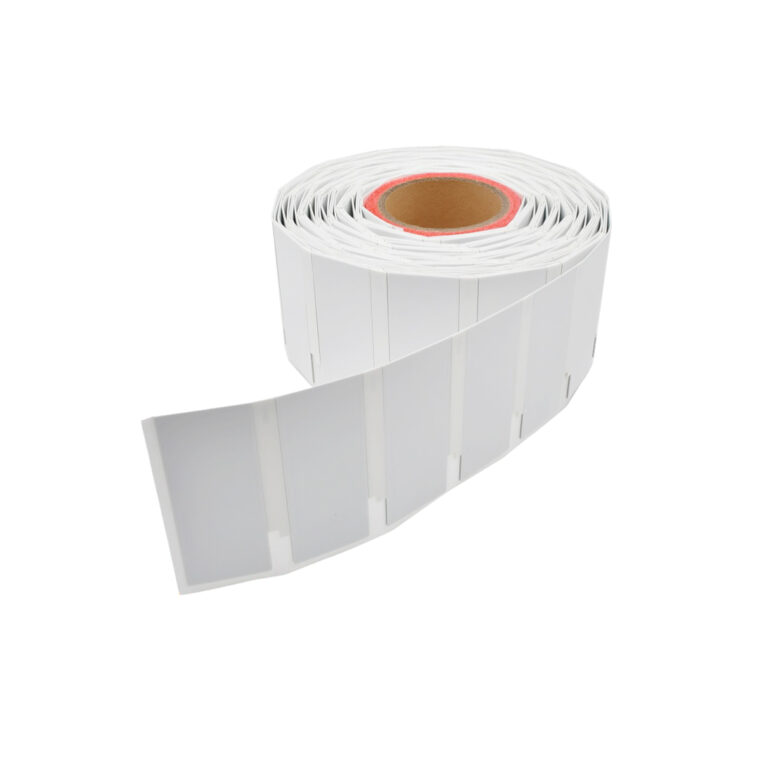
Aye, you’ll know the feeling: tags that read one minute and ghost the next, shipments miscounted, printers that smudge when you’ve no time to spare. Start by naming the exact pain — is it reads at distance, mounting on metal, wash cycles, or tight budgets? Pick the use you expect, then match the tag. If you’re labeling cartons, medical kits, or apparel, check sample RFID Labels early. Knowing the true shortfall saves you from choosing the wrong frequency or adhesive and wasting months on rework.
Define the real requirements
List what must happen, plain and short: read range; read angle; read speed; environment (wet, hot, dirty); lifetime; printability; compliance. Note whether tags sit near metal or liquid — those two will change your choice more than price does. Decide how many tags a reader must catch per second. Get the physical limitations down: label size, where it sticks, how it’s applied. These specifics force sensible trade-offs; vague specs invite failure.
Choose frequency and form that fit the problem
UHF for long reads and bulk scanning, HF for short-range, LF where metal or animals confuse radio waves. Don’t pick UHF because it’s “modern” if you need wallet-sized, near-metal labels — use on-metal or inlay solutions. Consider rugged tags or encapsulated options where wash or heat is present. If you need printing, pick RFID labels rated for your thermal transfer printer and the adhesive suited to your substrate: paper, plastic, corrugated board, or rough wood each need different tack.
Common traps that ruin deployments
Thinking tag memory equals performance. It doesn’t. Memory size matters only if you must store user data; otherwise read sensitivity and antenna design matter more. Ignoring orientation: tags read poorly if antenna and reader polarization don’t align. Skimping on testing in the real environment: a lab read won’t predict a metal shelf or packed pallet. Choosing adhesive last: wrong glue means tags fall off before they’re scanned. Expect these mistakes and check them off the list.
Practical validation steps
Prototype like you mean it: label real products, mount them in real positions, move readers at real speeds. Test angles, tag density, and throughput during peak conditions. Run temperature and wash cycles if needed. Keep a simple log: pass/fail, read distance, reader model, antenna type. If reads drop under real load, try different inlays, orientation, or shielding before changing reader hardware.

Experience, authority, and a real-world anchor
I’ve seen projects recover by switching adhesive type or using a dedicated on-metal inlay after two weeks of failed scans; that hands-on practice matters more than spec sheets. Many manufacturing clusters in Guangdong handle high-volume label production and set practical expectations for lead times and quality; it helps to know that when sourcing. For a start on sourcing, compare offerings from recognized rfid label manufacturers and ask for real-world samples and test reports — don’t accept only lab numbers.
Security and regulatory checks that won’t wait
Decide whether you need password protection, kill commands, or encrypted memory pages. Check regional radio rules—FCC or ETSI differences affect power limits and read ranges. If privacy matters, limit data stored on the tag and control who has write access. These are small steps that prevent headaches later.
How to weigh cost against risk
Cheap tags often mean buying twice. Use cost-per-read and failure-rate thinking: a slightly pricier on-metal label that stays put saves labor and stock errors. Budget for a small pilot batch, five to ten percent of the intended run, and expect a tiny upfront cost to shave off big downstream faults.
Final, plain advice
Fix the problem you actually have, not the one you imagine. Test in place, mind mounting and adhesives, match frequency and form factor, and insist on samples from suppliers who’ll stand behind failures. If you need a partner that blends technical know-how with dependable sourcing and practical samples, you’ll find the solution through RSTC — straightforward help that keeps your project moving rather than bogging it down in guesswork.