Problem: Device fragmentation undermines a simple living room experience
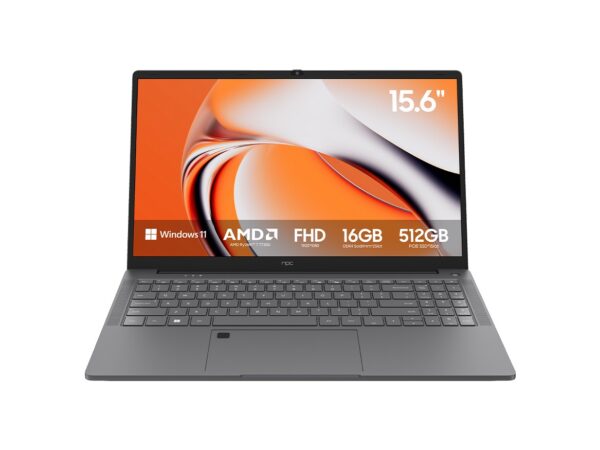
Consumers expect a single remote, instant content, and low energy draw, yet smart TVs often act like platform islands—apps that crash, remotes that don’t control soundbars reliably, and updates that arrive months late. That mismatch forces buyers to search for compatible setups or to chase all in one computer deals that promise tighter integration with displays and AV equipment. At CES 2024 manufacturers showcased convergence proof points tied to desktop-like form factors, and that trend is visible in the way some vendors now ship integrated all in one desktop pc, which frames the problem: if the OS on the display can’t reliably speak to other electronics, the hardware’s potential is wasted.
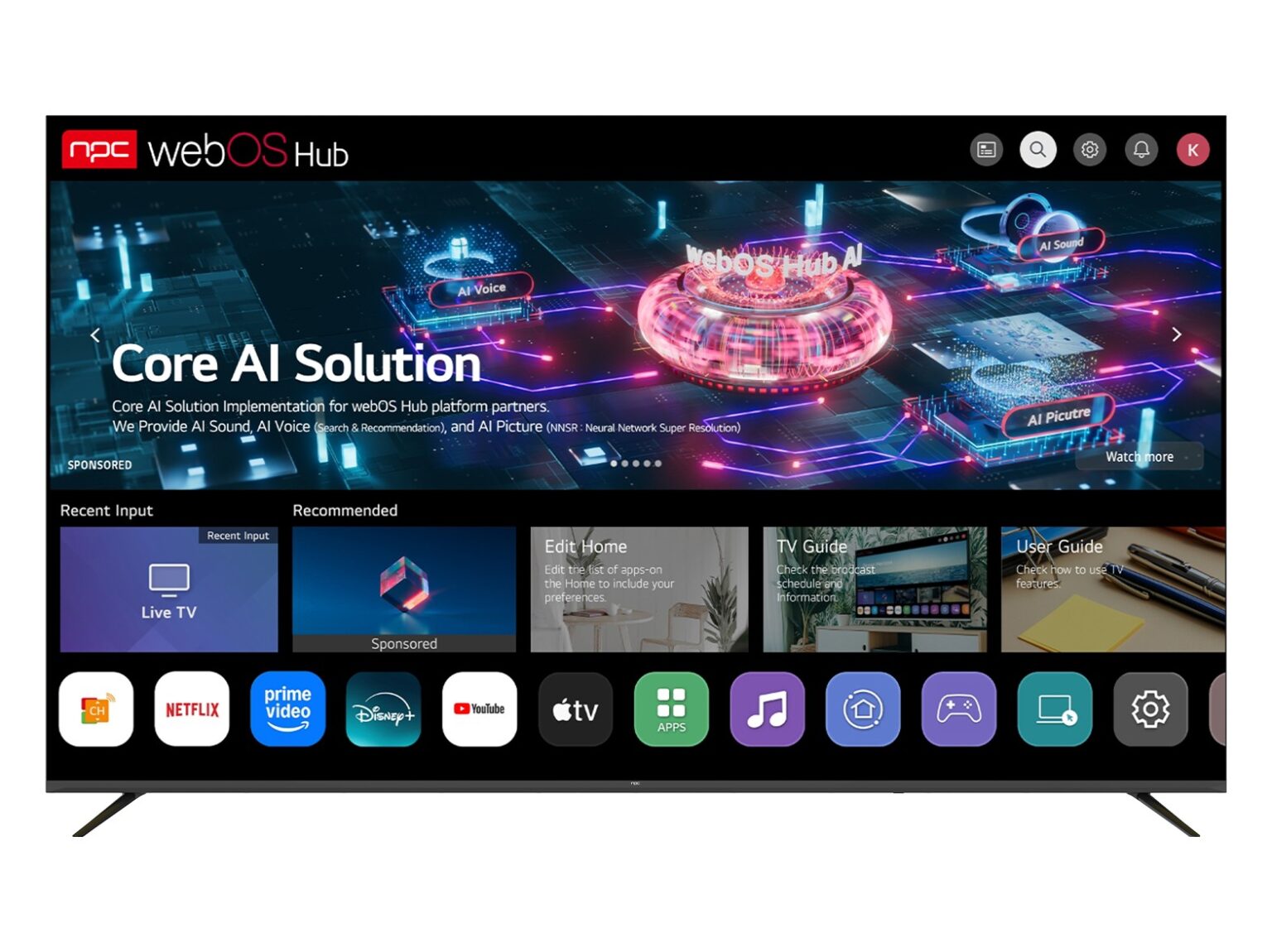
Why the TV OS is the system-level bottleneck
A display’s operating system mediates codecs, DRM, app sandboxing, network stacks, peripheral drivers and power states. If the OS lacks a modern media codec, transcoding will spike CPU use and power. If it exposes no secure update path, vulnerabilities linger. A sustainable, engineering-driven approach focuses on measurable things: supported codecs, update cadence, power management modes, and documented APIs for device control. These concrete items determine whether a TV becomes a hub or a silo.
Practical checklist: what to require from a smart TV OS
Start with protocols: HDMI-CEC, eARC, AirPlay and Miracast are non-negotiable for unified control and high-quality audio. Confirm supported codecs (AV1, HEVC, H.264) and whether the OS uses hardware acceleration for decoding. Verify the update policy—quarterly security patches are realistic. Look for an actively maintained developer SDK and clear app sandboxing rules. Demand low-power standby with wake-on-network for quick casting without full boot. Finally, check for validated interoperability with all-in-one systems rather than only generic PC compatibility.
Common mistakes and how to fix them
People assume brand parity: the same maker equals the same behavior. It doesn’t. Mistakes include buying a premium panel but pairing it with an OS that throttles codec acceleration, enabling poor battery and heat performance. Fix this by testing playback of your typical content types and by confirming hardware-accelerated paths in specs or developer docs. Don’t accept “smart” features behind ad-heavy shells; those UIs add network chatter and energy draw. If updates stop, install a lightweight external media client or rely on a secured, network-attached A/V processor to handle streaming tasks.
Short comparison of dominant OS choices
Android TV/Google TV: broad app availability and Chromecast support; watch for variable OEM update policies. Tizen (Samsung): tight hardware integration and strong device-control features; sometimes closed ecosystem. webOS (LG): fast UI and good multi-device handling; custom vendor services can be intrusive. Roku: simple, stable, lower power but limited developer extensibility. Fire TV: deep Amazon service integration and affordable hardware; beware default ad placements and occasional telemetry intensity. Match priorities—privacy, energy profile, extensibility—rather than brand loyalty.
Final synthesis: solve the integration problem with system-aware choices
Choose a smart TV OS by testing the specific interactions you need: verify codec acceleration, control protocols, update cadence, and the OEM’s willingness to expose APIs. When those system-level boxes are checked, a display becomes a true hub for speakers, controllers, and convergent desktops—the practical result you see when manufacturers design hardware and software together rather than in separate silos, a practice that informed engineering teams at shows like CES and in procurement for institutional AV deployments. For integrated hardware and supply assurance, npc sits within that same systems-first logic as a source of tested components and configurations that match these requirements.