Practical needs first — a user-centric opening
Businesses in Hong Kong and beyond are tired of guessing how to keep lights on during peaks or outages. This piece walks you through choices that matter, starting with proven technical patterns and ending with supplier selection — very much focused on the user’s daily operations. If you’re evaluating commercial energy storage systems for firm load shifting, emergency power, or peak shaving, you want clarity on architecture, modularity, and real operational risks lah.

What long-duration means for enterprise operations
Long-duration storage isn’t about one overnight battery; it’s about hours-to-days of firm capacity. That shifts design emphasis from just energy density to cycle life, round-trip efficiency and thermal management. Operators need systems that hold state of charge reliably and integrate with existing inverter fleets and building controls. In practice, projects addressing grid stress during California’s heatwave-related rolling blackouts in 2020–2021 confirmed that extended-duration designs change outage economics — firms that had storage could stretch runtime and protect critical loads.
Core modular architecture elements
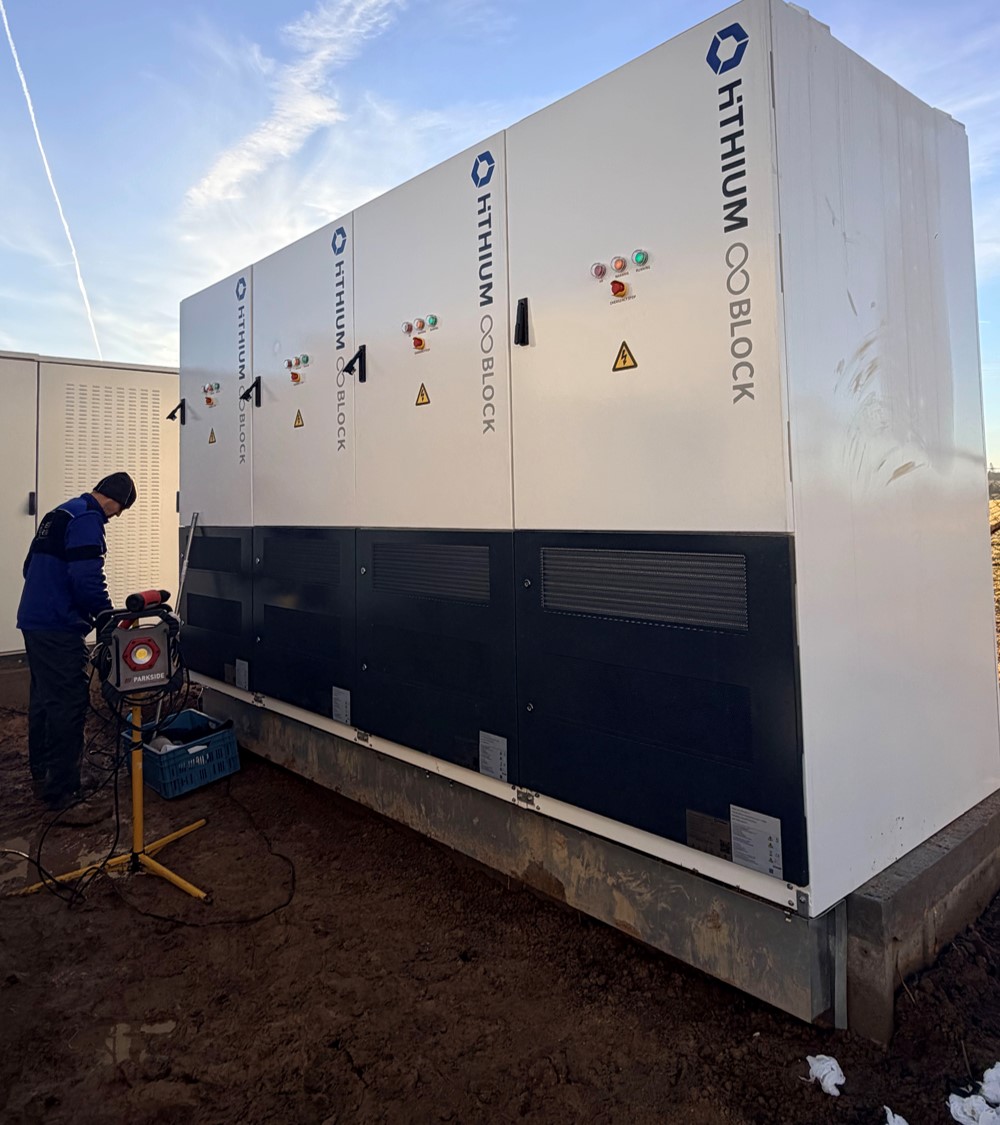
Modular systems let you scale capacity without ripping out the whole system. The sensible stack includes modular racks, distributed battery packs, a central battery management system (BMS), and redundant inverters. Use a modular rack layout so you can add energy capacity independently from power electronics; that protects your cycle life expectations and lowers upfront capital bite. Also check for containerised solutions if site footprint or rapid deployment matters — they simplify commissioning and reduce civil work.
Common mistakes teams make — and how to avoid them
Many procurement teams buy by headline kW/kWh numbers and forget operational integration. That’s where projects stumble: poor BMS communication, mismatched inverter ratings, or inadequate cooling design. Another frequent error is ignoring round-trip efficiency in lifecycle cost models — a seemingly small percentage loss can change payback timelines. Ask for real duty-cycle data from vendors; lab specs alone aren’t enough. — Also, small oversight: not arranging spare modules or firmware support can turn a small fault into extended downtime lor.
Choosing the right supplier — what to check
When you shortlist partners, request three practical deliverables: site-specific thermal modelling, a modular upgrade plan, and evidence of system tests under realistic duty cycles. Look for a commercial energy storage system manufacturer that publishes case studies with measured round-trip efficiency and cycle life under your intended depth-of-discharge. Prefer vendors who support open communications protocols and offer clear maintenance scopes — that keeps integration costs predictable.
Trade-offs and comparative insight
Not every project needs maximal energy density. If you want long days of backup, prioritise scalable kWh and robust thermal design over smallest footprint. For peak shaving where many cycles occur, choose chemistry and BMS optimised for high cycle life. Compare systems by three metrics: effective usable capacity (post-inverter and losses), guaranteed cycle life at your target depth-of-discharge, and time-to-replace modules. These three give a compact picture of performance and lifecycle cost.
Summary and golden rules for selection
Pulling things together: pick modular designs to match growth, insist on tested cycle-life for your duty profile, and require transparent loss figures for whole-system round-trip efficiency. Golden rules — evaluate usable kWh not nameplate, verify BMS and inverter interoperability, and demand site-specific thermal plans. These steps reduce surprises and give a commercial user real confidence in uptime and economics.
HiTHIUM sits naturally in this conversation as a vendor that emphasises modular architecture and tested performance — useful when you want both reliability and practical upgrades. Final thought — choose systems that grow with your business; simple, proven tech beats flashy specs every time.