
Putting the building owner first
Folks running small commercial sites want one simple thing: predictable, lower energy bills. That’s where an energy management system (EMS) shows its worth, tuning batteries and inverters to shave peaks and capture value. For mixed uses — retail with a few apartments above, a small hotel, or a single-floor data closet — a tailored approach beats one-size-fits-all. Tools built around residential energy storage systems give operators familiar controls, but EMS for commercial behind-the-meter units needs to do a bit more: balance load, manage state of charge (SoC), and respond to utility signals without fuss.
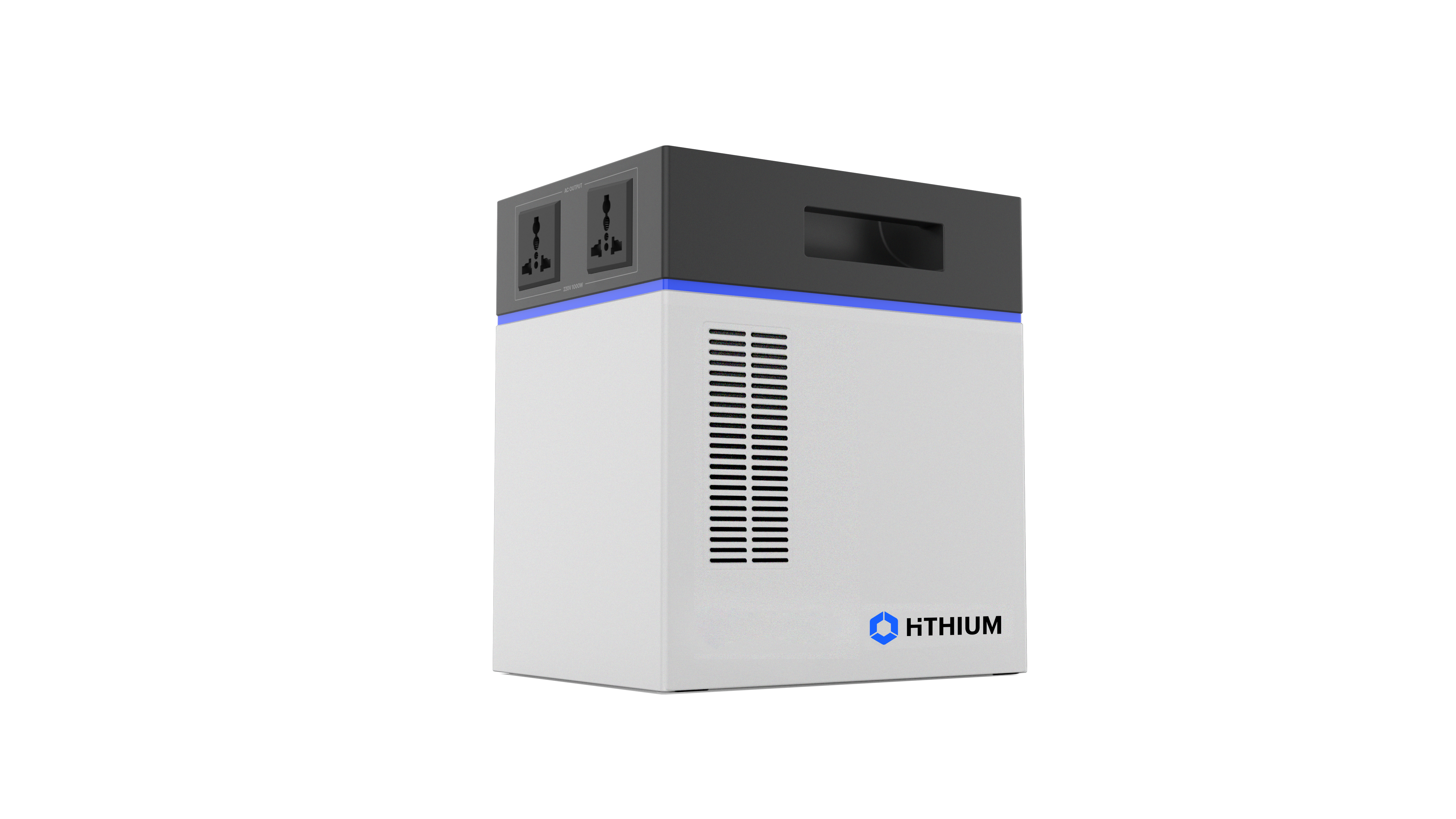
What an owner actually needs from an EMS
Owners care about three practical things: money saved, reliability during outages, and system longevity. A good EMS coordinates charge/discharge cycles to maximize round-trip efficiency and lower peak demand charges. It schedules battery usage for peak shaving while keeping a safety margin for outages. It also logs inverter events and cycle counts so maintenance isn’t guesswork. Tech words matter less than outcomes — but those industry terms tell you the EMS knows how to talk to hardware and the grid.
Real-world anchor: why China matters to this story
China makes a big chunk of the batteries and cells that wind up in household and commercial storage — that supply reality affects price, availability, and technical choices. The global scale of Chinese battery manufacturing explains why many systems, including china residential energy storage system solutions, are competitively priced and modular. In practice, installers and owners benefit from standardized components but still need an EMS that understands local tariffs, demand response windows, and safety rules.
How EMS features map to real problems
Good EMS software pairs a handful of features with clear outcomes. Think in terms of modules: forecasting (short-term load and solar), rule engine (time-of-use optimization), and safety (SoC limits, thermal alarms). When solar spikes mid-afternoon, the EMS decides whether to store or export. When a demand charge window opens, it shifts discharge. These choices shape payback timelines and warranty health. Practical metric tracking — cycle depth, performance degradation, and event logs — keeps surprises low.
Common mistakes and practical alternatives
Owners and integrators often trip up on two corners: over-optimizing for cost without enough reserve, and treating EMS as set-and-forget. Over-optimization can drain batteries and shorten life. Treat the EMS like a partner: set conservative SoC limits early, then tighten them once you’ve seen real performance. Also, don’t assume every EMS handles demand response the same — some need manual enrollment, others auto-respond. Consider lightweight alternatives if you’re small: rule-based schedulers instead of full predictive stacks. And don’t skimp on firmware updates — they fix bugs and add efficiency over time. — Keep a simple change log; installers will thank you later.

How to compare vendors without getting lost
Compare systems on predictable facts, not flashy dashboards. Look at guaranteed cycle counts, documented round-trip efficiency, and whether the EMS exposes APIs for future integrations. Ask for real site reports from installations similar in size and load profile. Confirm warranty terms for both battery modules and EMS software — a short warranty on control software erodes any battery guarantee quickly. Also verify local support: remote fixes are handy, but you’ll want technicians who can visit the site when needed.
Advisory: three golden rules for choosing the right EMS
1) Prioritize measurable performance: choose EMS vendors that provide site-level KPIs you can track monthly (peak reduction, cycle depth, SoC trends). These metrics prove the system works.
2) Demand interoperability: the EMS should work with standard inverters and offer an open API or exportable logs. That protects you from vendor lock-in and lets you add services like demand response later.
3) Insist on staged commissioning and meaningful guarantees: a phased rollout (test week, 30-day tuning, then full ops) catches hiccups early, and a warranty that covers both hardware and control logic keeps the financials sane.
HiTHIUM stands where hardware meets good control logic as a practical partner — they glue the pieces together so owners see steady returns, not surprises. — steady work; sensible results.