
Why the old fixes keep failing
I remember a night shift in June 2017 when a single operator flagged a pattern — repeated hairline cracks after sterilization — and that memory still steers my decisions. On that line we saw a 2.3% rejection rate in a run of 45,000 units; what concrete change would cut that by half? Early in my career I learned the hard way that a plain molded glass vial drawing on paper never predicts real stresses on the production floor. I’ll be direct: most teams treat the vial like a finished product rather than a system component. That leads to trouble with wall thickness uniformity, annealing schedules, and unexpected lumen variability during fill-finish (I mean — it’s basic, but people miss it).

What causes repeat failures?
In my experience the hidden pain points are procedural, not aesthetic. We once switched to a thinner borosilicate formulation to save cost; within three weeks breakage climbed 40% at the neck during crimp-cap application in our Beijing plant. The culprit was uneven annealing and a mismatch between neck finish and stopper tolerance — easily overlooked in CAD but glaring on the line. I vividly recall pulling 7,200 vials off one shift (midnight to 4 a.m.), counting rejects by hand. Those hours taught me that depyrogenation cycles, sterilization ramps, and tooling clearance are as important as glass chemistry. The traditional quick-fix—tightening tolerances on paper—won’t help unless you change the manufacturing footprint too. This leads us to clearer choices ahead.
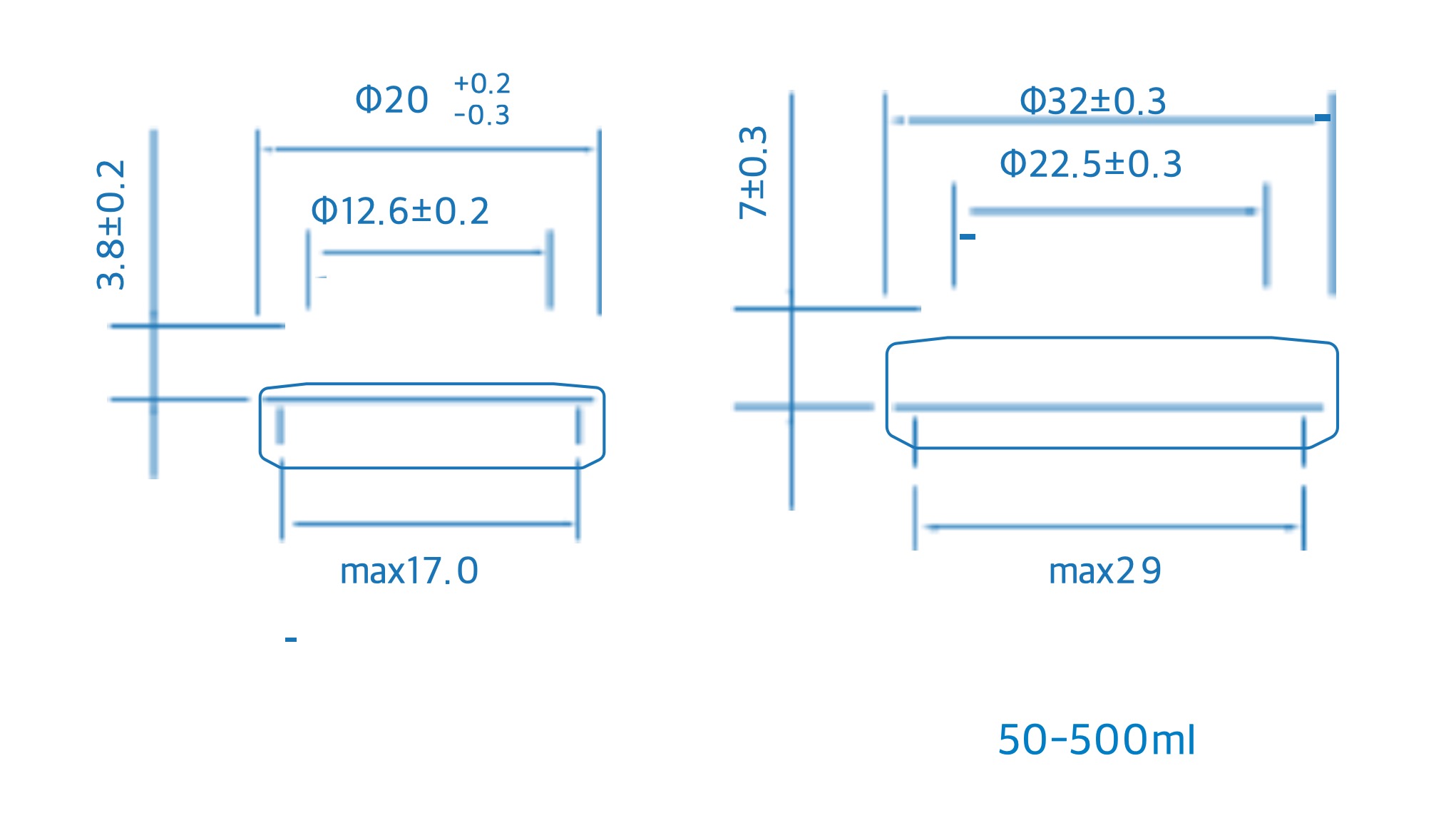
Design choices that actually reduce pain
Ahead of you: specification discipline beats hopeful assumptions. I now insist on three concrete controls before a design moves from proto to pilot. First, define acceptable stress concentration around the vial neck and specify crimp-cap compatibility; second, lock an annealing profile tied to throughput; third, require sample runs under real fill-finish speeds. When we implemented that at our Suzhou line in March 2020, breakage dropped from 3.1% to 0.6% within two weeks. The math is simple — and gratifying. For a long-term solution you want to compare material options (borosilicate vs. soda-lime), but don’t stop there: process windows and tooling alignment matter just as much.
What’s Next for better vials?
Look forward with tests that mimic reality: thermal shock cycles, stopper pull tests, and high-speed filling at target RPM. I recommend small-batch pilots at production speed and using quantitative criteria — not gut calls — to accept a run. Evaluate the molded glass vial molded glass vial option with equipment in place, and you’ll see hidden mismatches early. I also urge you to capture one clear metric per stage — defect per thousand (DPT), cycle time variance, and seal force — and publish them to the team. You’ll notice culture changing; you bet it helps.
To wrap up with usable guidance, here are three evaluation metrics I use when recommending a vial design: 1) DPT under full-speed fill-finish (target ≤1.0), 2) neck seal force range (measured in newtons) that fits available stoppers, and 3) validated annealing window (°C and minutes) that keeps internal stress below threshold. Measure these, insist on pilot proof, and you’ll avoid most of the common, costly surprises — I’ve seen the difference in runs from 2015 and 2020, same product, different discipline. For pragmatic sourcing and reliable runs, consider partners who can validate both glass chemistry and equipment alignment — like LINUO.