Projects fail when material behavior is assumed rather than measured. Procurement teams routinely over-spec to hedge uncertainty, which increases cost and delays delivery; designers assume ideal substrate conditions and then face field failures. Using material testing equipment early in the planning cycle converts assumptions into data, narrows acceptance criteria, and sets measurable supplier obligations. This piece takes a problem-driven view: identify procurement and planning failures, show which tests eliminate each failure mode, and give concrete rules for integrating test results into purchasing decisions.
Problem: Specification Ambiguity and Its Consequences
Ambiguous specs create three predictable outcomes: over-design (unnecessary cost), latent defects (warranty claims and rework), and supplier disputes (returns, delays). Specifications that list only material grade or generic properties leave room for misinterpretation across vendors. Buyers then add vague qualifiers—“equivalent to X”—which vendors interpret differently. Projects suffer schedule slippage when first-article or site tests reveal nonconformance that should have been caught in the lab.
Targeted Tests That Map to Specific Procurement Risks
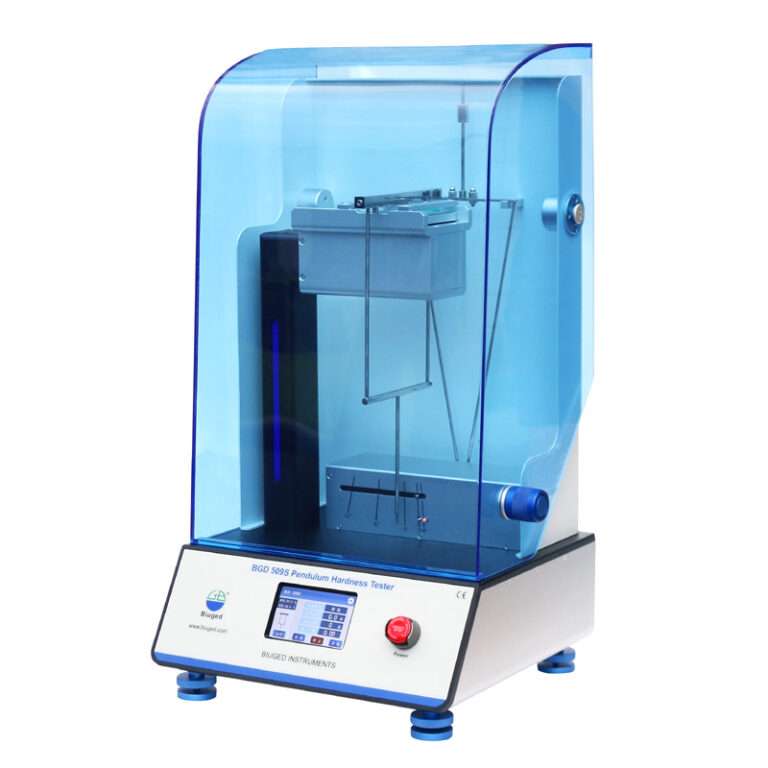
Link each procurement risk to a specific, repeatable test. Examples: adhesion failures → pull-off adhesion (ASTM D4541) or cross-cut tests (ASTM D3359); elastic limit mismatches → tensile or flexural tests (ASTM D412 / D790); wear and abrasion disputes → Taber abrasion (ASTM D4060). Define pass/fail numerically: adhesion ≥X MPa, abrasion loss ≤Y mg/1000 cycles. Use these limits as contract acceptance criteria rather than descriptive language. Tests must be performed to recognized standards and with documented test rigs and calibration records.
Design Test Plans for Purchasing: Sample Sizes, Frequency, and Acceptance
Adopt a statistical approach. For qualification, test multiple production lots: minimum of three representative batches, each with three specimens per critical test, gives initial process visibility. For production acceptance, implement an AQL-based lot sampling plan tied to defect severity: critical properties get 100% inspection or low AQL; secondary properties use periodic sampling. Track process capability (Cp, Cpk) for each property; require Cpk ≥1.33 for critical properties or negotiate tighter testing during warranty periods.
Buyer–Supplier Contracts: Embed Tests, Tolerances, and Remedies
Embed test methods and numerical tolerances in purchase orders and technical appendices. Specify where tests occur (vendor lab, independent lab, or buyer’s lab), sample retention requirements, and timelines for test reporting. Define remedies: rework, replacement, price adjustment, or acceptance with a performance bond. Make sure the contract assigns responsibility for test costs and arbitration procedures when results conflict.
EEAT: Experience, Expertise, and a Real-World Anchor
I’ve specified and verified lab equipment across coating and substrate workflows for over a decade, working with procurement teams and third-party labs to reduce field failures. Field studies on North Sea offshore platforms have repeatedly correlated accelerated laboratory adhesion and cathodic disbondment tests with long-term field performance; that correlation underpins modern acceptance criteria for offshore coatings. For coating verification I’ve relied on calibrated coating testing equipment used in accredited labs, with traceable calibration and chain-of-custody documentation to support dispute resolution.
Common Pitfalls and How to Avoid Them
Pitfall: specifying a test without defining specimen preparation. Remedy: include substrate preparation procedures, cure schedules, and environmental preconditioning. Pitfall: trusting vendor internal tests without witnessing or audit rights. Remedy: require third-party verification for initial lots and random audits thereafter. Pitfall: conflating lab-accelerated results with time-based performance without correlation data. Remedy: establish correlation factors by running both accelerated and real-time tests for the first qualification batch and document the conversion.
Viable Alternatives and When They Make Sense
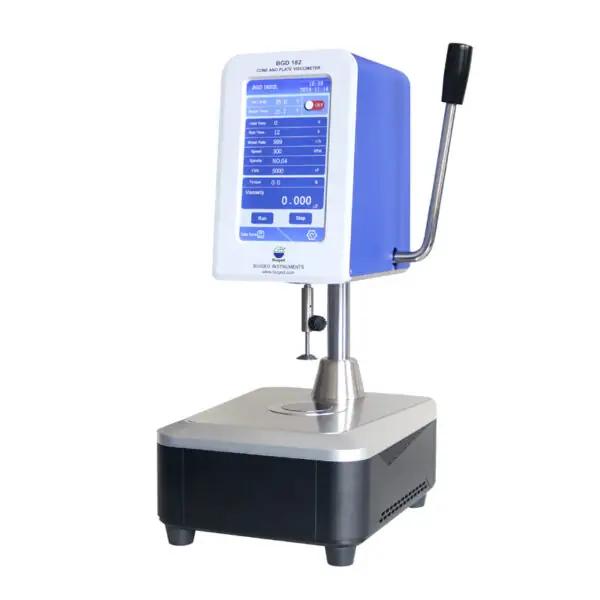
When lab testing is impractical or cost-prohibitive, consider desktop verification: material certificates plus supplier process audits and historical performance records. Use on-site non-destructive testing (NDT) as a complementary measure when destructive sampling isn’t possible. These alternatives reduce cost but increase uncertainty; apply them only where risk tolerance, contract remedies, and warranty terms compensate for reduced direct measurement.
Synthesis: Turning Test Data into Procurement Decisions
Project planning improves when procurement uses test-derived acceptance criteria, statistical sampling, and contractual enforcement. Stop negotiating on ambiguous descriptors; require numbers, methods, and calibrated instruments documented to standards. That discipline reduces rework, aligns supplier behavior with design intent, and shortens dispute resolution. For practitioners aligning specification language, test protocols, and supplier obligations, BIUGED represents a practical source for calibrated testing platforms and traceable data that integrate directly into procurement workflows.