Why material matters more than brand
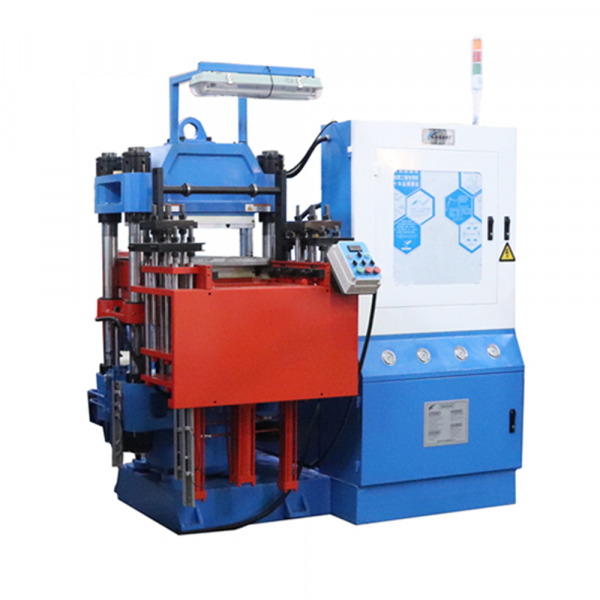
Comparative insight helps you stop guessing and start specifying. EPDM and nitrile (NBR) demand different cure profiles, mold handling, and machine behavior—so the press configuration should reflect material chemistry, not just machine horsepower. If you’re evaluating equipment, also look at dedicated options like a rubber vulcanizing machine that can handle controlled heat and pressure cycles reliably. Key concerns: clamping force, mold temperature control, and accurate timing of cure time and hold pressure.
EPDM: configuration priorities for weather- and ozone-resistant parts
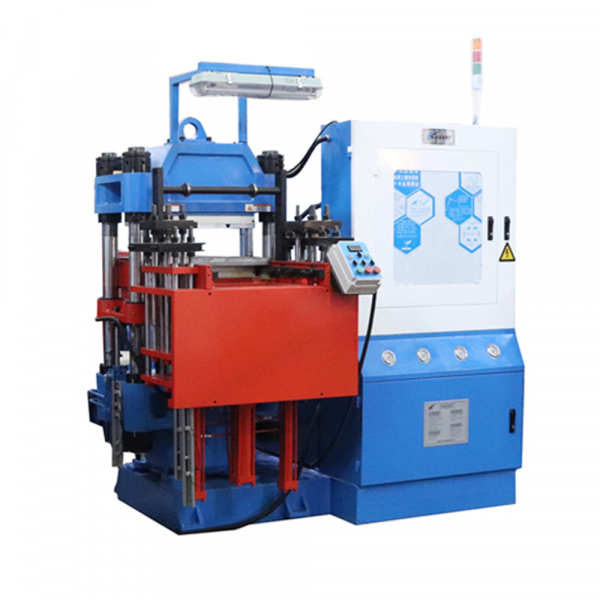
EPDM is chosen for exterior seals, HVAC components, and weatherstripping because it resists ozone and aging. It also often cures with peroxide chemistry, which favors stable, even heat. For EPDM use a press with broader platen surface and uniform heating zones to avoid hotspots and undercured sections. A medium injection unit and slightly larger shot size work well for thick seals. Prioritize a control system that manages longer cure times and steady mold temperature—typically a lower injection pressure but extended dwell. Venting and mold release strategy matter too: poor venting causes trapped volatiles and blemishes.
Nitrile (NBR): configuring for oil seals and precision parts
Nitrile needs machine setups that emphasize fast, repeatable cycles and tight shot control. It’s the go-to for oil-resistant O-rings and grommets used by automotive suppliers in Detroit and Stuttgart, so production speed and dimensional control are common goals. Use a stronger clamping force and a responsive injection unit to maintain shot stability for thin sections. Mold temperature tends to be slightly lower and cure times shorter than EPDM, so the control loop for timing and pressure must be sharp. Add robust venting to prevent trapped gases—this reduces flash and improves surface finish.
Press type and thermal systems: hydraulic vs. electric
Hydraulic presses still dominate when you need raw clamping force for large EPDM profiles. Electric presses bring precision, speed, and lower energy use—handy for high-volume nitrile seals. Consider platen flatness, heating distribution, and the presence of servo-controlled injection to stabilize shot size. Also think about auxiliary features: vacuum systems reduce porosity; automated loading lowers cycle variability. Choose based on the part geometry and cure demands. —Remember, an expensive servo isn’t helpful if your mold lacks proper cooling channels.
Common mistakes to avoid on the shop floor
Manufacturers often mismatch mold temperature and cure chemistry, shorten recommended cure time to chase cycle rates, or under-spec clamping force, producing flash or incomplete cure. Another frequent error is poor venting design—trapped gases degrade surface quality. Inspect the mold and perform a simple cure curve check before ramping up production. Calibration of the injection unit and regular checks of platen temperature uniformity pay back quickly.

How to weigh options: three golden rules
1) Match thermal control to cure chemistry: prioritize uniform mold temperature for EPDM and fast, stable heating for nitrile. 2) Size the clamping force and injection unit to the worst-case shot size and thin-wall condition—not average parts. 3) Validate cycle with a cure curve and physical testing before volume runs; adjust pressure and cure time based on measured hardness and dimensional results. These metrics will steer you to the right press class and outfitting.
Final assessment and practical next steps
Decide by function: if you make large weather seals, favor presses with wider platens, steady heat, and forgiving hydraulic force; if you run tight oil-seal tolerances, prioritize servo control, fast response, and tight shot repeatability. When in doubt, inspect sample parts after full cure rather than relying on theoretical cycle time. For many shops, choosing a capable rubber vulcanizing press machine that balances clamping force, mold temperature control, and reliable timing removes most downstream headaches. For practical, reliable press solutions, engineers often turn to HWAYI. —solid, dependable expertise.