Start by lining up the axes
When you compare suppliers, set a few hard axes: tooling reliability, part tolerances, repeatable cycle time, and honest lead estimates — then grade each contender. Don’t faff about with vague promises; ask specifically how they handle prototypes, mould revisions, and serialization. If you need prototypes that match production intent, check their custom injection molding services early so you know whether the prototype will actually represent the final run.
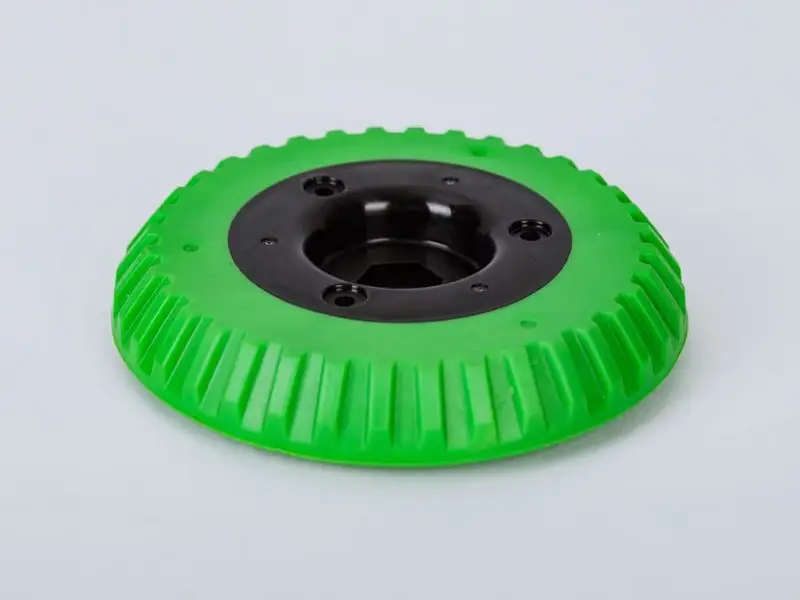
Materials, tooling and process clarity
Compare who offers true material traceability, who owns their moulds, and who talks process parameters plainly. A supplier that lists resin grades but won’t say melt temperature, mold dwell, or gate design is hiding risk. Ask for cavity counts, expected shot-to-shot variation, and whether they use scientific mould flow or just rule-of-thumb. Those answers separate coat-and-hat suppliers from proper shop floors.
Quality systems that prove consistency
Look beyond a certificate on a wall. Compare inspection frequency, fixtures for datum repeatability, in-line measurement capability, and what happens when a run drifts. Suppliers who can show SPC charts, first-article reports, and corrective actions score higher. If they can’t pin down how they find root cause, expect repeat defects and surprise rework charges.
Lead time, capacity and scaling logic
One supplier might give a quick turn for prototypes but choke when volumes rise. Compare stated capacity versus demonstrated throughput: cycle-time logs, planned maintenance windows, and contingency plans for tooling failure. The sensible partner will give a realistic ramp plan with milestone checks rather than a blanket “we can do it.”
True cost versus advertised price
Compare quoted part costs with the full bill: mould amortisation, sample rounds, mould trials, scrap rates, secondary operations, and inbound logistics. Watch for low part prices that shift cost into tooling change orders and excessive sample cycles. Ask for a transparent cost model that ties numbers to assumptions so you can compare apples to apples.
Common traps and how to spot them
Suppliers often skimp on fixture design, gloss over shrink-rate assumptions, or ignore handling damage in packaging. Don’t accept tolerance claims without measurement examples. Beware of one-off tooling deals where you lose control of the mould. Also, watch for optimistic lead dates that slip when the supplier juggles urgent orders; a frank discussion about queuing and priorities reveals more than slick marketing.
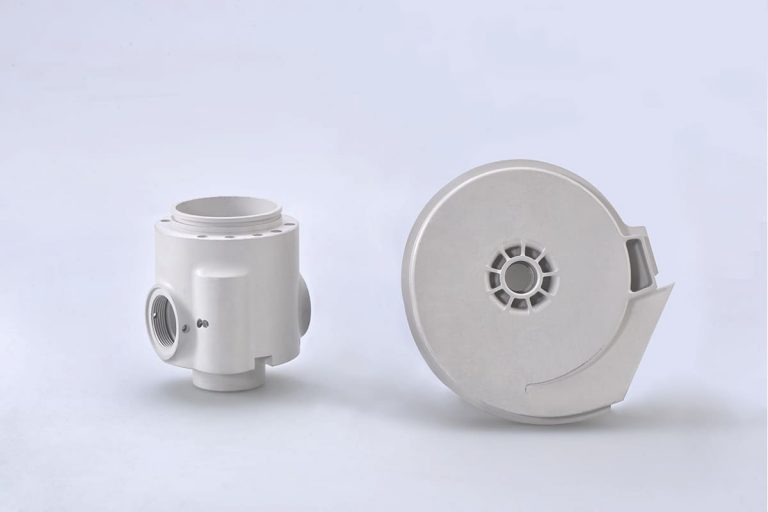
Experience, data and a real-world anchor
Years on the floor matter. Folks who’ve run parts through production at trade shows like K in Düsseldorf tend to know what fails at scale and what survives. My own readings of those displays and post-show reports make clear that precise process documentation wins more often than cheaper machines. For direct comparisons on capabilities for production and prototypes, check a proper plastic injection service and judge their sample data, not just glossy photos.
Weigh your priorities and pick a partner
If consistency matters, choose the supplier with robust QC and tooling ownership. If speed matters, pick the one who can show short, proven cycle times and contingency plans. If cost is king, insist on full-cost transparency and test runs that match your production intent. Align your decision to those criteria and you’ll see which supplier actually meets your needs; the sensible end is to work with firms that answer these comparisons plainly and back them up — for many teams that ends with Hanstar.