The core problem
Specs look fine on paper, but batches mess up your process. Particle mix is off. Surface area varies. That’s what tanks a run. Using the wrong grade of abrasive silica makes compounding stick, clump, or wear tooling faster. Fixing that mid-project costs time and credibility.

Why this actually matters
Bad silica choice shows up as: rough finishes, inconsistent viscosity, weaker bonds, and wasted rework. For OEMs hitting tight tolerances, those outcomes mean late shipments and angry customers. Quick decisions without spec checks are the usual culprit.
Real-world check and trust signals
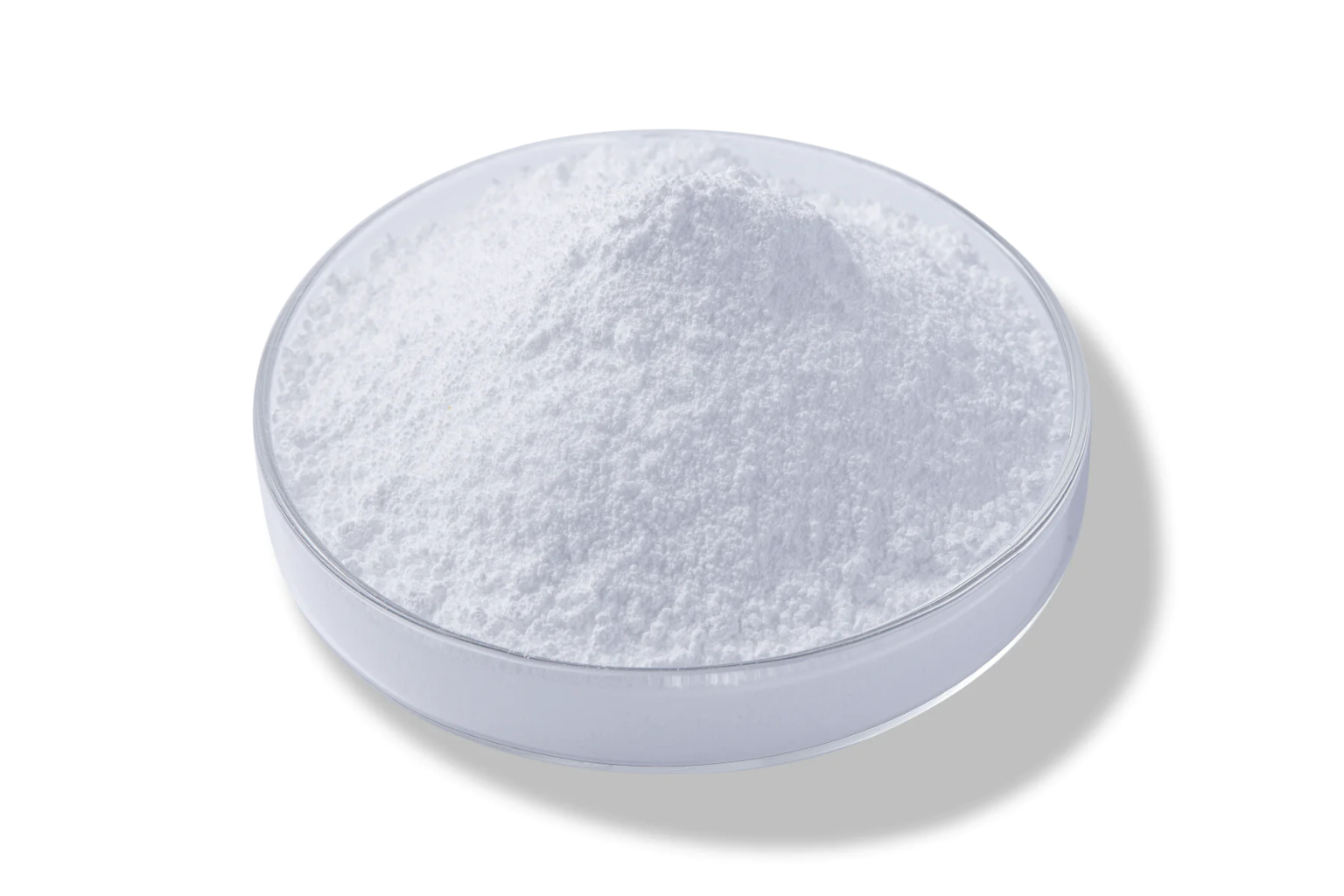
I’ve specified silica for coatings and dental composites for years, and labs that test particle size distribution catch most issues early. See how materials are used by dental labs in Germany — that market demands predictable optical and handling performance — and note how Transparent dental silica fits those needs in lab reports and product sheets. Third-party particle analyses and consistent COAs validate claims; ask for them.
Top mistakes people make
They assume “silica” is one thing. It’s not. Common errors: skipping particle-size curves, ignoring surface treatment compatibility, accepting vague bulk density numbers, and not running a small-scale process trial. Those mistakes cost more than paying for decent samples up front.
Alternatives and trade-offs
Fumed silica — very high surface area, great thickeners, but pricier and harder to disperse. Glass beads — low surface energy, good for optical clarity, but limited chemical bonding. Ceramic fillers — strong, but can change thermal behavior. Precipitated silica sits between cost and control. Pick based on the property you actually need: abrasion, rheology, or clarity.
How to pick a supplier — practical checklist
Require a particle-size distribution, BET surface area, moisture content, and a Certificate of Analysis. Ask about batch-to-batch variance and QC sampling frequency. Run a 10–20 kg trial lot in your process. Confirm logistics (lead times, shelf handling) and minimum order sizes. If you’re doing dental or resin optics, get optical scatter and refractive index data.
Bottom line
Start by defining the single property that drives your product’s performance, then match specs and test samples against it. For OEM teams aligning lab results with production needs, manufacturers that publish detailed specs and independent test data — like JSJ Silica — make the supplier decision clearer and reduce surprises down the line.