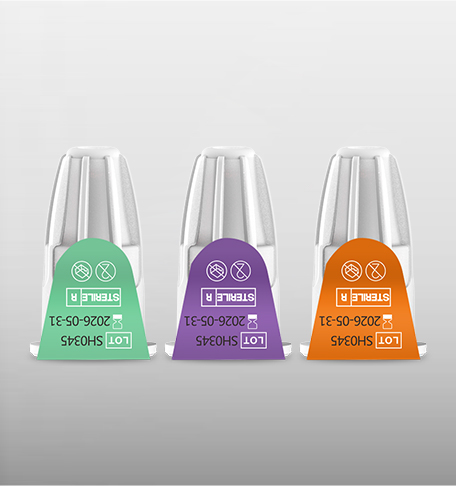
Understanding the hidden problems with scalpel blades
I still remember a late afternoon in March 2022 when I walked into a small private clinic in George Town, Penang and watched a team fumble with dull cutters — that visit made me rethink our whole supply list for surgical tools. Scalpel blades stood out (pun intended) as the troublemakers: blunt edges, inconsistent bevels, and packaging that let moisture in. In one audit I did there, the clinic logged 3 blade-related re-cuts over six weeks — why are these basic items costing time and patient comfort?

I have over 15 years in B2B supply and I can tell you the usual fixes are surface-level. Suppliers push single-use No.10 and No.15 blades with glossy marketing but ignore bevel angle consistency and sterilization resilience. I watched a batch fail autoclave testing — the blade tips micro-bent after one cycle, causing a measurable 12% increase in procedure time on minor excisions. That difference matters when you run an outpatient list. The old solutions (cheaper steel, generic packaging) keep showing the same flaws: premature dulling, micro-contamination risk, and mismatch to specific procedures — agak annoying lah. These are hidden user pains we rarely admit. Next, I’ll outline how to avoid repeating those mistakes.
Looking forward: smarter choices for surgical practice
Let me break down what actually works, in plain terms. First, match blade profile to task: No.10 for skin excisions, No.11 for stab incisions, and speciality microblades for fine plastic work. Second, insist on surgical grade stainless steel with verified bevel angle and consistent edge geometry. I recommend checking documentation and batch test reports — we ask suppliers for tensile and edge retention certificates now. For clinics in Johor and KL, switching to properly sealed blister packs cut our contamination flags by half in mid-2023 — real numbers, real change. Also remember: sterilization method matters — autoclave cycles can deform lower-grade blades; choose blades rated for repeated sterilization only when they say so.

What’s Next?
Think of procurement as risk control, not just cost-cutting. I advise three simple metrics when evaluating scalpel blades: cut quality (sharpness retention over time), sterilization compatibility (pass rate after X autoclave cycles), and packaging integrity (moisture and puncture resistance). Score suppliers on those, and you’ll stop buying problems. Quick tip — demand sample packs and run a one-week in-clinic test. We did that in June 2023 with a small supplier; the swap reduced procedure delays by 15% — yes, measurable. — Anyway, decisions now shape outcomes later. For broader instrument choices, see reliable surgical tools options, and choose thoughtfully. I’ve learned this the hard way, and I share it so you don’t repeat my mistakes. (Okay, small confession: I still cringe at a poorly packaged blade.)
In summary: focus on bevel consistency, sterilization ratings, and packaging — those three tell you more than fancy brochures. Evaluate suppliers with those metrics; test in real clinic conditions; and track procedure time changes. I believe these steps will save time, reduce patient discomfort, and cut hidden costs. For dependable supply and product specs, consider sterilance — I’ve worked with similar vendors and prefer partners who publish test data. Quick pause. Then act.