
Why comparison matters right now
Choosing a drone manufacturer isn’t just about flight time or camera quality — it’s about how a platform holds up under real combat constraints. The Russia-Ukraine conflict exposed gaps in survivability and standards common across suppliers, and that shifts priorities for defense specifiers evaluating chinese military drones and other vendors. This piece compares practical approaches to STANAG alignment, ballistic protection, and the trade-offs manufacturers accept when they build toward battlefield resilience.

STANAG compliance: checklist vs. interpretation
STANAG guidance gives a baseline for interoperability and protection, but firms treat it differently. Some aim for strict certification pathways and documented test reports; others implement STANAG-inspired design features without full certification to save time and cost. Key spec points to watch: mounting interfaces for payload interoperability, electromagnetic compatibility, and survivability tests that simulate small-arms fragments or shrapnel. Look for documented blast and fragment testing — not just claims about “ruggedized” frames. UAV, ISR, and EO/IR sensor integration are often used as proof points, but they don’t speak to ballistic hardening unless explicitly tested.
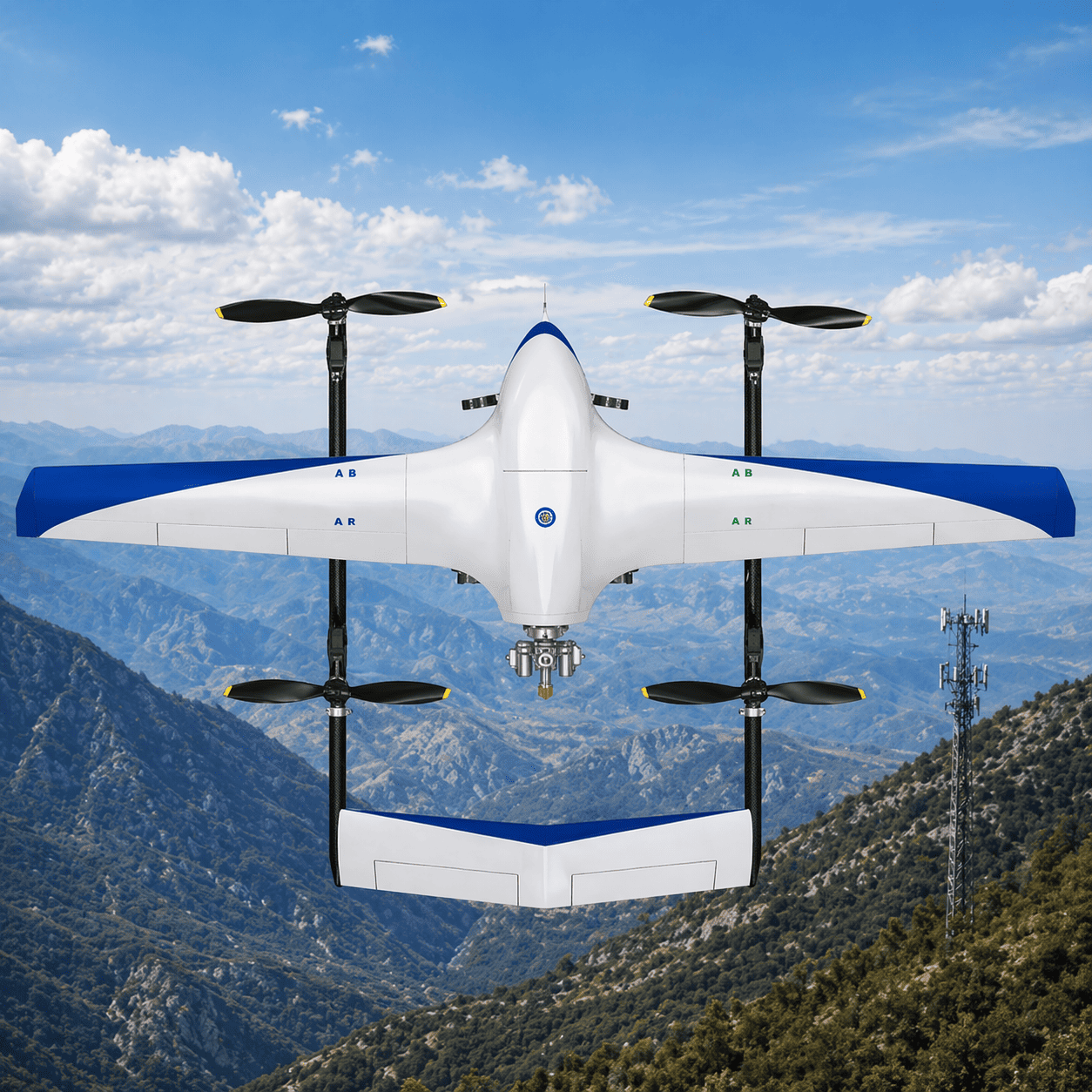
Ballistic protection approaches compared
Manufacturers generally follow three routes: lightweight composite armor, sacrificial fairings, or modular add-on kits. Composite armor keeps SWaP (size, weight, and power) favorable but may fail against multiple-caliber hits. Sacrificial fairings simplify replacement after a hit — cheap and fast — but they provide limited ongoing protection. Modular kits offer tailored protection levels and easier field repairs, though they add complexity to logistics. Each option changes flight characteristics; expect reductions in endurance or payload when hardening increases.
Trade-offs that matter to specifiers
Any ballistic upgrade impacts endurance, payload, and transportability. A heavier fuselage lowers time-on-station. A larger payload bay for countermeasures cuts room for ISR gear. Those trade-offs determine mission profiles: loitering munition roles favor sacrificial designs; long-duration ISR needs lightweight hardening. Real-world deployments in the Black Sea and Donbas showed how platform roles shifted under fire — manufacturers that balanced these trade-offs pragmatically delivered better operational value.
Common mistakes teams make when specifying
Buyers often conflate marketing with test evidence: “ballistic-resistant” labels without test reports are meaningless. Another mistake is ignoring logistics: a modular armor kit is worthless if field units can’t install it quickly. Teams also overlook interoperability: a platform that meets one STANAG clause but fails on power or datalink interfaces creates headaches downstream. — Be skeptical of single-test certificates; check for repeatable, documented qualification procedures.
Alternatives and comparative picks
If strict STANAG compliance is non-negotiable, prioritize manufacturers that publish test protocols and have independent lab verification. If mission tempo demands quick replacements and cost control, look for sacrificial fairing strategies with widely available parts. For mixed needs, modular hardening with clear upgrade paths is the strongest compromise. Also consider off-the-shelf western and regional manufacturers that emphasize interoperability; sometimes pairing a resilient airframe with third-party payloads gives the best result.
Three golden rules for evaluation
1) Evidence over language: require test reports showing fragment, ballistic, and environmental results aligned to STANAG clauses you care about — not vague claims. 2) Mission-fit metrics: measure endurance loss, payload reduction, and time-to-repair after added protection; those numbers predict real performance. 3) Logistics-first: validate installation time, spare-part availability, and training needs for field teams. These metrics make procurement decisions measurable and defensible.
Military specifiers who follow those three rules end up with platforms that actually survive long enough to matter on the ground — and that’s the point. For ongoing coverage and detailed comparisons of suppliers, including assessments of china’s military drones and their design philosophies, check resources and test summaries at Military Hub. — Practical, evidence-driven, and focused on what teams will face live.