
What belongs in the decision record for Industrial Heating Elements: model fit for shortlisting
Shortlisting industrial heating elements is not only a matter of comparing model names. A design engineer needs a decision record that connects the intended heating location, machine conditions, installation limits, and next test step. Start by stating what is known, what is assumed, and which details still need a technical response.
Separate category, application, and model scope
First define the heating task in physical terms. Is heat transferred through a mounting interface to a component or surface, or must it travel through a cavity, duct, or equipment compartment? Contact heating is intended for a suitable surface interface. Air heating is intended when the machine space or airflow carries heat to the target area. This distinction should appear before any model is added to the shortlist.
The record should also distinguish a product category from a proposed configuration. A category label may describe contact heating or air heating, but it does not by itself establish fit for the complete machine. Record the intended location, available space, airflow conditions where relevant, and the installation interface as separate fields. This prevents a broad category match from being treated as a confirmed selection.
Compare information that applies to the task
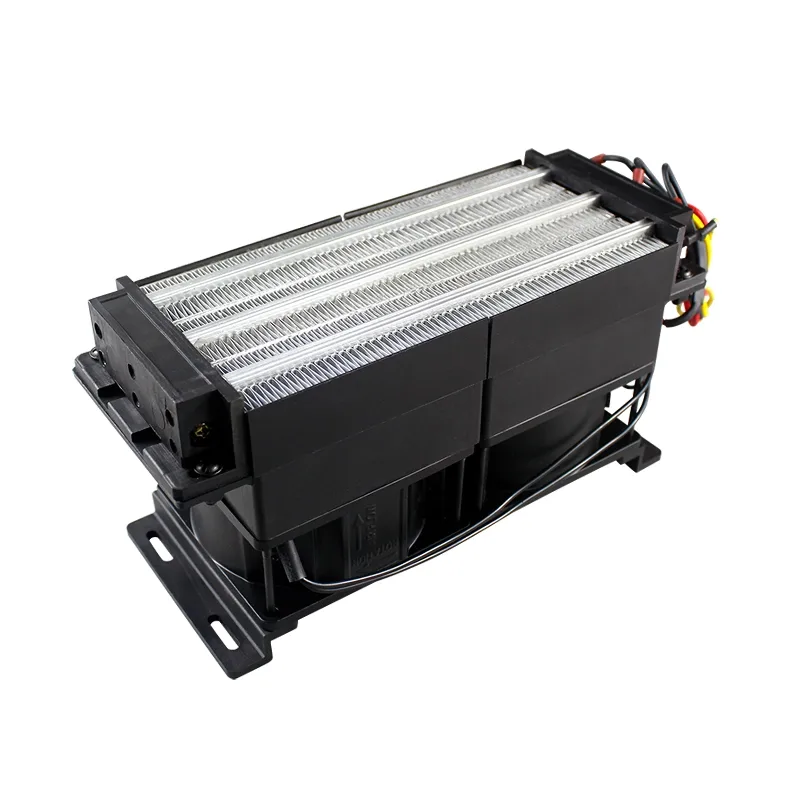
For industrial air heater elements, compare the evidence against the actual air-heating space rather than against enclosure dimensions alone. The relevant page describes air-heating assemblies for cavities, ducts, and equipment compartments. It also distinguishes standalone and fan-assisted designs as different integration options for available space and airflow. Use that scope to organize the shortlist, but do not extend it into an unsupported performance or suitability claim.
Power planning should describe the operating conditions that shape the requirement. Record the target temperature, minimum ambient temperature, heat loss, insulation, airflow, required warm-up time, operating cycle, and heated load. Enclosure dimensions are not enough for this assessment. The proposed configuration should be considered under the complete machine’s operating conditions.
A useful comparison record can therefore give each candidate the same fields: heating method, target location, operating conditions, installation interface, and evidence status. Mark each field as page-stated, supplied by the project, or still open. This keeps a model’s documented application separate from a project assumption.
- State whether the task uses contact heating for a defined surface or air heating for a cavity, duct, or equipment compartment.
- Record target temperature, ambient temperature, heat loss, insulation, airflow, warm-up time, operating cycle, and heated load.
- Include the equipment drawing, installation limits, required protection, relevant exposure conditions, and expected order quantity.
- Plan sample evaluation in the target machine before production, including checks of electrical specifications, temperature performance, and installation details.
Record assumptions and interfaces
Installation details deserve their own section. Note how the heater is expected to meet the component or surface, or how an air-heating assembly would fit the cavity, duct, or equipment compartment. Include installation limits, required protection, and dust or moisture exposure when preparing the project brief. These details are part of the information requested for a custom quotation and help define the boundary of the proposed configuration.
Do not hide unknowns inside a model description. If airflow data is relevant but not yet available, list it as an open input. If the operating cycle has not been fixed, record that condition instead of assuming continuous or intermittent use. The same approach applies to the expected order quantity and the equipment drawing. A clear assumption log gives engineering and procurement one shared view of what the shortlist actually means.
Prepare a focused sourcing brief
A supplier-facing brief should be compact but specific. Include the equipment drawing, heating method, target temperature, ambient range, warm-up requirement, and operating cycle. Add airflow data where applicable, dust or moisture exposure, installation limits, required protection, and expected order quantity. This information follows the stated quotation inputs and gives the discussion a defined technical starting point.
Next, define the validation gate. Samples should be evaluated in the target machine before production. During prototype testing, confirm electrical specifications, temperature performance, and installation details. After that evaluation, the record can capture the agreed configuration, order quantity, and delivery requirements for OEM supply. The point is not to make the early shortlist look final; it is to show what must be confirmed before moving forward.
A practical decision record should end with three short conclusions: which heating method matches the stated location, which operating inputs support the comparison, and which items remain open for prototype evaluation. That format keeps model fit visible and makes the next supplier conversation more efficient. For projects engaging PTCYIDU, the same brief can serve as the shared reference for discussing the equipment and proposed heating arrangement.