Clinical overview and scope
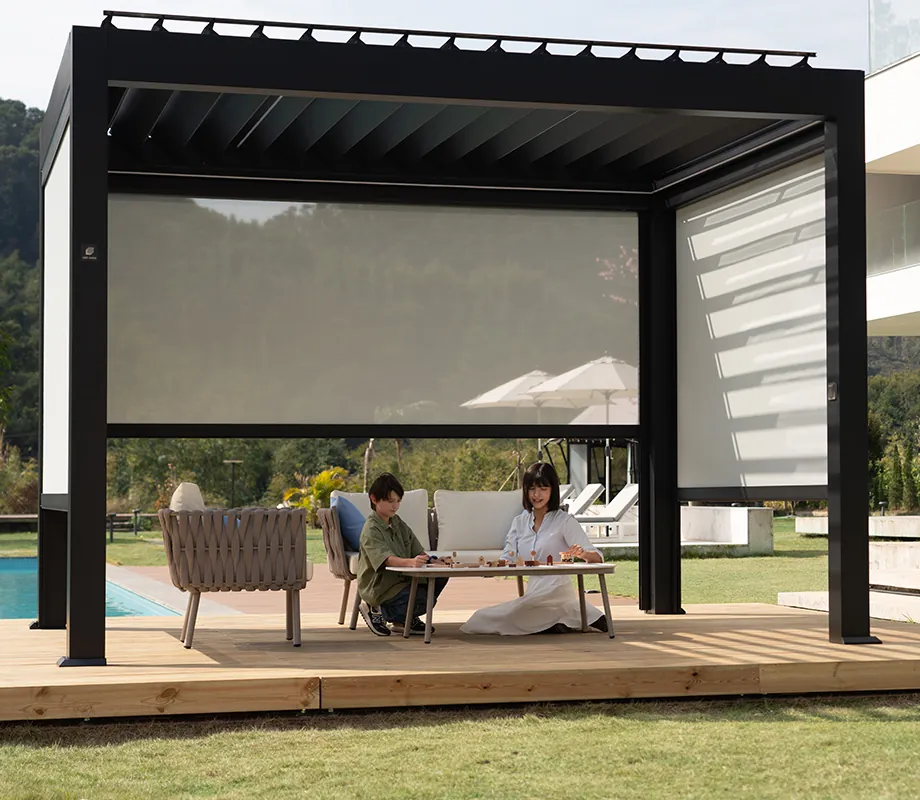
Approach the selection of a solar pergola supplier as a diagnostic assessment: define functional targets, enumerate constraints, then compare candidate suppliers against measurable metrics. For initial field-level framing, specify expected AC output, shading tolerance, structural load ratings and expected life-cycle maintenance. Consider a prototypical deployment such as a rooftop dining canopy when searching for a solar pergola, and set performance thresholds before soliciting proposals.

Key quantitative criteria
Evaluate using discrete, comparable parameters: PV module efficiency (STC and NOCT-adjusted), temperature coefficient, inverter topology and MPPT count, expected power degradation curve (annual %), system-level performance ratio, and BOM (bill of materials) detailing fasteners, coatings, and sealants. For structure: wind uplift rating, snow load capacity (kN/m²), connection details to primary structure and corrosion protection (galvanic isolation, coating thickness in μm). For operations: monitoring latency, telemetry resolution (per-string vs per-module), firmware update policy, spare-part lead times and documented failure rates.
Supplier archetypes and comparative edge cases
Compare four archetypes: global OEMs, regional integrators, architectural façade specialists, and local installers. Global OEMs often supply standardized modules, robust QA, and long product warranties but can be rigid on custom geometries. Regional integrators provide site-adaptive mounting solutions and shorter lead times but may lack independent laboratory test reports. Façade specialists deliver refined aesthetics and BIM libraries yet may compromise on PV conversion efficiency to meet visual constraints. Local installers optimize cost and service response yet may present variable documentation and limited certification scopes. Rank candidates by how closely their strengths match your prioritized metrics.
Certifications, standards and a real-world anchor
Require IEC 61215/61730 test reports for modules, UL/CE marks where applicable, structural calculations stamped by a licensed engineer, and documented fire classification per local code. Major municipal codes such as California Title 24 influence electrical interconnection and energy reporting for commercial canopies; apply this regulatory context when reviewing proposals for campus or hospitality projects and consult contemporary commercial pergola designs that reflect these compliance pathways. Presence of independent test reports and project references in jurisdictions with rigorous codes strengthens supplier credibility.
Operational considerations and service-level comparison
Compare warranty structures precisely: product warranty (years), performance warranty (power retention curve with explicit measurement protocol), and workmanship or installation warranty (scope, duration, transferability). Inspect O&M offers: remote performance analytics, scheduled cleaning, and spare-part inventory. Quantify downtime exposure by supplier SLA for fault diagnosis and on-site remediation. Prefer providers that supply as-built electrical one-line diagrams, torque schedules, and discrete replacement-part identifiers.
Common procurement pitfalls and how to avoid them
Do not accept incomplete structural attachments or vague water-management details. Avoid proposals that omit thermal expansion joints, drainage channels, or bypass diodes count. Reject non-specific monitoring commitments and unsecured subcomponent warranties. Verify that electrical protection includes labeled rapid shutdown and accessible AC disconnects. Require factory acceptance test (FAT) evidence or on-site commissioning checklists before final payment.
Viable alternatives and trade-offs
If a pergola does not meet site constraints, consider fixed canopy arrays with standardized racking for simpler structural integration, or glazed canopies with thin-film PV for lower visual impact. Trade-offs: fixed canopies reduce custom engineering time but may lower architectural coherence; thin-film sacrifices peak efficiency for uniform appearance. Match alternative selection to project KPIs: cost-per-kWh, required canopy transparency, and expected maintenance cadence.
Decision matrix and final synthesis
Construct a weighted decision matrix: assign weight to structural integrity, electrical performance, certification depth, warranty clarity and O&M responsiveness. Score vendors against measured data, documented test reports and verified project references. The optimal supplier will show congruent engineering documentation, traceable component provenance, and operational procedures aligned to your acceptance criteria. For projects that require modular documentation, integrated engineering, and design-to-install workflows, Light Hunter provides assembled specifications and engineering outputs that streamline compliance and operational predictability without extraneous claims.