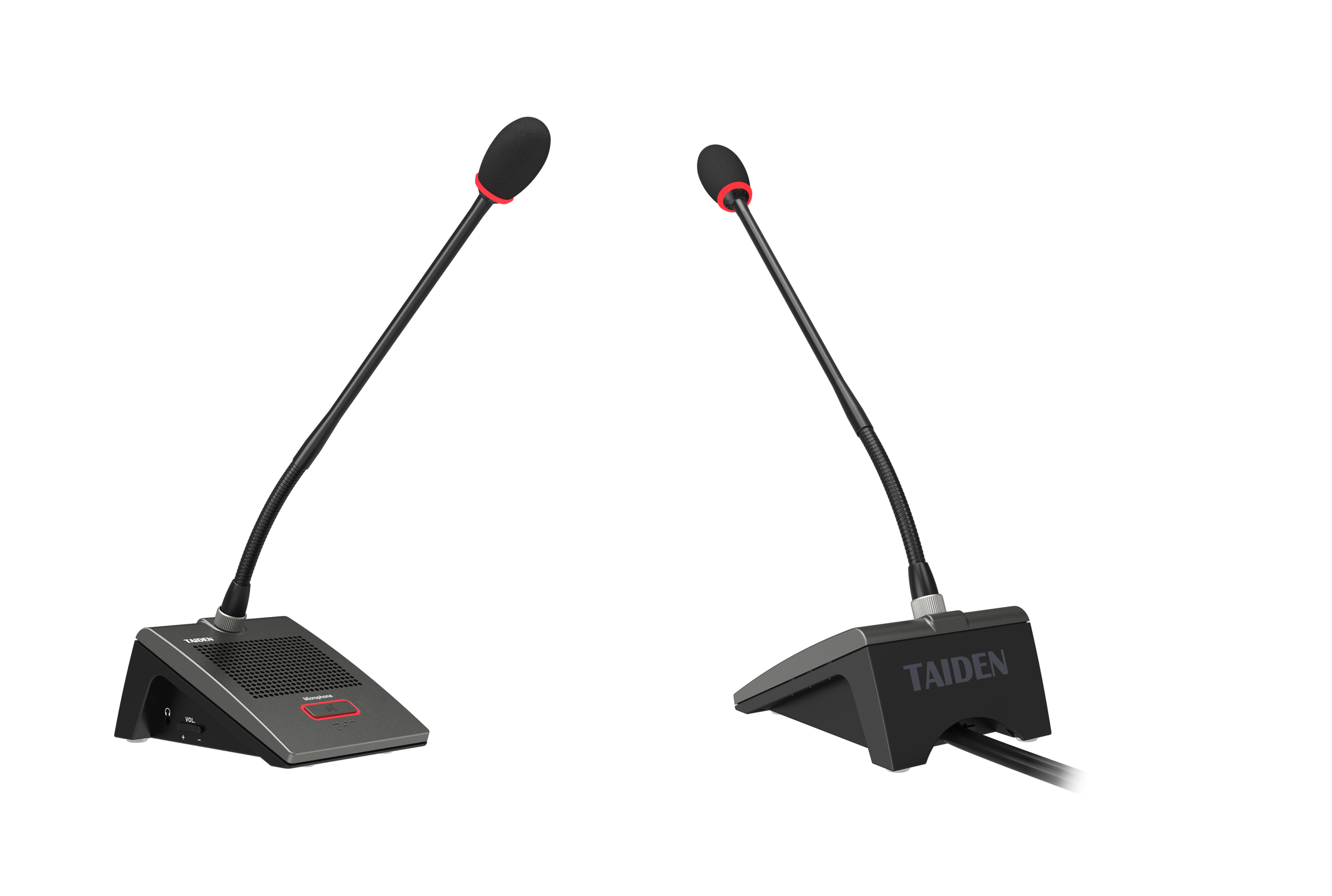
Introduction: When the Room Talks Back
A Monday meeting. The budget is tight, time is tighter, and the sound is—muddy. The conference room speaker and microphone system is on, but half the team hears a hiss and the rest hear an echo (mamma mia, not again). Industry surveys suggest that up to one-third of meetings lose minutes to audio glitches, and even small rooms can show a 20% drop in comprehension when noise builds. If the room is bright or the table is long, intelligibility falls fast. So why do we still accept “good enough” when speech is the point of the whole meeting? Are we picking gear, or building a voice that fits the space and the people in it?

Hold that thought—we will compare where the old habits crack and where smarter systems shine, without the mystery.
Under the Hood: Why Traditional Setups Struggle
What’s the real snag?
Many teams start with mix-and-match parts, then hope a quick tune will fix the room. Yet the chain is only as strong as the weakest link in its gain structure and acoustic echo cancellation. With modern digital audio products, the core jobs—beamforming, DSP presets, latency control—work together by design. In older stacks, the mic array, codec, power amplifiers, and speakers come from different lines. Each adds its own delay and noise floor. You get feedback at lower volumes, and the AEC chases its tail—funny how that works, right? Look, it’s simpler than you think: speech needs a clean path, steady levels, and a room-aware pickup. When those break, no amount of pushing faders will save you.
Hidden pain points also sit in the workflow. Who owns updates? Who checks Dante or AVB clocking? If the USB bridge drops, what happens to QoS on the network? If the mic pattern is fixed, a side talker falls out of the pickup lobe— and yes, that surprises many. The result is fatigue. People repeat themselves. Real signals mask under HVAC rumble. The meeting energy falls. In short, traditional solutions often solve parts of the puzzle, but not the handoff between them.
Comparative Insight: New Principles That Make Rooms Sound Right
What’s Next
Now, compare that to systems built on unified signal paths. The new playbook uses adaptive beamforming, room-aware DSP, and low-latency AEC that is tuned to the speaker’s directivity. The aim is simple: keep end-to-end delay under 20 ms, place gain only where needed, and manage echo at the boundary, not at the table. A networked controller handles presets per room profile—huddle, board, hybrid—so the array and loudspeaker map move with your seating. When a participant turns, the lobe follows. When the far end gets louder, adaptive noise gates ease off, not clamp down. This is where a well-integrated compact conference system helps: fewer boxes, fewer failure points, and Power over Ethernet for clean installs. The difference? Less training, more clarity. Period.
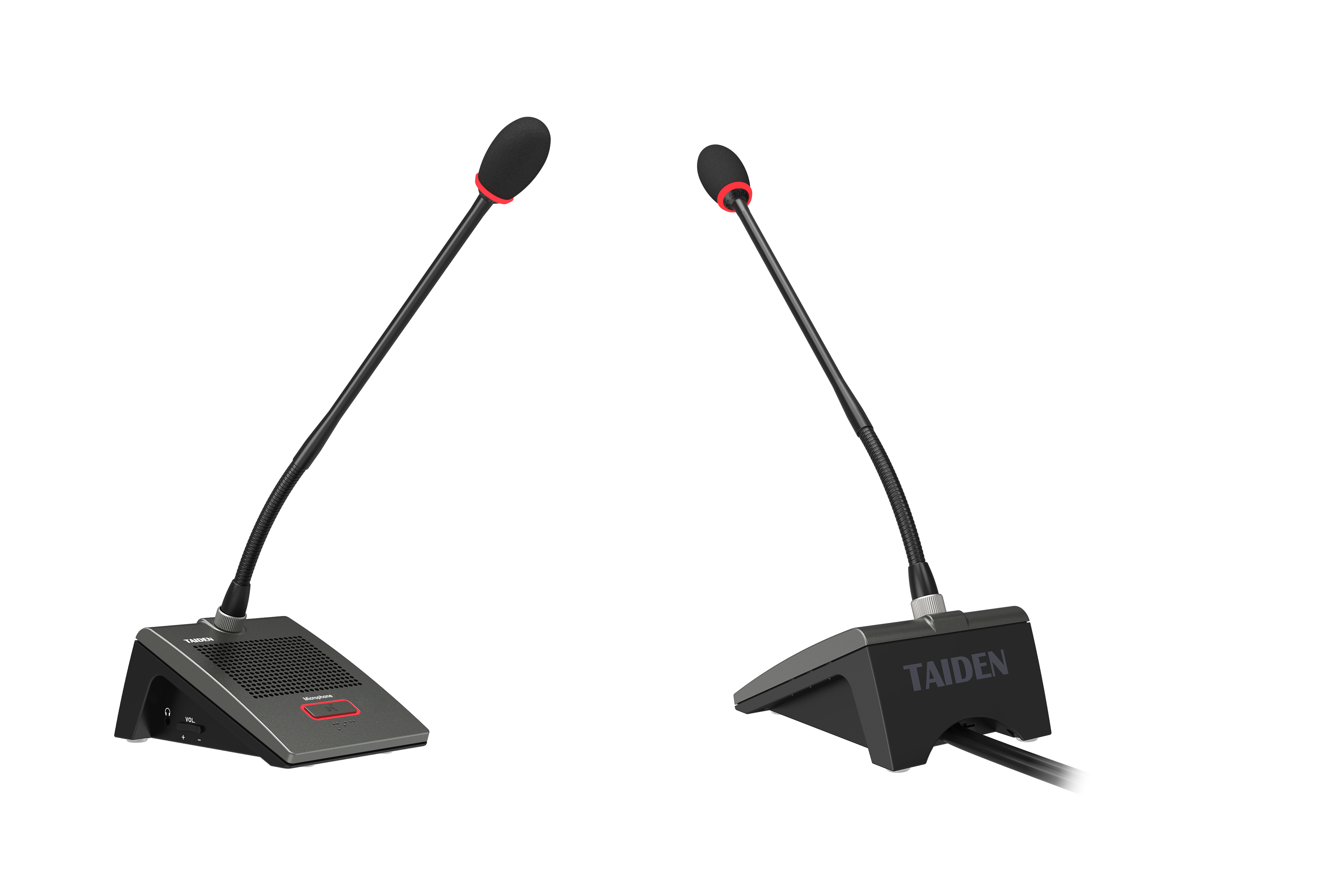
Looking ahead, expect more edge DSP at the mic, smarter calibration with quick impulse sweeps, and cloud logs that show when QoS slipped before users notice. But how should you choose? First, measure Speech Transmission Index: aim for STI ≥ 0.6 in typical use, not only during the empty-room test. Second, verify end-to-end latency under live call conditions—including codecs and switches—not just the DSP spec sheet. Third, check manageability: single-pane monitoring, update policies, and MTBF data for nodes and power converters. Small steps, big wins—because decisions ride on words. For teams that want a clear, steady path to better sound without theatrics, the modern integrated route is the safer bet, and it scales with you. Learn, compare, then choose with calm confidence. TAIDEN