The problem at the heart of “seamless”
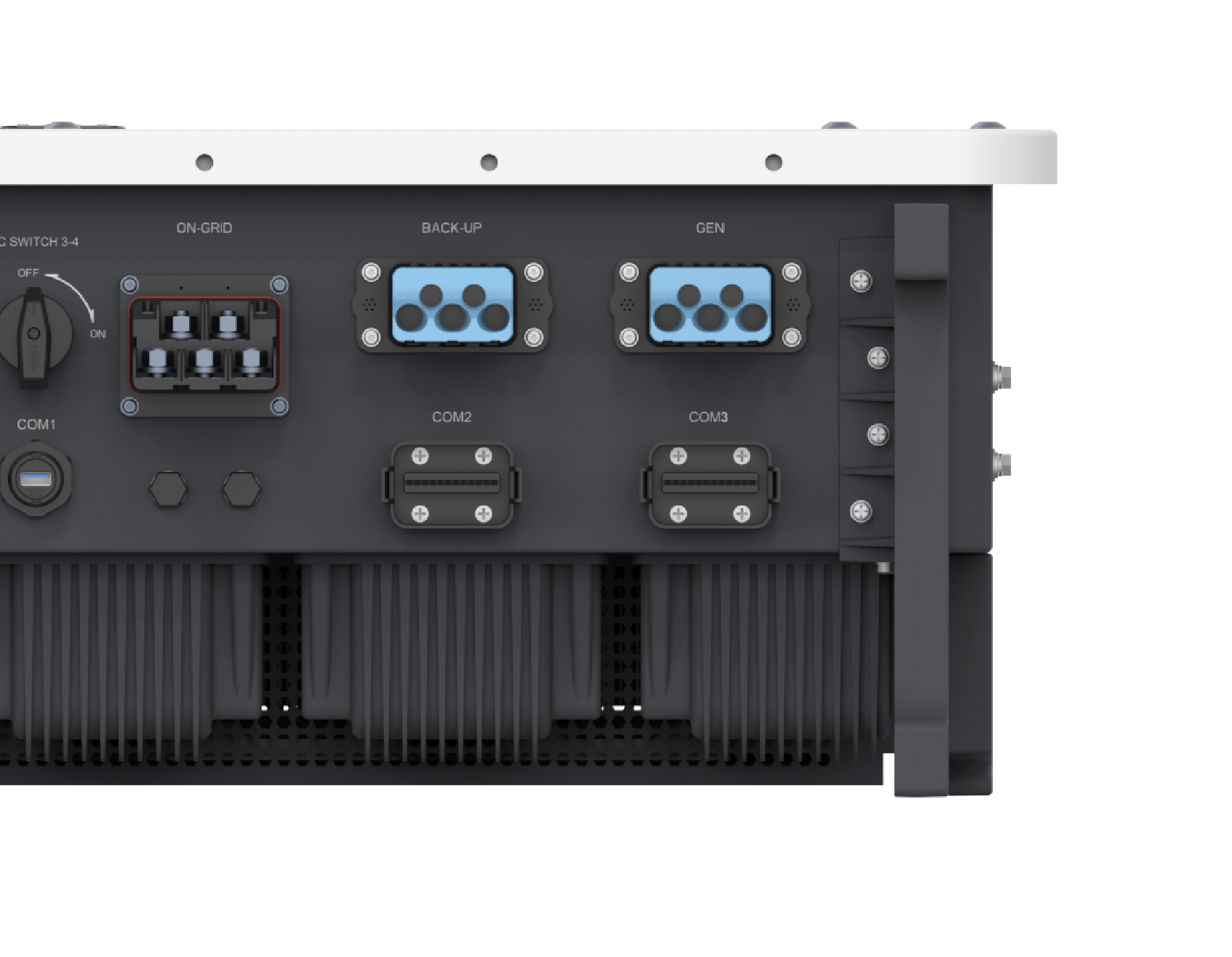
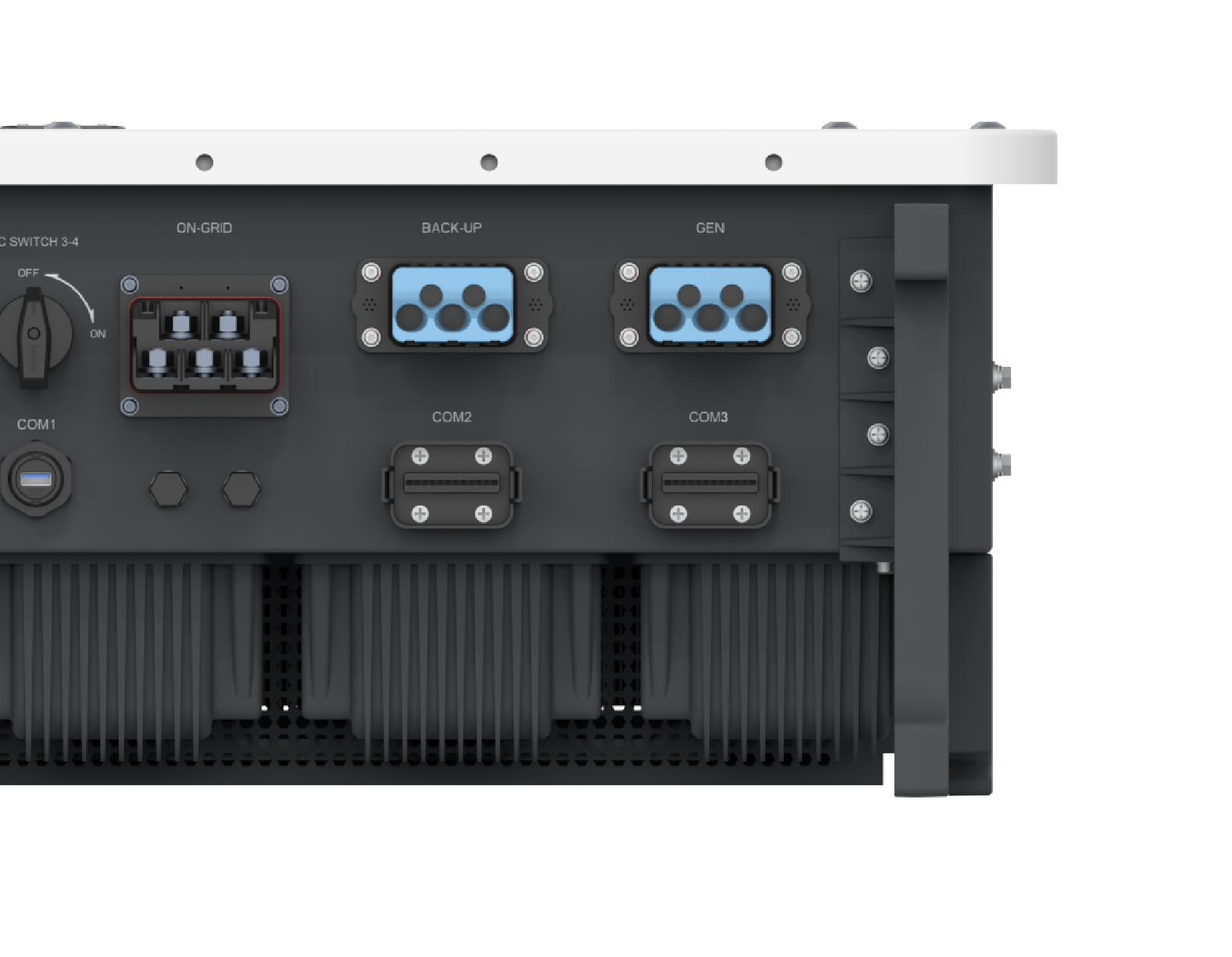
Installing rooftop PV and battery arrays often promises simplicity but delivers complexity: mismatched components, improper commissioning, and unclear expectations. That gap is where failures happen, whether the culprit is a misconfigured inverter, a PV array wired out of phase, or a battery with an immature battery management system. The most practical installations bridge those gaps with coherent design—this is why a reliable three phase hybrid inverter and a correctly specified hybrid solar inverter system are central decisions early in the process. The problem-driven approach starts by naming the hazards and then removing them, step by step.
Define project intent and constraints
Begin with clear objectives: backup power, peak-shaving, time-of-use arbitrage, or complete islanding. Map those needs against site constraints—roof orientation, shading, and local grid rules. Pull in simple metrics: targeted backup duration (hours), expected daily solar yield (kWh), and peak load (kW). These three figures guide inverter sizing, battery capacity, and whether AC coupling or DC coupling is preferable. A precise brief reduces guesswork downstream.

Step-by-step setup: practical sequence
1) Survey and model the roof and load. 2) Select PV modules and string layout that keep voltage within inverter MPPT range. 3) Choose inverter topology—grid-tied hybrid with seamless transfer if outages are a concern. 4) Size the battery to meet the intended backup hours, and ensure the battery management system communicates with the inverter. 5) Plan protections: AC breakers, DC isolators, and earth-fault detection. 6) Commission with monitoring active and baseline consumption logged. Each stage reduces the surprise factor and produces a predictable system behavior.
Common mistakes and how to avoid them
Designers often under-spec the inverter or ignore surge currents from motors and pumps. Others skip a true commissioning test—so systems “work” on paper but fail under load. Installers sometimes mix modules of different electrical characteristics in a single string, which throttles output. Another recurring failure is neglecting firmware alignment between inverter and battery—communication protocols must match. Do a final grid-interruption simulation; that clears doubt. —A short interruption like that can reveal latent flaws.
Comparing approaches: trade-offs that matter
Centralized three-phase systems simplify large installations but require careful phase balancing. Microinverters or multiple single-phase units add redundancy but complicate maintenance. AC-coupled hybrids allow retrofits with existing inverters; DC-coupled designs can be more efficient for new builds. Compare life-cycle cost, not just upfront price: inverter replacement cycles, battery degradation, and warranty terms drive real cost per kWh over time.
Real-world anchor: lessons from outages
The Texas February 2021 blackout exposed how grid-dependent homes can be at risk during extreme events. Systems designed only for daily arbitrage often lack the transfer logic and surge capacity that true backup requires. Planners in that period began to value robust transfer switches, higher continuous discharge rates, and clarified interconnection agreements. Those adaptations are now standard practice in resilient design.
Commissioning checklist
Run through a short, disciplined checklist: verify PV open-circuit voltage; confirm inverter firmware and battery BMS handshake; test islanding and reconnection under load; validate monitoring telemetry. Document thresholds for over/under-voltage and temperature derating. Clear records prevent warranty disputes and speed troubleshooting.
Advisory: three golden rules for choosing systems
1) Match continuous and surge capacity to real load measurements—not estimates. 2) Insist on tested communication between inverter and battery; protocol mismatches are the quiet saboteurs. 3) Favor modular architectures that let you scale without wholesale replacement. These rules translate into measurable outcomes: fewer callbacks, longer uptime, and predictable return on investment.
Systems that behave predictably under stress are not accidental; they are deliberately composed. SOLINTEG understands how inverter topology, battery chemistry, and commissioning practice come together to deliver that predictability—so planning becomes performance, not hope. —A final thought: design with the day-after in mind.