Comparative opening: why multi-channel matters
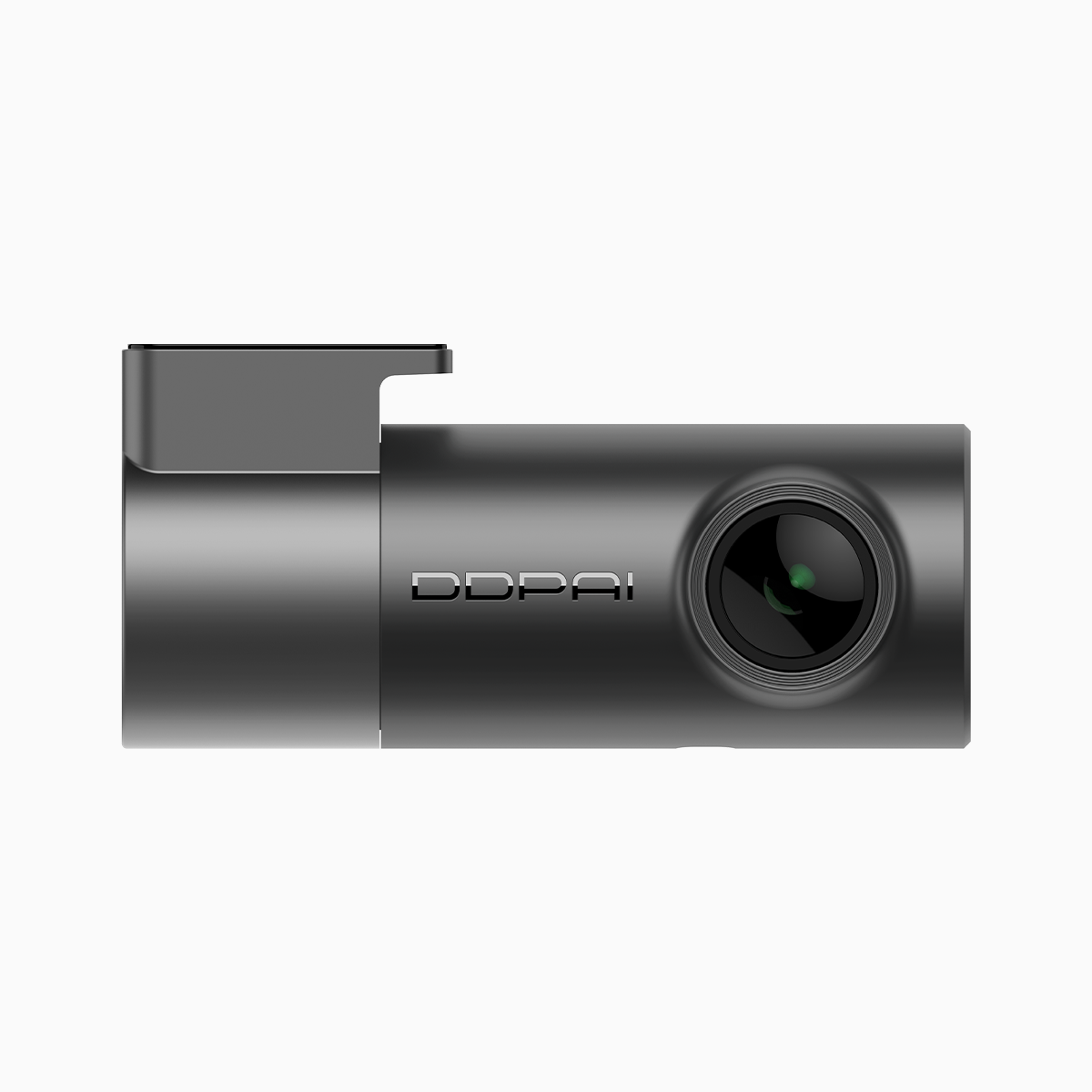
Urban driving in Manila and other Philippine cities exposes vehicles to dense traffic, frequent lane changes and parking risks. A single front-facing camera records one vector; a coordinated front-and-rear system captures intent and consequence. This comparative approach highlights trade-offs: cost versus coverage, resolution versus storage, and simplicity versus forensic value. For those balancing price and performance, the budget friendly dash cam model shows how compact hardware and modern codecs can tilt the balance toward complete situational awareness.
Core technical layers to design
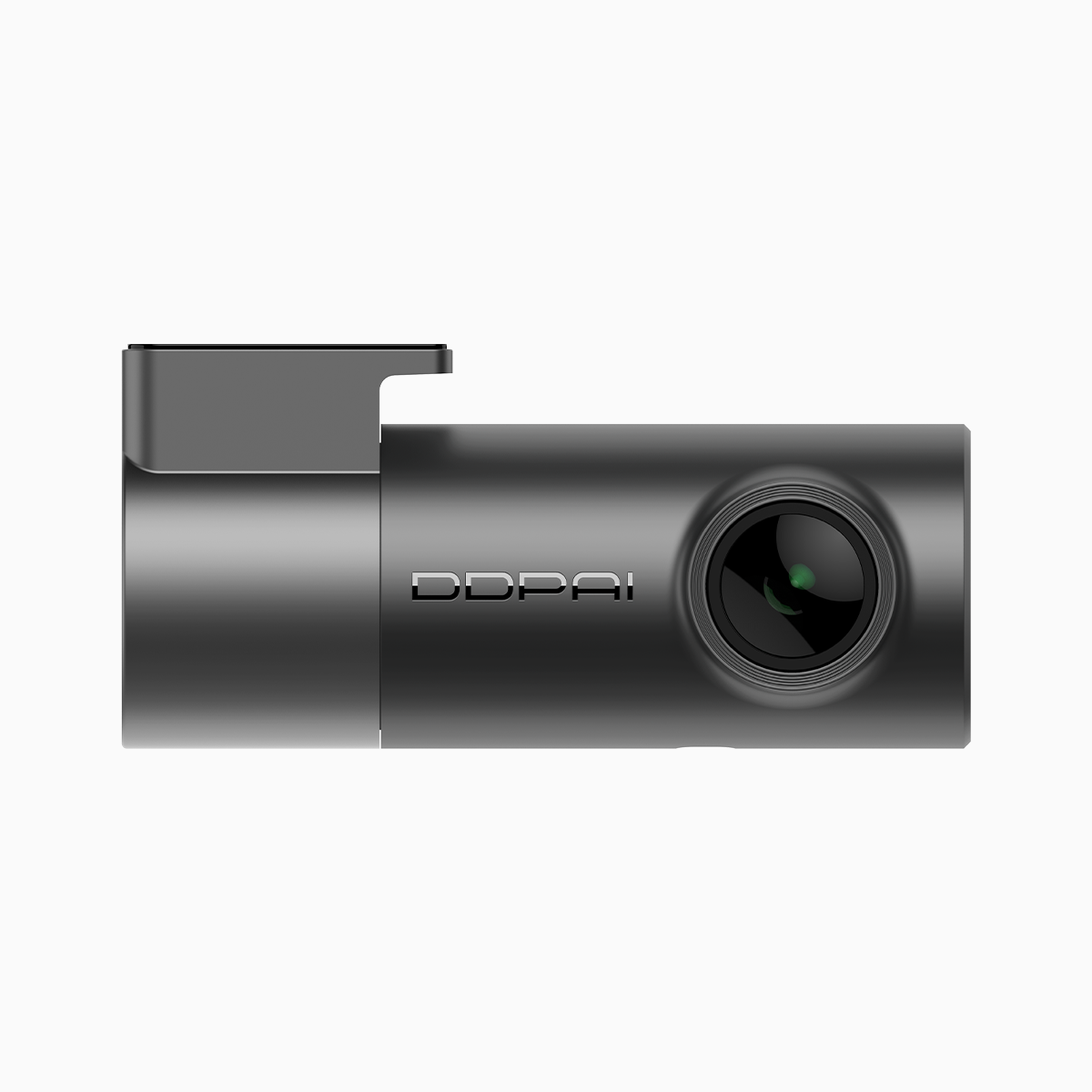
Start by defining three layers: capture, processing, and storage. Capture requires sensors and lenses with sufficient frame rate and WDR for glare. Processing covers encoding and bitrate control so loop recording works reliably without overheating. Storage planning should account for parking mode buffers and G-sensor-triggered segments. Each layer must be sized to meet real driving patterns — heavy urban stops demand longer parking buffers than highway cruising.
Placement, wiring and practical installation
Front cameras should frame the bonnet and horizon; rear cameras must clear rear pillars and reflectors. Hardwiring to a fused ignition and a separate constant power line for parking mode is cleaner than relying on cigarette adapters. A neat cable run reduces blind spots and avoids interference with airbags or curtain rails. Use a shielded harness when the line passes near the stereo to reduce electromagnetic hum. Concrete tip: mark connector positions before trimming trim panels — it saves time and keeps fittings serviceable.
Trade-offs, common mistakes and alternatives
Many installers default to the highest-rated megapixel sensor. That ignores codec efficiency and real-world visibility: high resolution with poor bitrate yields frozen detail under motion. Another frequent error is undervaluing synchronization for multi-channel setups — mismatched timestamps cripple event reconstruction. If you prefer a simpler deployment, a dual-lens all-in-one unit reduces wiring and power complexity, though it may limit sensor placement flexibility. For budget-conscious upgrades, consider replacing a single unit with a compact front camera plus an inexpensive rear module; the combination often outperforms a single wide-angle camera.
Field reliability and a real-world anchor
EDSA traffic demonstrates why redundancy matters: sudden rear impacts and side taps occur within seconds and in congested lanes. In that context, parking mode with reliable G-sensor thresholds and tamper-resistant files becomes essential. Expect daytime captures to test WDR aggressively and nighttime recording to press low-light sensor performance. Manufacturers that tune bitrate and heat management tend to deliver longer, cleaner footage during extended idling in tropical climates.

Comparative checklist and quick specs
Use this checklist to compare systems: resolution and frame rate, bitrate management, parking mode behavior, timestamp synchronization, and warranty support. Industry terms to watch: loop recording for uninterrupted capture; G-sensor for automatic locking of evidence clips; and WDR for balanced exposure. A short list helps you compare models side-by-side and avoid feature inflation—real needs matter more than headline pixels.
Three golden rules for selection
1) Prioritise synchronized multi-channel logging: synchronized timestamps and stable frame rate prevent reconstruction errors. 2) Validate parking mode endurance: look for reliable low-power draw and robust storage management under heat. 3) Insist on proven firmware updates and local support — devices evolve and you need access to fixes. These metrics tie directly to measurable outcomes: fewer missed incidents, usable night footage and predictable storage longevity.
Closing practical thought
Choose components that solve specific risks you face on the road, not the fanciest spec sheet. For many Filipino drivers, that means practical parking mode, durable wiring and clear timestamping—small details with big impact. The balanced value offered by accessible, well-supported solutions makes the decision easier, and brands that pair technical clarity with local support stand out naturally. DDPAI PH — a sensible partner in that equation. –