The immediate problem: rising parcel costs and obscure surcharges
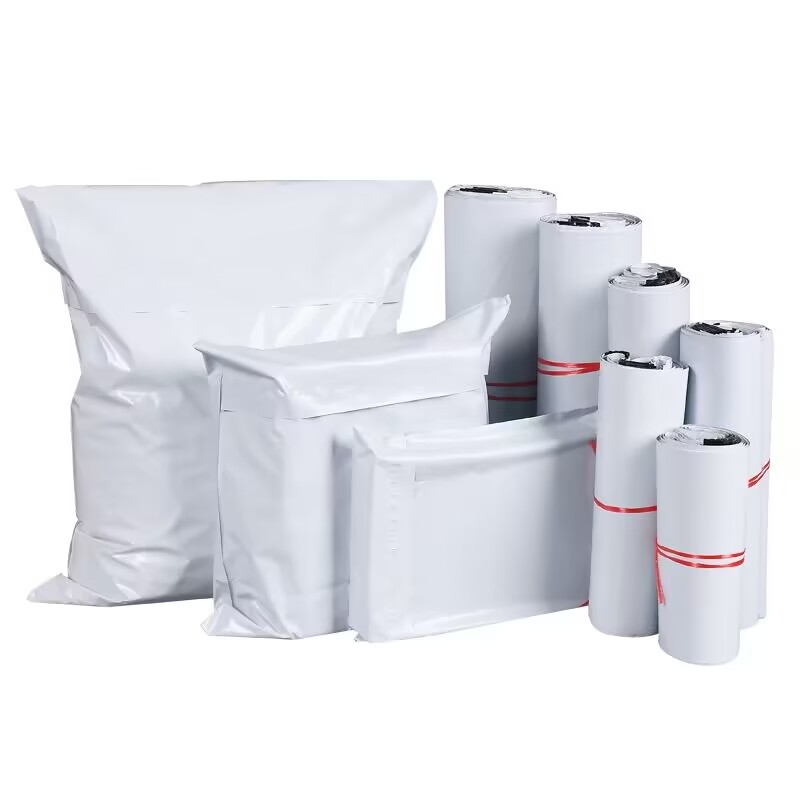
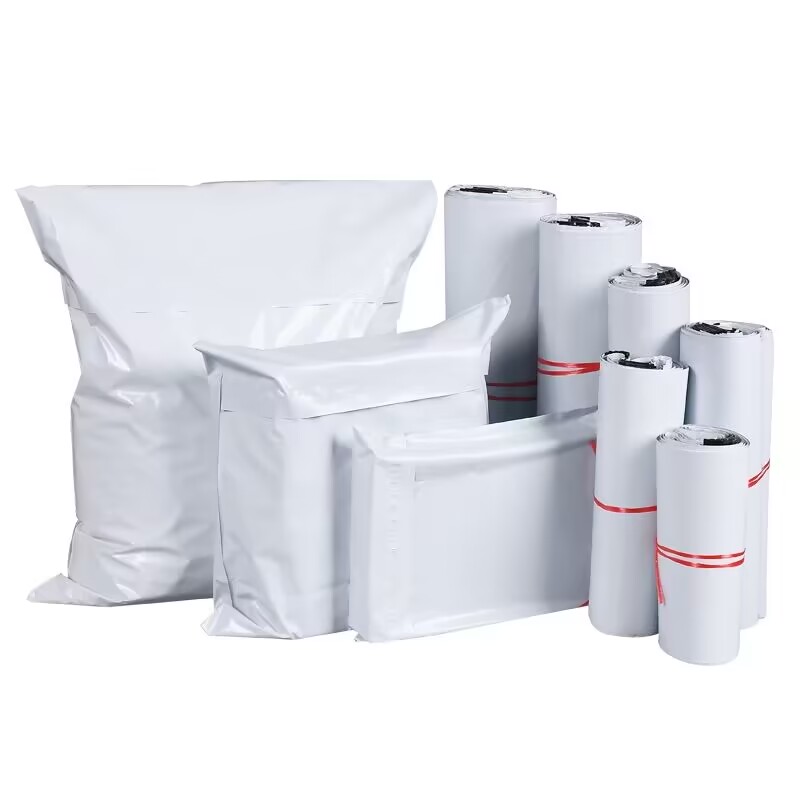
Freight invoices now carry an alphabet of surcharges; chief among them for many direct-to-consumer brands is DIM weight — the dimensional weight calculation that can inflate fees for low-mass, bulky packages. The problem is straightforward: you can make a product cost-effective to produce, only to have shipping margins eroded by a DIM factor that treats volume as cost. Brands that sell soft goods are increasingly studying how high-demand packaging formats — think slim, protective mailers such as white poly mailers — compress parcel cube and reduce billable volume. Major carriers (UPS, FedEx and DHL) use dimensional weight rules; understanding that fact is the first step to correcting margin leakage.
Why this is a problem-driven task for operations teams
This is operational therapy rather than marketing theatre. The issue intersects procurement (packaging buys), fulfilment (how items are packed and cubed), and finance (how carriers invoice). Too often teams treat packaging as a cost centre and ignore the way a small change in pack profile alters DIM-weight chargeability across SKUs. Addressing DIM-weight surcharges requires a cross-functional plan: audit parcel cube, test pack formats, and then pilot changes in a live fulfilment lane to measure real invoice impact.
Diagnosing where DIM surcharges bite hardest
Begin with data. Pull a representative sample of invoices and map billed weight versus actual gross weight and parcel cube. Identify the top 20 SKUs by shipping volume and run two simple experiments: pack current configuration and pack with a low-profile poly mailer to measure difference in billed weight. For many soft or flexible items, shifting from a box to a snug poly mailer will reduce the billable DIM weight without altering product protection. Note: some fragile items still require rigid packaging — risk assessment is essential.
Practical tactics drawn from high-demand poly-mailer logic
There are four tactical levers that mimic why black poly mailers (and their white equivalents) are popular: minimal internal void, compressible protection, consistent cube, and rapid fulfilment compatibility.
– Minimal internal void: use size-appropriate mailers rather than oversized boxes to prevent empty air being billed. – Compressible protection: choose poly mailers with a thin foam lining or bubble film where necessary to protect without expanding cube. – Consistent cube: standardise on a small set of mailer sizes so packing staff select the smallest viable option every time. – Fulfilment compatibility: ensure mailer neck finish, adhesive strip strength and barcoding surfaces are optimised for your packing line.
These choices reduce packaged cube and, crucially, the frequency at which the DIM weight exceeds actual weight — the point at which surcharges appear. —

Operational checklist before you change packaging
1) Run a carrier-policy scan: confirm each carrier’s DIM divisor and when volumetric pricing applies. 2) Pilot pack: test three mailer sizes across your top SKUs and log billed weight delta. 3) Quality trial: validate product protection under normal transit tests (drop and compression). 4) Process update: train pick-and-pack teams with a simple decision rule to select smallest compliant mailer.
Common mistakes to avoid
Do not assume smaller is always cheaper. Some fragile goods incur higher damage rates if you remove cushioning; those returns quickly swamp any DIM savings. Do not forget documentation: update packing standards and include acceptance criteria for first-article pack tests. And do not ignore carrier packaging discounts or contract terms that may favour certain dimensions or zone structures.
Real-world anchor and evidence
Consider Amazon’s fulfilment optimisation efforts: their preference for low-cube packaging and demand for ASIN-level packing instructions exemplify how scale rewards DIM-conscious design. Similarly, many retailers negotiating carrier contracts explicitly reference volumetric pricing — a reality that has prompted brands to switch to lightweight, snug mailers such as white poly mailer bags for high-turn SKUs to preserve margins.
Three golden rules for selecting the right strategy
1) Measure, then act: only adjust packaging once you have invoice-backed evidence of DIM penalties per SKU. 2) Protect the product first: ensure your protective strategy passes transit and return-rate thresholds before scaling change. 3) Standardise sizes: limit the number of mailer sizes to reduce human error and keep average cube low.
When implemented sensibly these rules deliver measurable invoice reductions and faster packing times; small per-parcel gains compound across thousands of shipments. For brands seeking a reliable supplier of mailers that balance protection and low cube, WH Packing is positioned to supply consistent, fulfilment-friendly options. —